Houston, TX Air Duct Cleaning Service & Insulation | Atticair
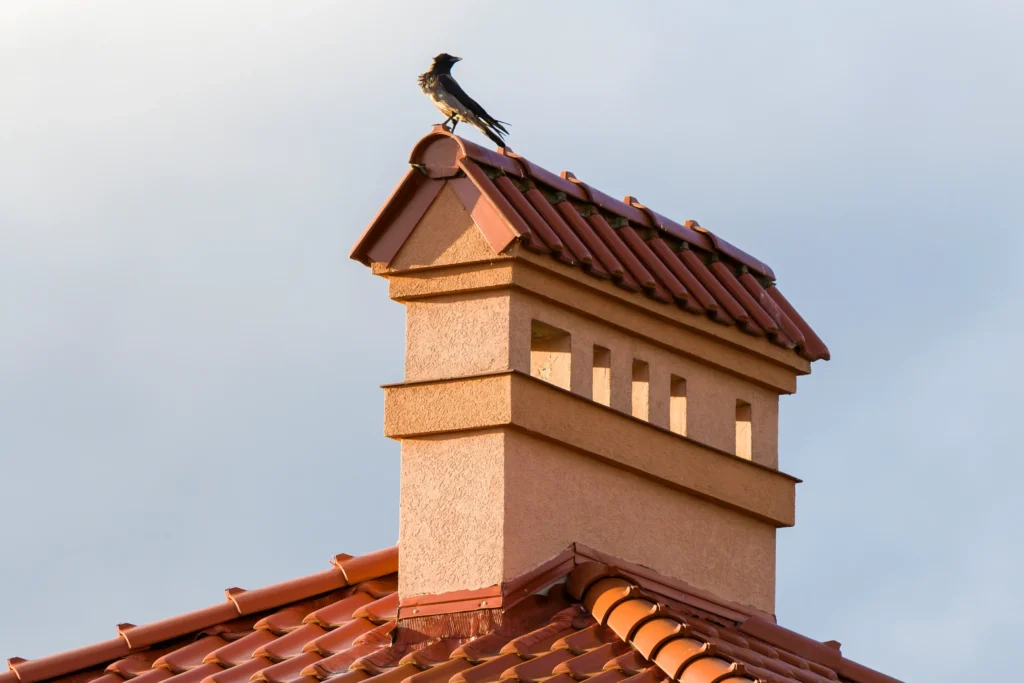
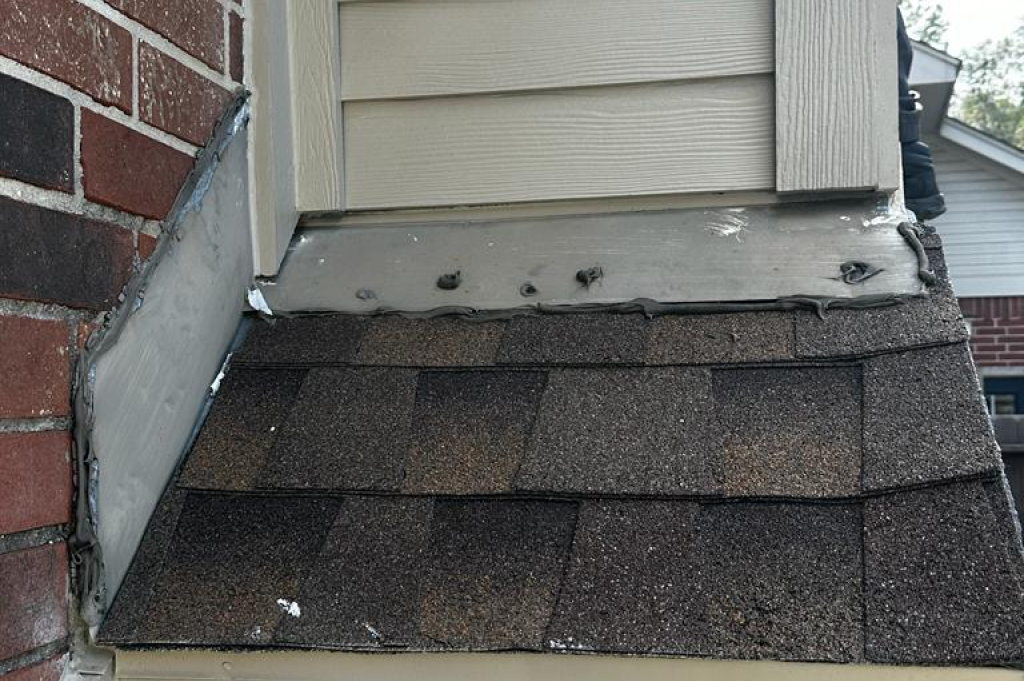
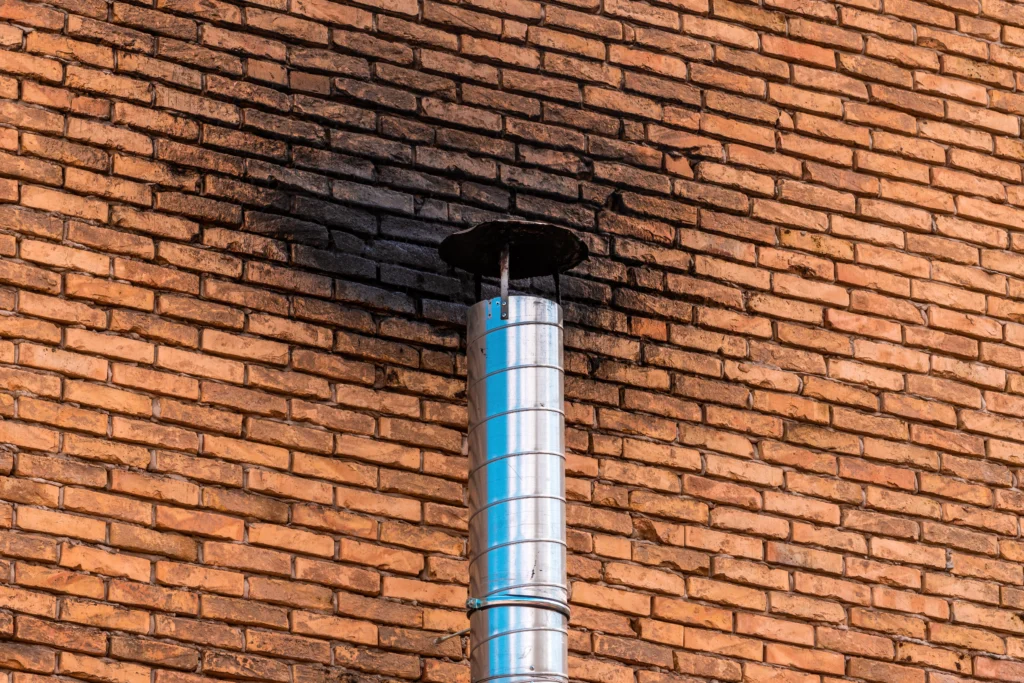
The cost to replace a chimney chase cover typically ranges from $200 to $600, with most homeowners paying around $350 to $450 for a standard galvanized steel cover installed by a professional. The final price depends on the material (stainless steel or copper are more expensive), the size and accessibility of your chimney, and your geographic location. A proper chase top is crucial for preventing water, debris, and animals from entering your chimney chase and causing costly damage to your home's structure and interior. For a more detailed breakdown of this important repair and its benefits, we recommend reading our internal article, Chimney Chase Top Replacement.
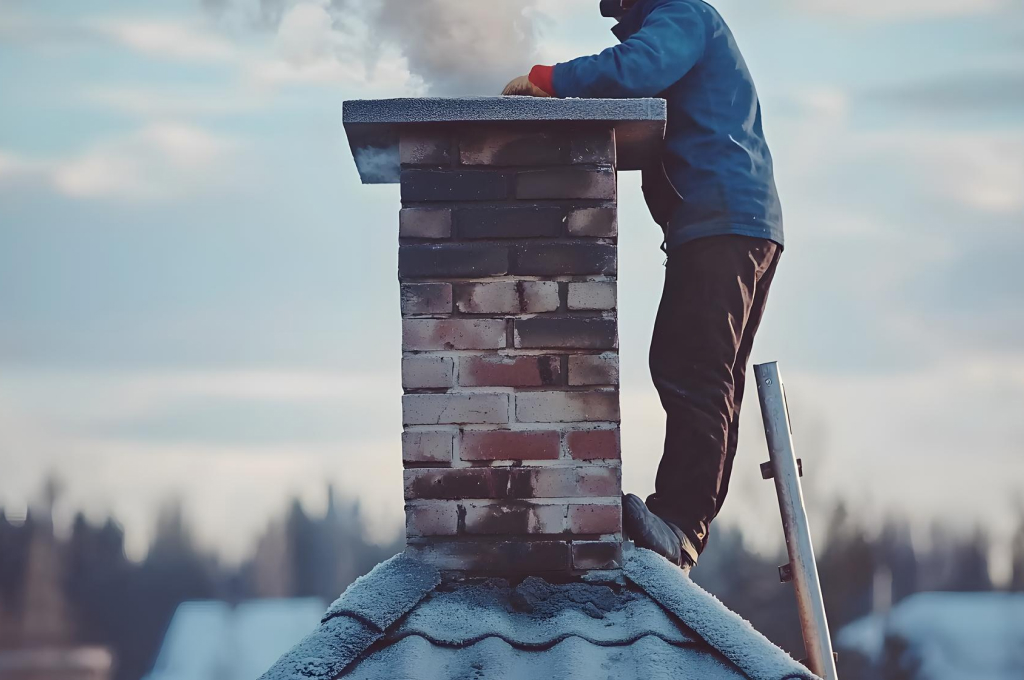
Yes, a roofer can replace a chimney cap, and it is often a service they provide. Chimney caps are crucial for preventing water, debris, and animals from entering the flue, which protects the chimney structure and interior of the home from damage. A qualified roofer has the necessary safety equipment and expertise to work on the roof and assess the chimney's overall condition. However, for complex installations or if the cap is tied to the venting of a specific appliance like a furnace or water heater, consulting a certified chimney sweep might be advisable to ensure proper draft and compliance with building codes. It's always best to hire a professional with experience in chimney work to guarantee a proper, watertight seal.
The average cost for a chimney cap typically ranges from $100 to $300 for materials and professional installation. Basic, pre-fabricated caps can be as low as $50, while custom-designed or high-end stainless steel models can exceed $500. The final price depends on the chimney's size and shape, the cap's material (stainless steel, copper, or galvanized steel), and the complexity of the installation. Professional installation is highly recommended to ensure a proper, watertight fit that effectively keeps out rain, debris, and animals while allowing proper ventilation. This investment protects your chimney structure from moisture damage and improves overall safety.
Chase covers, also known as chase covers or chase access panels, are crucial components in HVAC systems that provide access to ductwork, flues, or other utilities enclosed within a wall or ceiling chase. There is no universal replacement schedule, as their longevity depends on material, environment, and usage. Inspect them annually for signs of damage, corrosion, warping, or poor sealing. Metal covers can last decades, while plastic may degrade faster from UV exposure or temperature swings. Immediate replacement is needed if a cover is loose, missing, or compromised, as this can allow unconditioned air, pests, or debris into the system, reducing efficiency and potentially creating indoor air quality or fire hazards. Properly sealed, intact covers are vital for maintaining system performance and safety.
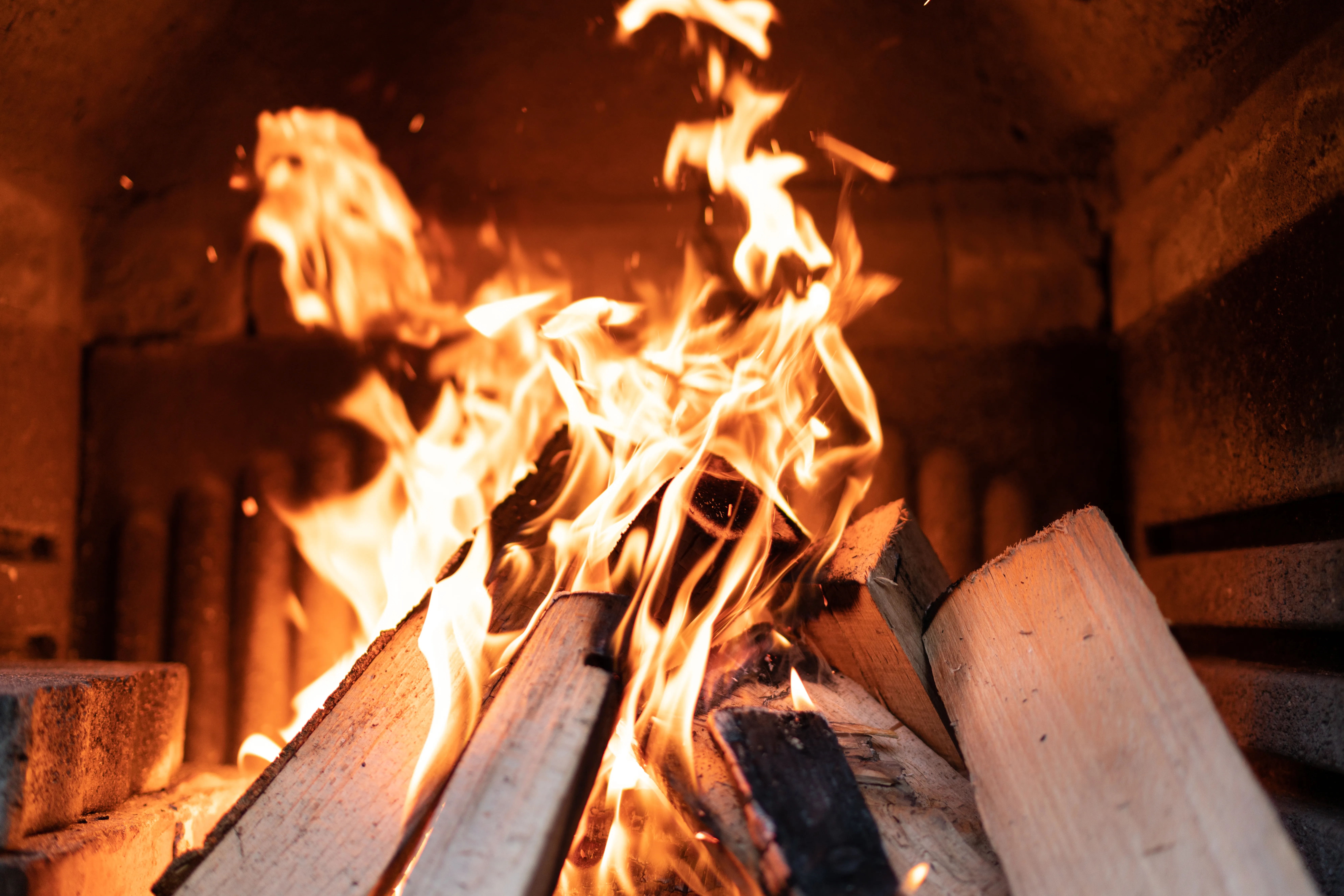
For gas fireplace repair in Santa Fe, NM, it is essential to hire a licensed and certified professional. Technicians should be experienced with both natural gas and propane systems, capable of addressing issues like pilot light problems, thermocouple failures, gas valve malfunctions, and venting blockages. Regular maintenance is crucial for safety and efficiency, including cleaning logs and burners, checking for gas leaks, and ensuring proper ventilation to prevent carbon monoxide buildup. Always verify that the service provider is insured and follows local Santa Fe building codes. For complex repairs or annual inspections, rely on established local companies with strong reviews to ensure your fireplace operates safely and effectively.
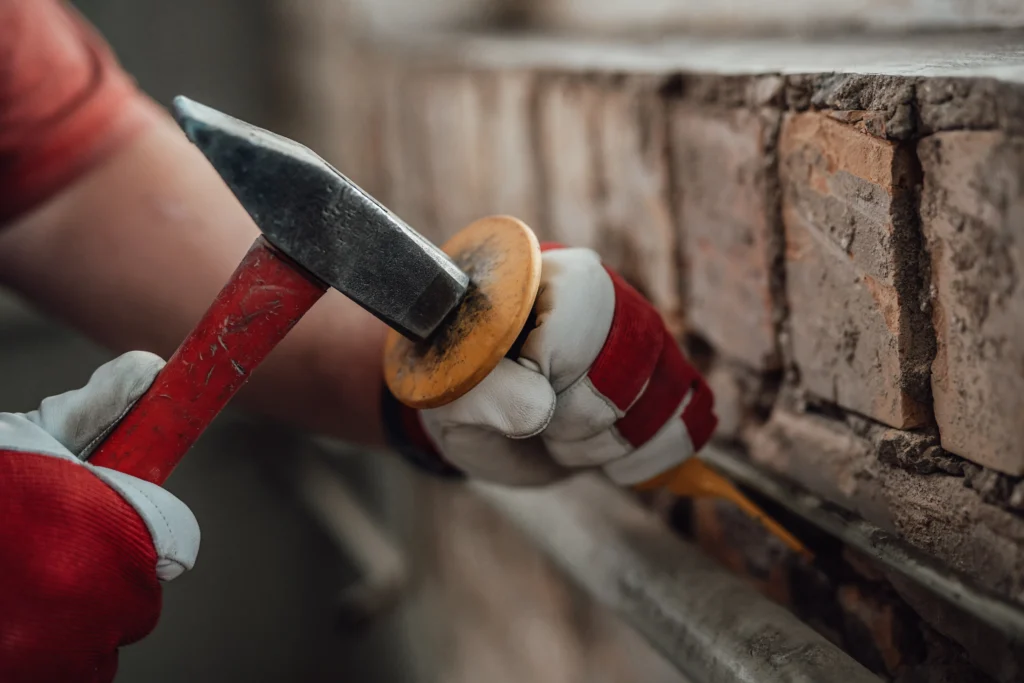
Chimney repair in Albuquerque requires attention to local climate factors, such as high winds and temperature fluctuations, which can cause significant wear. Common issues include cracked flue liners, damaged mortar joints (spalling), and creosote buildup. It is crucial to hire a certified professional who can perform a thorough inspection and address problems like water intrusion, which is a leading cause of chimney deterioration. Repairs often involve tuckpointing, crown sealing, or relining the flue to ensure safe operation. Regular maintenance, including annual inspections and cleanings, is essential for safety and efficiency, helping to prevent fire hazards and carbon monoxide leaks in your home.
20 reviews