Houston, TX Air Duct Cleaning Service & Insulation | Atticair
The cost to repair a chimney damper typically ranges from $150 to $400, though complex repairs can exceed $500. The final price depends on the damper type (throat, top-sealing, or traditional), the extent of damage, and labor rates in your area. A simple adjustment or lubrication might be at the lower end, while replacing a damaged damper assembly or repairing the surrounding masonry will increase costs. It is crucial to have a professional chimney inspection first, as a faulty damper can lead to significant energy loss, moisture intrusion, and safety hazards. Always obtain a detailed written estimate from a certified technician before proceeding with repairs.
Using a fireplace with a broken damper is not safe and is strongly discouraged. The damper is a critical safety component that controls airflow and prevents smoke, dangerous gases like carbon monoxide, and embers from entering your home. A broken damper that is stuck open can cause significant heat loss and allow cold drafts, while one stuck closed will force smoke and toxic fumes back into your living space. This poses serious health and fire hazards. You should immediately discontinue use and contact a certified chimney professional to inspect and repair the damper before considering any further fireplace operation.
The liability for chimney repairs on a party wall typically depends on the property's legal status and the specific defect. In a freehold terraced or semi-detached house, the party wall is usually a shared structure. Therefore, the cost of repairs to a chimney that is part of that wall is generally shared between the two property owners. This is often governed by the Party Wall etc. Act 1996 in the UK, which outlines responsibilities. For leasehold properties, the lease agreement usually specifies repair obligations, often making the freeholder or management company responsible. It is crucial to communicate with the adjoining owner and, if necessary, seek a Party Wall Award from appointed surveyors to formally agree on the work and cost apportionment, preventing disputes.
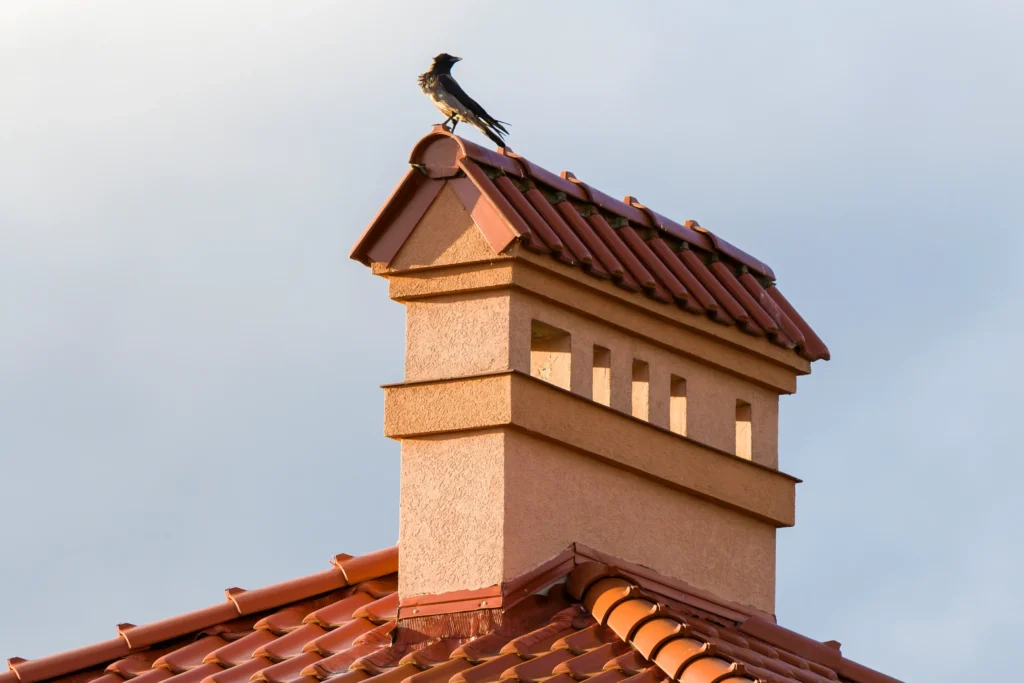
The 3-2-10 rule is a fundamental safety guideline for chimney and fireplace construction and maintenance. It states that a chimney must extend at least 3 feet above the point where it exits the roof. Furthermore, it must be at least 2 feet higher than any part of the building structure (like a roof peak, dormer, or adjacent tree) within a 10-foot horizontal radius. This rule ensures proper draft by allowing wind to flow over the chimney without creating downdrafts, which can push smoke and dangerous gases like carbon monoxide back into the home. Adherence to this standard is critical for safe, efficient fireplace operation and is a key part of professional chimney inspections.
Chimney damper repair in spring is a wise maintenance step to ensure your fireplace system is ready for the off-season and the following winter. A properly functioning damper is crucial for energy efficiency, as a faulty one can let conditioned air escape and allow moisture, pests, and debris into your home. The process typically involves a professional inspection to diagnose issues like rust, warping, or a broken mechanism, followed by repair or replacement of the damper assembly. Scheduling this service in spring is advantageous, as HVAC and chimney specialists often have more availability. To find a reputable service near you, check for certified, insured technicians with positive reviews who can provide a clear assessment and estimate.
20 reviews