Houston, TX Air Duct Cleaning Service & Insulation | Atticair
The cost to repair a chimney damper typically ranges from $150 to $500, with an average around $250. This depends heavily on the type of damper and the extent of the problem. Simple repairs, like adjusting a top-sealing damper or tightening components, are on the lower end. Full replacement of a damaged traditional throat damper or significant corrosion repair will cost more. Labor is a major factor, as accessing and working on a damper can be complex. It is crucial to have a professional chimney inspection first to diagnose the exact issue, as a malfunctioning damper can lead to significant energy loss, moisture problems, and safety hazards. Always get a detailed written estimate.
Chimney repair coverage under homeowners insurance depends on the cause of damage. Standard policies typically cover sudden, accidental damage from perils like a lightning strike, fire, or a falling tree. However, insurance is not designed for routine maintenance or wear and tear. Damage resulting from neglect, lack of maintenance, or gradual deterioration (such as crumbling mortar from age) is almost always excluded. If a covered event, like a severe storm, damages a well-maintained chimney, the repair costs for the resulting damage should be covered, minus your deductible. Always review your specific policy details and contact your insurance agent to confirm your coverage before filing a claim.
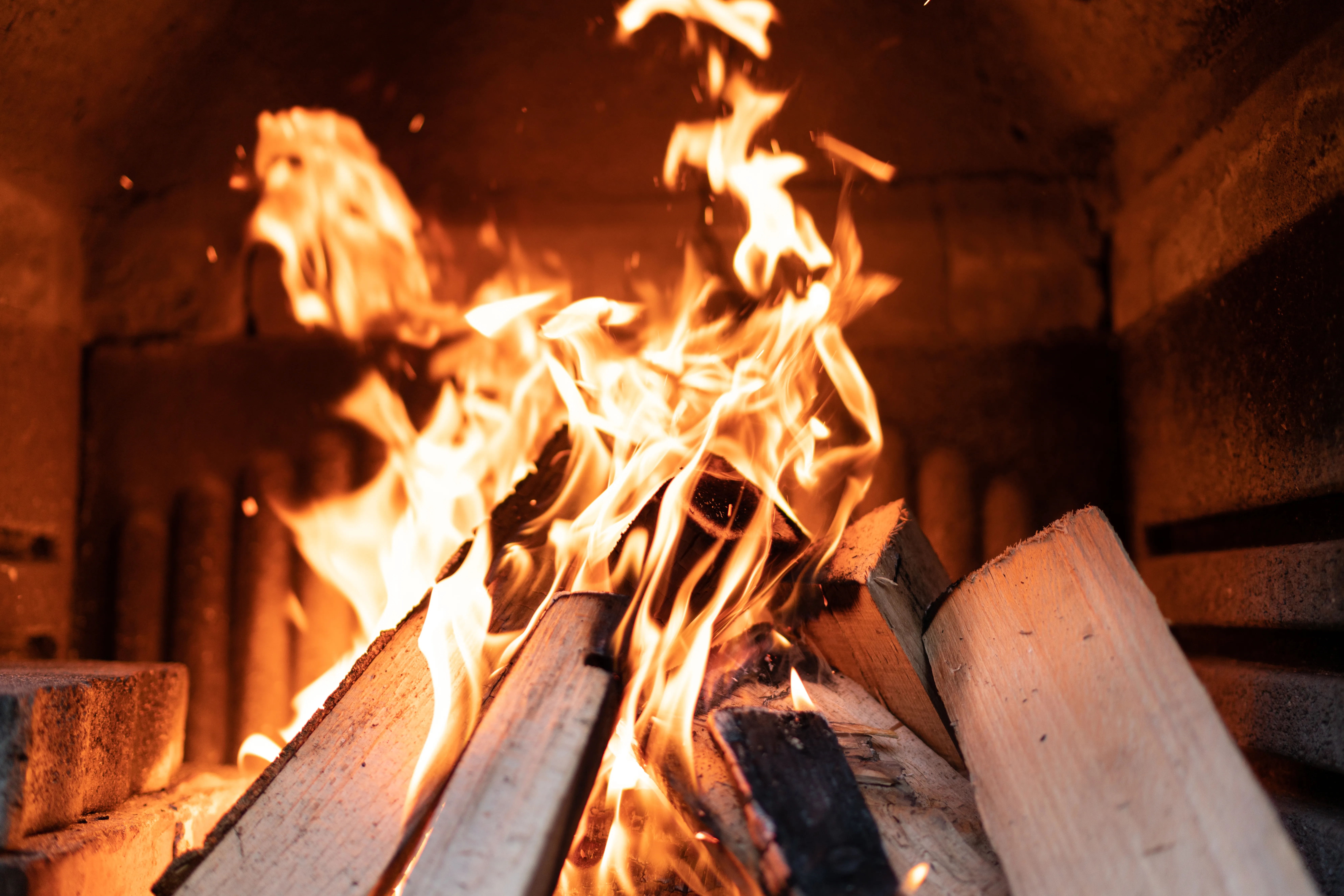
Using a fireplace with a broken damper is not safe and is strongly discouraged. The damper is a critical safety component that controls airflow and prevents smoke, dangerous gases like carbon monoxide, and embers from entering your home. A broken damper that is stuck open can cause significant heat loss up the chimney, making your fireplace inefficient and potentially leading to a dangerous downdraft that blows smoke and fumes into your living space. Conversely, a damper stuck in a closed or partially closed position can cause smoke to back up into the home, creating a severe health and fire hazard. For safety, have a certified chimney professional inspect and repair the damper before any use.
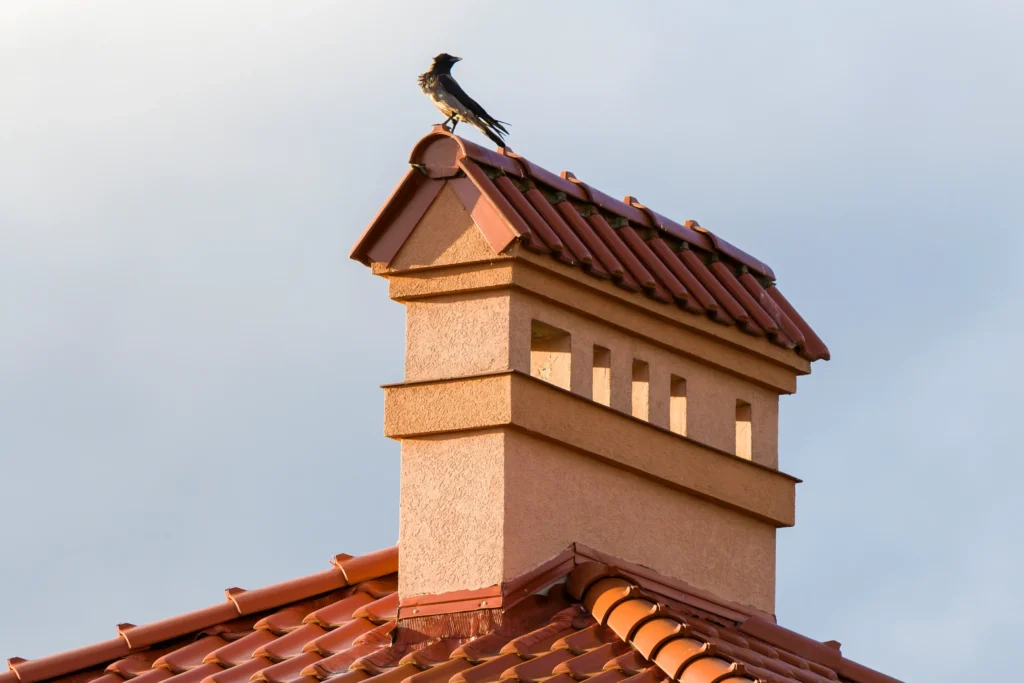
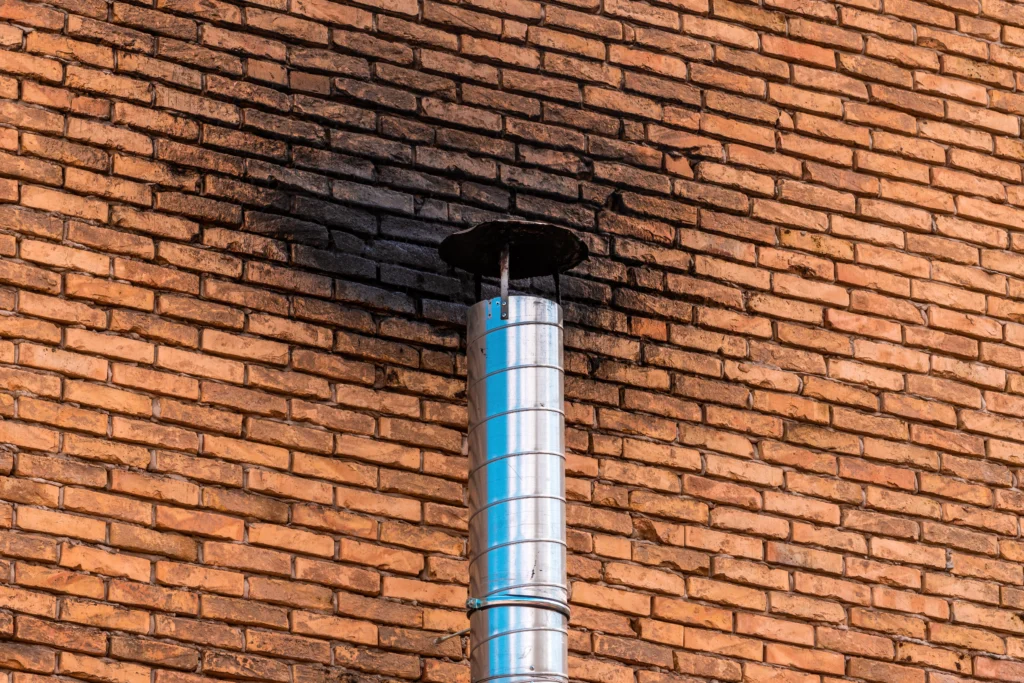
The 3-2-10 rule is a fundamental safety guideline for chimney and fireplace construction and maintenance. It states that the chimney must extend at least 3 feet above the roof penetration point on the shortest side, and be at least 2 feet higher than any part of the building structure (like a roof peak or dormer) within a 10-foot horizontal radius. This rule ensures proper draft by allowing wind to flow over the chimney without creating downdrafts, which can push smoke and dangerous gases like carbon monoxide back into the home. Adherence to this standard, part of building codes like the International Residential Code (IRC), is critical for safe and efficient fireplace operation and helps prevent fire hazards.
For chimney damper repair in Second Ward, it is crucial to hire a certified professional. A properly functioning damper is essential for safety and energy efficiency, as it seals the flue when the fireplace is not in use to prevent conditioned air from escaping and outdoor elements from entering. Repairs may involve addressing rust, misalignment, or seal deterioration. A qualified technician will assess the damper type—throat or top-sealing—and recommend repair or replacement based on the damage extent. Always ensure the company is licensed and insured, and check for local reviews. Regular chimney inspections can help identify damper issues early, preventing more costly repairs and maintaining optimal fireplace performance.
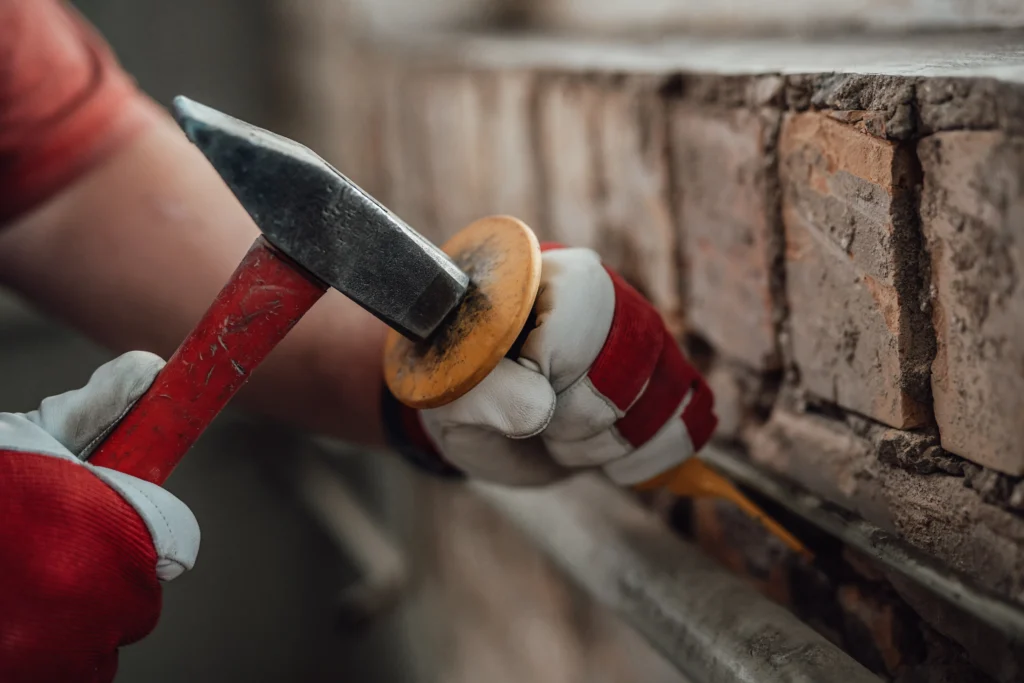
Chimney damper repair in Houston's Second Ward involves addressing issues like rust, warping, or misalignment that prevent proper sealing. A professional service will inspect the damper mechanism, often a throat or top-sealing type, to determine if repair or replacement is needed. Proper function is critical for energy efficiency, as a faulty damper allows conditioned air to escape and outdoor air to infiltrate. In historic areas like Second Ward, technicians must be mindful of older chimney constructions. The repair process typically includes cleaning soot and debris, adjusting or lubricating components, and ensuring a tight seal when closed. Always hire a certified professional to ensure safe and compliant repairs, as improper damper operation can pose fire and ventilation hazards.
20 reviews