
Let’s be honest, we don’t think about our home’s lungs until they start wheezing. You know what we mean—that random dust bunny convention on the furniture two days after cleaning, the strange musty smell when the AC kicks on, or that one room that just never seems to get comfortable. We’ve all been there, staring at the vent and wondering, “Is it supposed to sound like that?”
Well, friends, it’s probably not. And more often than not, the hidden systems in our attics and walls—the ductwork, the insulation, the vents—are the silent culprits. So, grab a drink, get comfortable, and let’s have a real talk about the stuff we can’t see but absolutely feel every single day.
The Unseen World Behind Your Walls (And Why It’s Probably Gross)
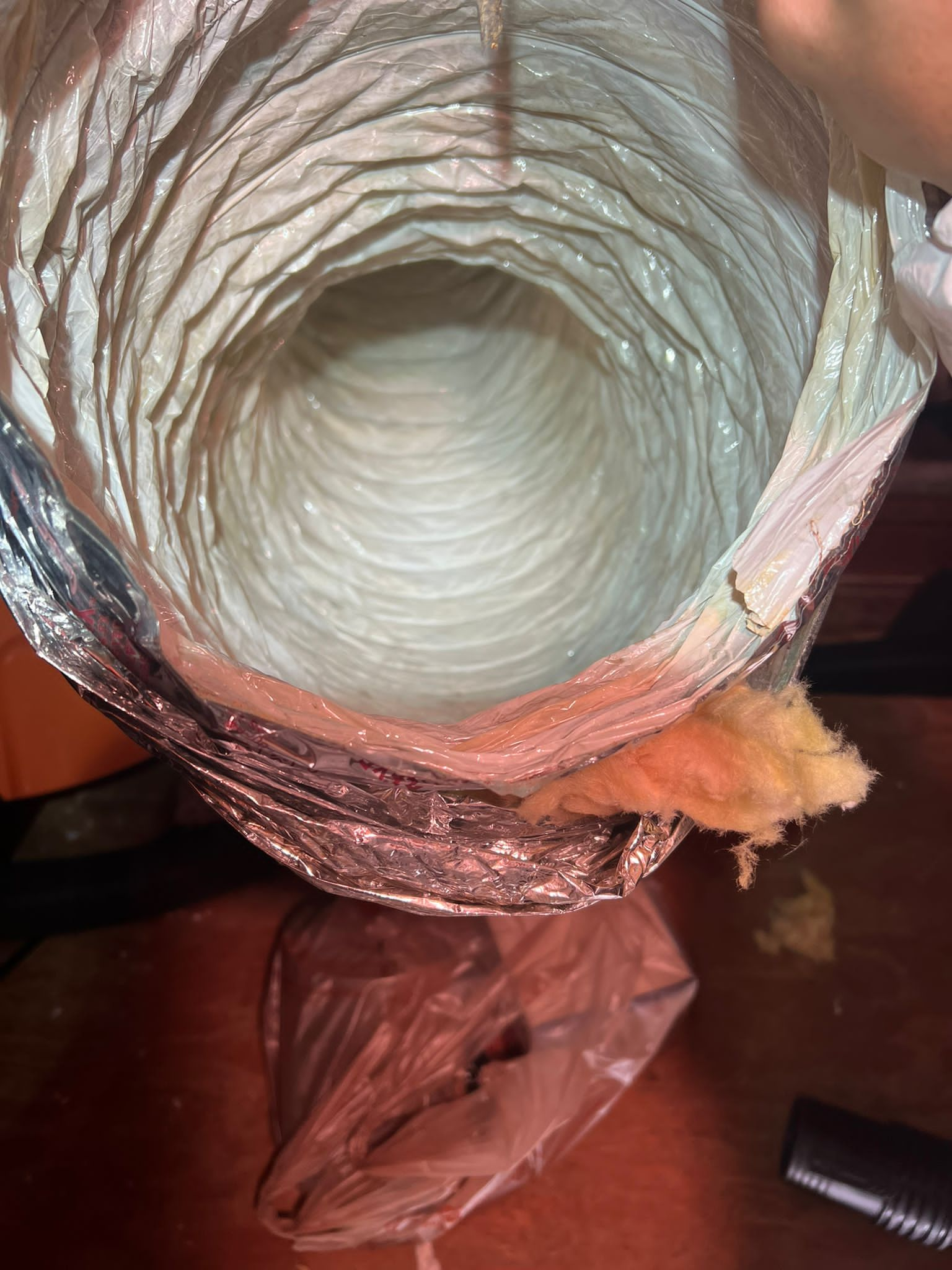
Think about everything that flows through your ducts: air, obviously, but also pet dander, pollen, dust mites, skin cells, and the ghost of last year’s pumpkin spice candle. This gunk builds up layer by layer, creating a cozy filter of… well, filth. Your blower fan then dutifully pushes air through this sludge, distributing it evenly throughout your house. Appetizing, right?
But it’s not just an ick factor. This buildup makes your HVAC system work harder. It’s like trying to breathe through a thick scarf while running on a treadmill. Your system strains, your energy bills creep up, and your comfort plummets. Ever wondered why that new aircon unit isn’t performing like you hoped? The problem might not be the machine itself, but the delivery system. Which brings us to a core service we’re passionate about at our Houston company, Atticair: comprehensive HVAC cleaning.
It’s not just a quick vacuum job. A proper cleaning involves accessing the entire system, agitating that debris, and using powerful negative-air machines to extract it all, leaving the pathways clear. The difference isn’t just measurable; you can literally breathe it.
Beyond the Ducts: The Usual Suspects in Your Comfort Crime
Okay, so we’ve tackled the ductwork. But the plot thickens up in the attic. Two other major players are usually messing with your home’s vibe: your insulation and your dryer vent.
Your Attic Insulation: The Silent Guardian (or Traitor)
Insulation is your thermal blanket. When it’s installed properly and is in good shape, it keeps Houston’s brutal heat out in the summer and your precious cooled air in. But over time, it settles, compresses, gets wet, or becomes a five-star rodent resort. When that happens, its R-value (its ability to resist heat flow) tanks.
Suddenly, your attic is a super-heated oven radiating heat downward, and your HVAC system is in a constant, losing battle. Attic insulation replacement isn’t just a “nice-to-have”; it’s often the single most effective upgrade for immediate comfort and energy savings. We can’t tell you how many times we’ve gone into a home and found insulation that was installed during the Reagan administration—it’s just not doing you any favors.
Your Dryer Vent: A Ticking Lint Bomb
We throw our clothes in, we get warm clothes out. Magic! But that lint has to go somewhere. A clogged dryer vent is more than an inconvenience; it’s a severe fire hazard. The U.S. Fire Administration reports thousands of fires caused by dryers every year. If it takes two cycles to dry a load, or you notice a burning smell, your vent is screaming for help. This is one of those “nearest” services you shouldn’t ignore. A professional cleaning ensures it’s clear all the way to the exterior cap, making your dryer efficient and, more importantly, safe.
Breaking Down the “Cost” Conversation: Investment vs. Expense
We get it. The first question is always about price. “How much for air duct cleaning?” or “What’s the cost for new insulation?” It’s a fair question. But let’s reframe it: what’s the cost of not doing it?
We’re all about affordable solutions, but affordable means value over time, not just the lowest upfront number. A cheap, ineffective cleaning or a poorly installed batt of insulation is just throwing money away. Here’s a quick breakdown of what you’re really paying for with a quality provider like Atticair:
- Expertise & Diagnostics: We don’t just guess. We assess your entire system.
- Proper Equipment: This isn’t a shop-vac job. We use industrial-grade equipment.
- Time & Thoroughness: A proper residential HVAC cleaning or insulation job takes hours.
- Peace of Mind: Knowing it’s done right, safely, and effectively.
To give you a clearer picture, let’s look at how these services often interact. It’s rarely just one thing.
| Symptom You’re Feeling | Likely Culprit | Recommended Service | The Outcome You’ll Feel |
|---|---|---|---|
| Uneven temperatures, high bills | Compromised attic insulation | Attic Insulation Replacement | Consistent comfort, lower energy costs |
| Dusty home, allergies, musty odors | Contaminated duct system | AC Duct Cleaning | Cleaner air, reduced dust, fresher smell |
| Dryer runs too long, laundry room is hot | Clogged exhaust line | Dryer Vent Cleaning | Faster drying times, reduced fire risk |
| Weak airflow, system runs constantly | Combination of duct issues & insulation failure | HVAC Cleaning & Insulation Assessment | Stronger airflow, system cycles normally |
Residential vs. Commercial: It’s a Whole Different Ballgame
Now, if you’re a business owner or property manager reading this, you’re nodding along but thinking on a bigger scale. Commercial systems are the beasts of the HVAC world. They’re more complex, run longer hours, and impact not just comfort but employee health, productivity, and even equipment longevity.
The principles are the same—clean systems are efficient systems—but the execution is scaled up. It requires scheduling that minimizes disruption, equipment that can handle large-scale ductwork, and a team that understands commercial building codes. Whether it’s an office, a restaurant, or a retail space in Houston, maintaining the air quality is a non-negotiable part of facility management. It’s one of the key services we provide that goes beyond the typical home focus, and it’s a challenge we genuinely enjoy.
Choosing the “Best” Company: Don’t Just Google “Near Me” and Click
A quick search for “air duct cleaning near me” will flood you with options, from the suspiciously cheap to the outrageously priced. So how do you choose? IMO, look beyond the ad.
- Seek Proof: Do they show before/after photos or videos? Can they explain their process?
- Check Credentials: Are they licensed and insured? (This is non-negotiable).
- Beware the Ultra-Cheap: If a price seems too good to be true, it almost always is. They’re likely doing a “vent cleaning,” not a full system cleaning.
- Ask About the Process: Do they seal and clean all registers? Do they access the main trunk lines? What equipment do they use?
We built Atticair in Houston on transparency. We want you to understand what we’re doing and why. We’ll show you the horror (and the glory) we pull from your ducts. We’ll explain your insulation options without the jargon. FYI, that’s the mark of a company that takes pride in its work, not just its sales pitch.
Your Questions, Answered (No Fluff)
1. How often should I get my air ducts cleaned?
There’s no universal timeline, but we generally recommend every 3-5 years for most homes. If you have pets, allergies, have done renovations, or notice a visible change in your air quality, it’s time to take a look. It’s not a subscription service; it’s a maintenance item based on your home’s needs.
2. Will cleaning my ducts lower my energy bill?
It can contribute to lower bills. A clean system doesn’t have to work as hard to push air through, improving efficiency. However, the most dramatic bill impact usually comes from combining duct cleaning with addressing air leaks and upgrading attic insulation. They’re a powerhouse team.
3. Is there a “best” type of insulation?
It depends on your attic’s structure, your budget, and your goals. Blown-in cellulose is great for covering irregular spaces and is often very affordable. Spray foam offers superior air sealing but at a higher cost. We discuss the pros and cons of each for your specific situation, because the “best” is what’s best for your house.
4. Can I clean my dryer vent myself?
You can disconnect the hose from the back of the dryer and vacuum it out, and you should! But that’s only 10% of the problem. The real buildup is in the long pipe running through your wall or attic to the outside. For a thorough, safe job that ensures the entire line is clear, a professional with the right brushes and tools is the way to go.
The Bottom Line: It’s About the Air You Share
At the end of the day, this isn’t just about machinery or fiberglass. It’s about the air your family breathes, the comfort you come home to, and the safety of your space. It’s about fixing that one weirdly hot room so you can actually use it. It’s about peace of mind.
These systems are out of sight, but they shouldn’t be out of mind. A little proactive care saves a lot of reactive headache (and money). So, if you’re in the Houston area and any of this hit home—whether it’s that dusty mystery, the attic that feels like a sauna, or a dryer that’s on strike—give us a shout at Atticair. Let’s have a look, have a real conversation, and get your home’s hidden half working for you, not against you. After all, life’s too short to be uncomfortable in your own house. 🙂