Let’s be honest, we rarely think about the labyrinth of ducts snaking through our walls or the insulation packed above our heads—until something goes wrong. Suddenly, that weird smell isn’t the dog, the energy bill looks like a car payment, and one room is a sauna while another is an icebox. Sound familiar? We’ve been there, both as homeowners and as the team at Atticair in Houston. We spend our days in attics and crawlspaces so you don’t have to, and we’ve learned a thing or two about what really makes a home comfortable and efficient.
The Hidden World of Your Home’s Lungs and Sweater
Think of your HVAC system as your home’s respiratory system. The ducts are the lungs, moving air everywhere. The insulation? That’s your home’s cozy sweater, keeping the Texas heat out and the cool air in. When one fails, the whole system suffers. It’s like trying to breathe through a straw while wearing a moth-eaten sweater—you’re just working way too hard for mediocre results.
Here’s the kicker: most homes are walking around with clogged “lungs” and a tattered “sweater” without the owners even knowing it. Construction dust, pet dander, mold spores, and just general life gunk build up in your ducts over years. Meanwhile, insulation settles, compresses, or gets chewed up by critters. The system strains, your cost to run it skyrockets, and your air quality plummets.
Why “Out of Sight, Out of Mind” is a Costly Mistake
We get it. If it’s not broken, don’t fix it, right? Well, what if we told you it is broken, just quietly? The decline is so gradual you might not notice. You just accept that the upstairs is always warmer or that you dust every other day. But your wallet notices. An overworked HVAC system and poor insulation are a one-two punch for your bank account.
Ever wondered why your neighbor’s house, identical to yours, has a lower energy bill? Chances are, they’ve paid attention to these hidden systems. Investing in proper HVAC cleaning and attic insulation replacement isn’t an expense; it’s a correction. It’s tuning up the engine of your home. And in Houston’s climate, where that aircon runs for what feels like 11 months a year, efficiency isn’t a luxury—it’s a necessity.
Breaking Down the Big Two: Ducts and Insulation
Let’s get specific. These two services are the bedrock of home performance, and they work in tandem.
The Lowdown on Air Duct Cleaning
Air duct cleaning is more than just a vacuum hose. It’s a thorough, professional removal of debris from your entire supply and return ductwork. This includes registers, grilles, fans, and the HVAC unit itself. When we at Atticair do a job, we’re not just making things look clean; we’re restoring airflow and removing contaminant sources.
So, when do you need it?
- After any major home renovation (drywall dust is a nightmare).
- If you notice visible mold growth inside the ducts or on other components.
- When pests (rodents, insects) have made a home in your ducts.
- If excessive dust is blowing from your vents, no matter how often you change the filter.
- Just generally… every 3 to 5 years. It’s routine maintenance, like changing your car’s oil.
Searching for “AC duct cleaning near me” will get you a dozen results. But IMO, you want a company that uses professional-grade equipment, can show you before-and-after proof, and doesn’t use scare tactics about “toxic mold” to upsell you. A good, affordable price reflects fair value, not the cheapest possible job that leaves half the gunk behind.
The Insulation Game-Changer
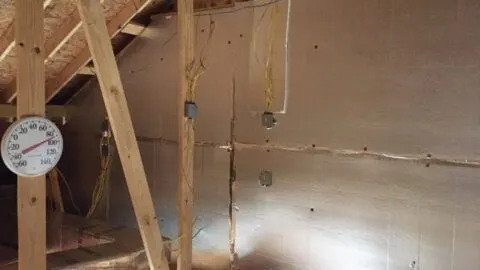
While cleaning deals with air quality and flow, insulation deals with thermal retention. Old, inadequate attic insulation is the single biggest energy-waster in most homes. Heat radiates down in the summer and escapes in the winter, making your HVAC system fight a constant, losing battle.
Attic insulation replacement involves removing old, ineffective material and installing new, high-performance insulation at the correct depth and R-value for our region. The difference is immediate. Your home holds temperature better, runs are shorter and less frequent, and you get that sweet, sweet reduction on your energy bill.
Here’s a quick comparison we see all the time:
| Scenario | Symptom | Likely Culprit | The Fix |
|---|---|---|---|
| Uneven Cooling/Heating | One room is fine, the next is 10 degrees off. | Restricted airflow in ducts, or severe thermal loss in that room’s walls/ceiling. | Professional HVAC cleaning & duct inspection, plus assessing insulation levels. |
| Sky-High Energy Bills | Your bill climbs steadily, but your usage habits haven’t changed. | System working overtime due to poor insulation and/or clogged ducts. | Attic insulation replacement and a full system tune-up. |
| Constant Dust & Allergies | You’re dusting daily, and sneezing fits are common indoors. | Contaminants are being recirculated from your dirty ductwork. | A comprehensive air duct cleaning service. |
| HVAC Runs Non-Stop | The system never seems to cycle off during extreme weather. | The conditioned air you’re paying for is escaping. The house can’t “hold” the temperature. | Boosting attic insulation is the best first step to reduce the thermal load. |
Let’s Talk About the Other Vents (The Dryer One!)
While we’re venting about vents (see what we did there?), let’s not forget the dryer vent. This isn’t part of your HVAC system, but it’s a critical safety component. A clogged dryer vent is a leading cause of house fires. It also makes your dryer run longer, wearing it out faster. If it takes two cycles to dry a load, or the outside flap never seems to open much, it’s time for a cleaning. At Atticair, we often bundle this with other services because, hey, if we’re already improving your home’s health and safety, let’s go all the way.
Commercial Spaces: It’s a Whole Different Ballgame
Everything we’ve talked about scales up for commercial properties, but the stakes are even higher. Employee health, customer comfort, and massive operational costs are on the line. A dirty system in an office or retail space can lead to widespread discomfort and more sick days. We handle commercial projects with the same meticulous care, just with bigger equipment and a schedule that minimizes business disruption. The return on investment through energy savings and tenant satisfaction can be huge.
The “Cost” Question We Know You’re Thinking
“Okay, you’ve convinced me. What’s the damage?” It’s the question we hear most. The price for air duct cleaning or attic insulation replacement isn’t one-size-fits-all. It depends on:
- The size of your home and its duct system.
- The level of contamination or the amount of old insulation to remove.
- The type of new insulation you choose.
- Accessibility of your attic and ductwork.
Anyone who gives you a firm quote over the phone without asking these questions is… let’s say, being optimistic. A reputable company will insist on a free, in-person assessment. This lets us see the real scope of work and give you an honest, transparent quote. We believe in affordable solutions that provide real value, not cheap shortcuts that fail in a year.
Why Choosing the Right “Houston” Company Matters
Look, you can find a guy with a truck and a shop-vac. But your home is your biggest investment. The best approach is to find a local, established company that specializes in these systems. As a Houston-based team, Atticair understands the unique demands of our climate and the common construction styles here. We’ve seen every weird attic layout and ductwork configuration from Katy to The Woodlands.
We don’t just sell a service; we provide a solution. We explain what we’re doing and why, we respect your property, and we stand by our work. The goal isn’t just a one-time job; it’s making your home better for the long haul.
Your Top Questions, Answered Straight
We hear these all the time, so let’s tackle them head-on.
1. How often should I really get my air ducts cleaned?
For the average home without pets or allergies, every 3-5 years is a good rule. With pets, smokers, or allergy sufferers, consider every 2-3 years. After major remodeling, do it immediately.
2. Will cleaning my ducts make my house less dusty?
Absolutely. A significant amount of the dust settling on your furniture is being circulated by your HVAC system. Removing the source means less dust circulates. You’ll notice a difference within days.
3. What’s the best type of attic insulation for Houston?
For our hot, humid climate, spray foam offers the highest R-value and an excellent air seal, but it’s a higher upfront investment. Blown-in fiberglass is a fantastic, affordable, and highly effective option for most homes when installed at the proper depth. We can walk you through the pros and cons of each for your specific house.
4. Can I do insulation or duct cleaning myself?
You can, but should you? DIY duct cleaning is largely ineffective without industrial equipment. For insulation, achieving consistent depth, proper coverage around obstructions, and installing necessary vapor barriers is tricky and hazardous work (itchy, hot, and potentially dangerous around electrical components). This is one where the pros save you time, guarantee the result, and honestly, save you from a miserable weekend.
Wrapping It All Up
So, what’s the takeaway? Your home’s hidden systems—the ducts and insulation—are silent workhorses. Ignoring them is easy, but it costs you in comfort, health, and cash. Giving them some professional love is one of the smartest, most impactful home investments you can make.
It’s about more than just a price; it’s about peace of mind. Knowing your air is cleaner, your system is running efficiently, and you’re not literally throwing money out the roof (or through the vents).
If any of this resonated with you, if you’re tired of dust battles or shocking energy bills, let’s have a real conversation. Don’t just search for the nearest service; find the right partner. We invite you to reach out to us at Atticair here in Houston for a no-pressure, honest assessment. Let’s see what your home’s hidden world looks like, and make a plan to get it—and you—breathing easier. Your HVAC system will thank you, your nose will thank you, and your wallet will definitely thank you down the line.
Related Articles
People Also Ask
Air duct cleaning can contribute to energy savings in a home's HVAC system, but its impact is often indirect and depends on the initial condition. The primary goal is to remove accumulated dust, debris, mold, and allergens from the ductwork. When ducts are heavily clogged, it forces the furnace or air conditioner to work harder to push air through the system, reducing airflow and efficiency. By clearing this obstruction, the system can operate with less strain, potentially lowering energy consumption. However, for typical, moderately clean systems, the energy savings might be minimal. The greatest efficiency gains usually come from sealing leaky ducts and ensuring proper insulation, which prevent conditioned air from escaping. Regular maintenance, including filter changes, is often more impactful for consistent energy efficiency.
No, professional air duct cleaning is not a waste of money when performed for the right reasons and by a qualified company. It is a valuable investment in your home's indoor air quality and HVAC system efficiency. The process removes accumulated dust, pet dander, mold spores, and other debris that can recirculate throughout your living spaces. This is particularly beneficial for allergy sufferers. More importantly, a clean duct system allows your furnace and air conditioner to operate with less strain, potentially lowering energy bills and preventing premature wear. For a deeper look at how regular maintenance protects your equipment, see our internal article Extended HVAC Lifespan: The Value Of Maintenance & Cleaning. The key is to hire a certified, reputable service that uses proper equipment, as a poor cleaning job can indeed be a waste.
The "2-foot rule" in duct cleaning is a guideline for determining if flexible ductwork needs replacement rather than just cleaning. It states that if there is visible mold growth, significant contamination, or physical damage (like tears, crushing, or severe sagging) within two feet of the system's air handler or terminal box, the affected section of flexible duct should be replaced. This is because contamination so close to the blower is often severe and deeply embedded, making effective cleaning difficult. Furthermore, damage in this critical area can drastically impact system efficiency and indoor air quality. For rigid sheet metal ducts, cleaning is often feasible, but professional assessment is key. Always consult a NADCA-certified technician to evaluate your specific system.
Air duct cleaning can be worth it in specific circumstances, but it is not a routine necessity for every home. According to general industry standards and consumer guidance, the primary benefit is improved indoor air quality by removing accumulated dust, pet dander, mold, and other contaminants from the system. This is particularly valuable for households with allergy or asthma sufferers. However, if no visible mold growth or significant debris is present, the benefits may be minimal. It is crucial to hire a reputable, certified professional who follows National Air Duct Cleaners Association (NADCA) standards and avoids high-pressure sales tactics. Unnecessary cleaning or poorly performed services provide little value, so a targeted approach based on inspection is key.
Duct cleaning can contribute to energy savings, but it is not a guaranteed or primary method for reducing energy bills. The core truth is that energy savings are most directly achieved through proper insulation, sealing of ductwork, and efficient HVAC equipment. However, when air ducts are heavily contaminated with dust, debris, or mold, it restricts airflow, forcing the system to work harder and longer to heat or cool your home. This increased strain leads to higher energy consumption. Therefore, cleaning severely clogged ducts can restore optimal airflow and improve system efficiency, leading to modest energy savings. For significant savings, duct cleaning should be part of a comprehensive approach that includes sealing leaks and ensuring your insulation is adequate, as leaky ducts are a major source of energy waste.
Duct cleaning, while beneficial in specific cases, has several potential drawbacks. The primary concern is that it is often unnecessary for many homes, leading to unnecessary expense. If not performed by a highly qualified professional using proper containment and negative air machines, the process can actually worsen indoor air quality by dislodging and redistributing settled dust, mold spores, and debris throughout the home. Aggressive or improper cleaning methods can damage ductwork, especially older flexible ducts, leading to costly repairs. Furthermore, there is a lack of conclusive scientific evidence proving routine duct cleaning provides significant, measurable health benefits for most people. It is not a substitute for addressing the root causes of poor air quality, such as inadequate filtration or moisture issues. Homeowners should seek a thorough inspection and only proceed if there is visible contamination, a pest infestation, or post-renovation debris.