Let’s be honest for a second. We’ve all been there. It’s a sweltering Houston summer, our aircon is cranking on high, and yet… something’s off. The house feels stuffy, the energy bill looks like a ransom note, and someone in the family keeps sneezing. We fiddle with the thermostat, change the filter (maybe), and wonder what we’re missing. Well, friends, the answer is probably floating in the air around us, traveling through the hidden highways of our homes: our ductwork and attic.
We forget about these spaces because, well, they’re out of sight. But what’s out of sight shouldn’t be out of mind, especially when it directly impacts our comfort, health, and wallet. Think about it. Those ducts are the lungs of your house, and the attic is its hat. If the lungs are clogged and the hat is threadbare, the whole system struggles. That’s the core of what we do at Atticair in Houston. We don’t just fix problems; we optimize the entire ecosystem of your home’s air. So, grab a cold drink, and let’s chat about why this stuff matters more than you think.
The Hidden World Inside Your Walls (And Above Your Head)
We like to think our HVAC system is a sealed, pristine unit. The reality is a bit more… adventurous. From the moment your system is installed, it begins a slow journey of collecting guests.
What’s Really Touring Your Ducts?
Every time your system kicks on, it’s pulling air through return vents. That air carries:
- Dust and dander from daily life (pet owners, we see you).
- Pollen and outdoor allergens that sneak inside.
- Construction debris (a gift that keeps on giving in newer homes).
- Mold spores from humidity fluctuations.
- Even tiny fibers from that carpet you replaced five years ago.
This cocktail doesn’t just sit there. It gets recirculated. And recirculated. You might be cleaning surfaces constantly, but if you’re not cleaning the delivery system, you’re fighting a losing battle. This isn’t just about dust on a shelf; it’s about what we’re breathing for hours every day.
Your Attic: The Silent Saboteur
Now, let’s look up. Your attic is the primary buffer between your living space and the Texas sun. If its insulation is old, compacted, or insufficient, it’s like wearing a thin t-shirt in a snowstorm. Your AC works overtime, your bills skyrocket, and you get uneven temperatures throughout your home. Hot upstairs, cold downstairs sound familiar? That’s often an attic insulation problem, not an AC size problem.
Why “Out of Sight” Shouldn’t Mean “Out of Mind”
Ignoring these systems isn’t just a comfort issue. It has real, tangible consequences. Let’s break down the “why” behind the maintenance.
Health & Comfort: It’s Not Just in Your Head
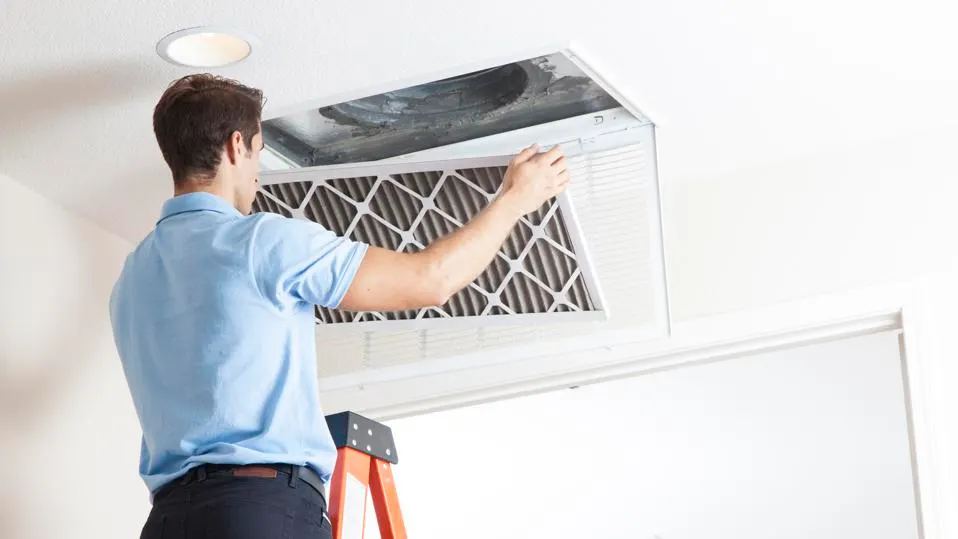
Ever wonder why allergies seem to flare up more at home? Or why the air just feels heavier? Contaminated ducts are a prime suspect. They redistribute irritants constantly. For folks with asthma, allergies, or just a general desire for clean air, this is a big deal. Professional air duct cleaning removes that built-up layer of gunk, giving you a fresher starting point with every breath. It’s one of the most direct services we provide for your indoor air quality.
Your Wallet Will Thank You
Here’s where the math gets interesting. A system choked with dust in the ducts and straining against poor attic insulation has to work much, much harder. We’re talking 20-30% harder in some cases. That translates directly to your monthly cost. Investing in HVAC cleaning and attic insulation replacement isn’t an expense; it’s an efficiency upgrade. You get a system that runs less to do more, and that savings shows up bill after bill. It’s one of the most affordable long-term investments you can make in your home.
Safety First: The Dryer Vent Talk
Okay, let’s get serious for a moment. This one is non-negotiable. When we talk about dryer vent cleaning, we’re not just talking about efficiency. A clogged dryer vent is a leading cause of house fires. Lint is incredibly flammable, and when heat can’t escape, disaster can follow. It’s the simplest, most critical maintenance task we urge every homeowner to keep on schedule. It’s a small price for peace of mind.
So, What Does “Getting It Done Right” Actually Look Like?
Anyone can stick a vacuum in a vent and call it a day. The difference between a DIY attempt and a professional job is like the difference between swishing mouthwash and a deep dental cleaning. Here’s what a proper, thorough job from a company like Atticair involves:
The Duct Cleaning Deep Dive
We don’t just clean the openings. We access the entire system.
- Inspection: We always start with a camera. We need to see the enemy.
- Agitation: We use specialized tools to scrub and loosen debris from every inch of the duct walls.
- Extraction: A powerful, truck-mounted HEPA vacuum creates negative pressure, pulling all that loosened debris out of the system and into a sealed container—not back into your house.
- Sanitization (Optional but Recommended): We can apply an EPA-registered sanitizer to tackle microbial growth, but only if the inspection shows it’s needed.
The Attic Insulation Game Plan
For insulation, it’s not just about adding more. It’s about doing it right.
- Air Sealing First: Before a single batt of insulation goes in, we seal gaps, cracks, and holes around pipes, wires, and lights. This stops conditioned air from escaping into the attic—the biggest energy drain.
- Choosing the Right Material: Blown-in cellulose, fiberglass batts, spray foam… each has pros and cons for our Houston climate and your specific attic.
- Achieving Proper R-Value: This is the measure of thermal resistance. We ensure we meet or exceed the Department of Energy’s recommended levels for our region.
A Quick Guide to What Impacts Your Project Cost
| Factor | How It Affects Price | Why It Matters |
|---|---|---|
| Home Size & Duct Complexity | More vents, returns, and footage = more time/materials. | A 2,000 sq ft single-story has a simpler system than a 4,000 sq ft multi-story. |
| Level of Contamination | Heavy buildup or mold requires more intensive procedures. | A post-renovation clean or a home with pets will differ from a lightly lived-in space. |
| Accessibility | Easy attic access vs. tight, cramped spaces. | Difficult access requires more labor time and care. |
| Type of Insulation | Material costs vary (fiberglass vs. spray foam, etc.). | We match the material to your budget and performance goals. |
| Additional Services | Adding dryer vent cleaning, UV lights, etc. | Bundling services often provides better overall value. |
Busting the Biggest Myths in the Business
We hear a lot of things in our line of work. Let’s clear the air on a few common misconceptions.
Myth 1: “My house is new, so I don’t need this.”
Oh, how we wish this were true! New construction is often the worst offender. Drywall dust, sawdust, and all sorts of debris get left inside ducts and walls. Getting a thorough AC duct cleaning in a new home is one of the best things you can do.
Myth 2: “Duct cleaning is a scam.”
We get the skepticism. The industry has had its bad actors. But a legitimate, thorough cleaning by a certified, transparent company is absolutely beneficial. The key is finding the right provider—not dismissing the service altogether.
Myth 3: “More insulation is always better.”
Not exactly. Proper installation and air sealing are far more important than just piling it on. Incorrectly installed insulation can trap moisture or create voids, reducing its effectiveness. It’s about quality, not just quantity.
When Should You Actually Make the Call?
We don’t believe in scare tactics, just straight talk. Here are the real signs it’s time to pick up the phone:
- Visible dust blowing from your supply vents when the system starts.
- Unexplained spikes in your energy bills.
- Persistent allergy symptoms or stale odors in the home.
- You’ve never had it done and you’ve lived there over 5 years.
- After any major renovation or construction project.
- You find your dryer is taking multiple cycles to dry clothes (a key dryer vent clue!).
And if you’re searching for “AC duct cleaning near me” or “attic insulation replacement nearest me,” you’re already on the right path. You’re looking for local experts who understand Houston’s specific climate challenges. IMO, that local knowledge is everything.
Your Top Questions, Answered Honestly
1. How often should I get my air ducts cleaned?
The NADCA (National Air Duct Cleaners Association) recommends every 3-5 years for the average home. But homes with pets, smokers, allergy sufferers, or after renovations should consider it more frequently. There’s no one-size-fits-all answer, but that’s a good rule of thumb.
2. Will cleaning my ducts lower my energy bill?
It can contribute to lower bills, especially if the buildup was severe. A cleaner system doesn’t have to work as hard to move air. But for the biggest impact on bills, pairing it with proper attic insulation is the real power move.
3. What’s the difference between residential and commercial HVAC cleaning?
Scale, complexity, and scheduling. Commercial systems are larger, often run nearly 24/7, and require work to be done after hours to avoid business disruption. The core principles are the same, but the equipment and planning are on a different level.
4. How do I choose the best company for the job?
Look for certifications (like NADCA for duct cleaning), proper insurance, transparent pricing (be wary of the “$99 whole-house” ads), and a willingness to do an inspection first and explain what they see. Read reviews, ask for references, and trust your gut. The best company will educate you, not pressure you.
Wrapping It All Up: Breathe Easy, Houston
At the end of the day, our goal at Atticair is simple: we want you to be comfortable, healthy, and efficient in your own home. We’re not just another faceless HVAC contractor. We’re your neighbors in Houston, dealing with the same humidity and heat. We take pride in solving these hidden problems so you can just… live.
Think of it as preventative care for your biggest investment. You change the oil in your car, you go to the dentist, you get an annual physical. Your home’s air system deserves the same thoughtful attention. The benefits—cleaner air, lower bills, a longer-lasting AC system—are all too real to ignore.
So, if that nagging feeling about your stuffy air or high bills won’t go away, maybe it’s time to stop wondering and start knowing. Let’s take a look. Give us a call at Atticair, and let’s have a real conversation about what’s happening in the hidden parts of your home. We promise, it’s a chat that will help you breathe a whole lot easier.