Houston, TX Air Duct Cleaning Service & Insulation | Atticair
The $5000 rule for HVAC is a general industry guideline used to decide between repairing or replacing an existing air conditioning system. It suggests that if the cost of a needed repair multiplied by the age of the unit (in years) exceeds $5000, then replacement is often the more cost-effective long-term choice. For example, a $1000 repair on a 10-year-old unit (1000 x 10 = 10,000) would point toward replacement. This rule helps homeowners weigh significant repair investments against the benefits of a new, more efficient system with a full warranty and lower operating costs. It is a useful starting point, but a professional assessment considering system condition, efficiency gains, and future repair likelihood is always recommended.
The average cost for an HVAC job varies widely based on the specific service, system size, and regional labor rates. A standard professional duct cleaning for a typical home typically ranges from $300 to $500. For major services like a full system replacement, costs can range from $5,000 to over $10,000. Routine maintenance, such as an inspection and tune-up, generally costs between $100 and $200. It is crucial to obtain detailed, written estimates from licensed and insured professionals, as the lowest price may not reflect quality work. Factors like home size, duct accessibility, and the system's age significantly influence the final price. Always ensure the company follows NADCA standards for air duct cleaning.
The cost to replace an AC unit for a 2000 sq ft house typically ranges from $5,000 to $12,000, with a national average around $7,500. This wide range depends on several key factors. The primary cost driver is the unit's efficiency rating (SEER); a higher-efficiency system costs more upfront but saves on long-term energy bills. Other major factors include the complexity of the installation, such as ductwork modifications or electrical upgrades, and your geographic location, as labor and material costs vary. The brand and type of unit (e.g., central air vs. heat pump) also influence the price. It is crucial to obtain multiple detailed estimates from licensed HVAC contractors that include the complete scope of work.
The cost to install a central air conditioning system for a 2,000 sq ft home in Texas typically ranges from $6,000 to $12,000 or more. This wide range depends heavily on the system's SEER (Seasonal Energy Efficiency Ratio) rating, brand, and the complexity of the installation. Given Texas's extreme heat, a higher-efficiency unit (16 SEER or above) is often recommended, which sits at the higher end of the cost spectrum. Additional factors include the existing ductwork condition, which may need modification or sealing, and the unit's capacity (typically a 4 to 5-ton system). Always obtain multiple detailed quotes from licensed HVAC contractors that include removal of the old unit, new refrigerant lines, thermostat, and all labor.
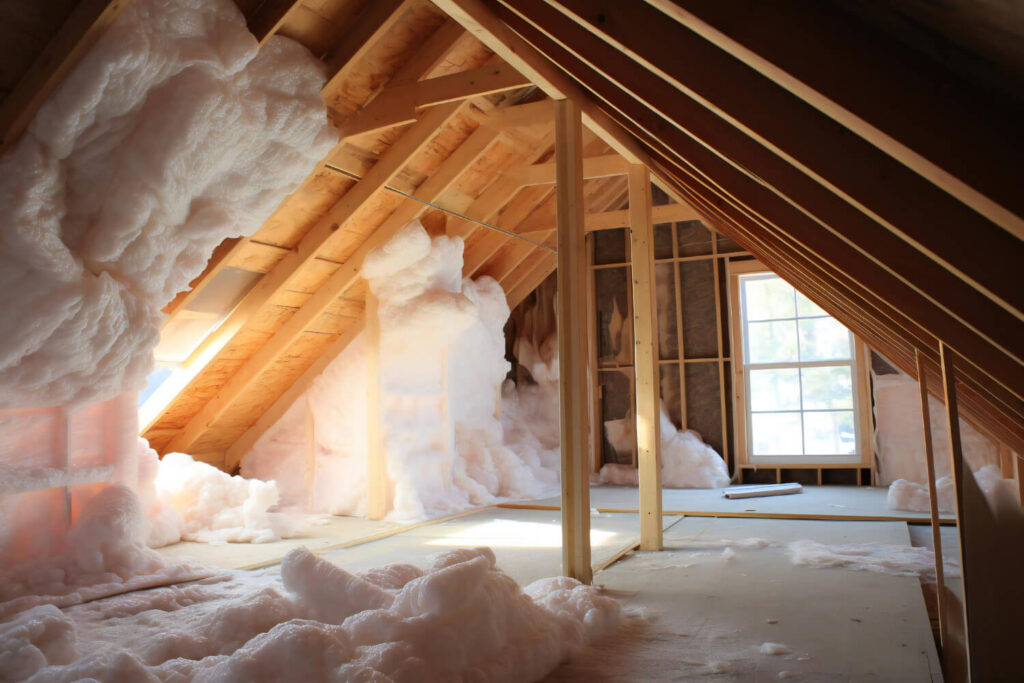
Residential HVAC installation in Texas City requires careful consideration of the local climate, which features high heat and humidity. A properly sized system is crucial; oversized units can lead to short cycling and poor humidity control, while undersized ones will struggle to maintain comfort. It is essential to choose a SEER (Seasonal Energy Efficiency Ratio) rating appropriate for the region to manage energy costs effectively. Professional installation by a licensed contractor ensures correct ductwork design, refrigerant charge, and system calibration. Homeowners should also consider integrating programmable thermostats and evaluating their home's insulation to maximize the new system's efficiency and longevity, ensuring reliable performance during intense Texas summers.
Choosing the best HVAC installation in Texas City involves selecting a licensed, insured contractor with strong local experience. Look for a company certified by organizations like NATE (North American Technician Excellence), which ensures technicians meet high industry standards. A reputable provider will perform a detailed load calculation for your specific home to recommend the correctly sized, energy-efficient system, avoiding issues from undersized or oversized units. They should offer transparent, written estimates and warranties on both equipment and labor. Prioritize companies with excellent customer reviews and those that handle all necessary permits. Proper installation is critical for system longevity, efficiency, and maintaining manufacturer warranties, making the choice of installer as important as the choice of equipment.
20 reviews