Houston, TX Air Duct Cleaning Service & Insulation | Atticair
The $5000 rule for HVAC is a general industry guideline used to decide between repairing or replacing an existing system. It suggests that if the cost of a repair multiplied by the age of the system (in years) exceeds $5000, then replacement is often the more cost-effective long-term choice. For example, a $1000 repair on a 10-year-old unit equals $10,000 (1000 x 10), which is greater than $5000, indicating replacement is likely advisable. This rule helps homeowners weigh significant repair investments against the benefits of a new, more efficient system. It is a useful starting point, but a professional assessment considering system condition, efficiency gains, and future repair risks is always recommended for a final decision.
The average cost for an HVAC job varies widely based on the specific service, system size, and regional labor rates. A standard professional duct cleaning for a typical home generally ranges from $300 to $500. For major services like a full system replacement, costs can span from $5,000 to over $10,000. Routine maintenance, such as an inspection and tune-up, typically costs between $70 and $200. It is crucial to obtain detailed, written estimates from licensed professionals, as pricing is influenced by system accessibility, the extent of contamination, and the complexity of the ductwork. Investing in proper maintenance can prevent costly repairs and improve system efficiency and indoor air quality.
The average cost of a new HVAC system varies widely based on system type, home size, and installation complexity. For a standard central air and heating system in a typical single-family home, homeowners can expect an average cost range of $5,000 to $12,000. This includes equipment like a new air conditioner and furnace. High-efficiency units, complex ductwork modifications, or larger homes can push costs to $15,000 or more. It is crucial to obtain multiple detailed estimates from licensed HVAC contractors. A proper installation, which includes correctly sized equipment and sealed ductwork, is essential for system efficiency, longevity, and maintaining good indoor air quality, impacting long-term operating costs.
The "20-degree rule" for air conditioning is a general guideline suggesting you should avoid setting your thermostat more than 20 degrees Fahrenheit below the current outdoor temperature. For example, if it is 95°F outside, you should not set your AC below 75°F. This rule exists primarily to protect your HVAC system from overworking, which can lead to excessive strain, frozen coils, and premature system failure. It also helps manage energy costs and maintain reasonable indoor humidity levels. While not a strict law, following this principle promotes system longevity and efficiency. For optimal comfort and performance, regular professional maintenance and proper home insulation are equally critical.
Professional HVAC installation in Greater Heights, Houston, requires careful consideration of the local climate and historic home characteristics. The area experiences high heat and humidity, making proper system sizing and efficiency critical. A certified technician will conduct a Manual J load calculation to determine the correct capacity, preventing issues like short cycling or inadequate cooling. Ductwork design and sealing are paramount, especially in older homes, to ensure optimal airflow and energy efficiency. It is essential to choose a reputable, licensed contractor familiar with local codes and the specific challenges of installing systems in historic districts. Regular maintenance post-installation is also key to system longevity and performance in Houston's demanding weather.
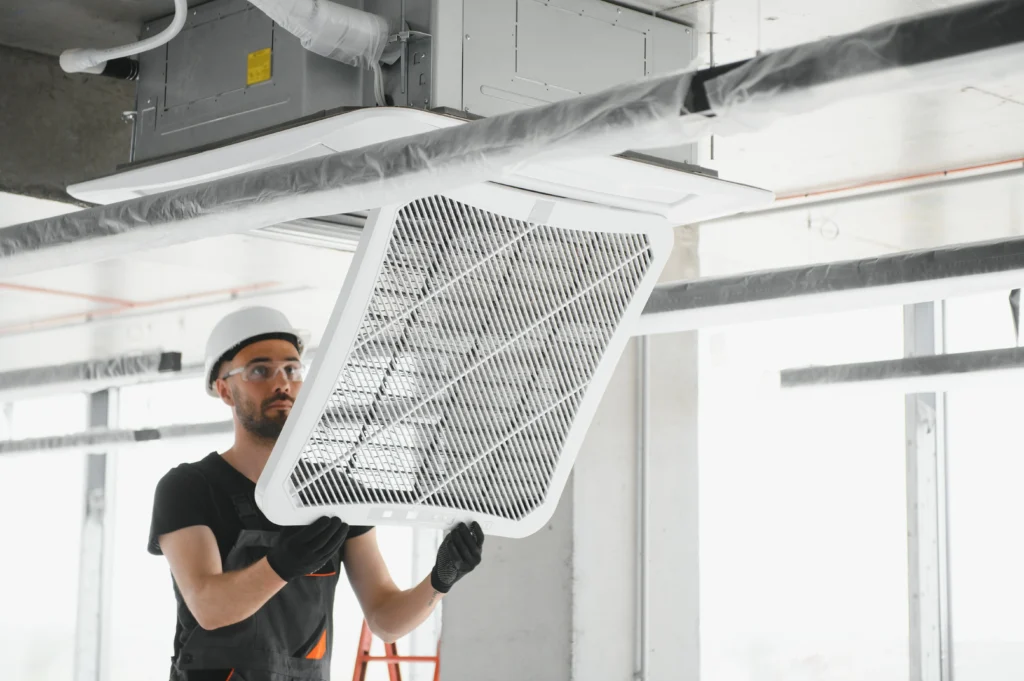
The cost of HVAC installation in multi-story or high-rise buildings is significantly higher than in single-story homes, often ranging from $15,000 to $40,000 or more for a full system. This increase is due to several complex factors. The primary challenges include the logistical difficulty of transporting heavy equipment and materials to upper floors, which may require specialized cranes or elevator scheduling. The ductwork design must account for vertical pressure differences and thermal stratification, requiring more precise engineering. Labor costs are elevated due to the complexity and time involved. Furthermore, building codes for high-rises are often stricter, potentially mandulating fire-rated materials and specialized zoning systems. It is crucial to hire an HVAC contractor with specific experience in tall buildings to ensure proper system balancing, efficiency, and compliance with all safety regulations.
Choosing the best HVAC installation in Greater Heights requires careful consideration of several key factors. First, ensure the contractor is fully licensed, insured, and has strong local experience with homes in the area. A top-tier provider will perform a detailed Manual J load calculation to correctly size the system for your specific home, preventing future efficiency and comfort issues. They should use high-efficiency, properly matched equipment from reputable brands and explain all options clearly. The installation process itself must be meticulous, with proper sealing of ducts, correct refrigerant charge, and thorough system testing. Always check online reviews and ask for references to verify a company's reputation for quality workmanship and customer service. A professional installation is a long-term investment in comfort and energy savings.
20 reviews