Houston, TX Air Duct Cleaning Service & Insulation | Atticair
The $5000 rule for HVAC is a general industry guideline used to decide between repairing or replacing an existing system. It suggests that if the cost of a repair multiplied by the age of the equipment (in years) exceeds $5000, replacement is often the more cost-effective long-term choice. For example, a $1000 repair on a 10-year-old unit (1000 x 10 = 10,000) would point toward replacement. This rule helps homeowners weigh significant repair investments against the benefits of a new, more efficient system. It is a useful starting point, but a professional assessment considering efficiency ratings, system performance, and future energy savings is always recommended for the final decision.
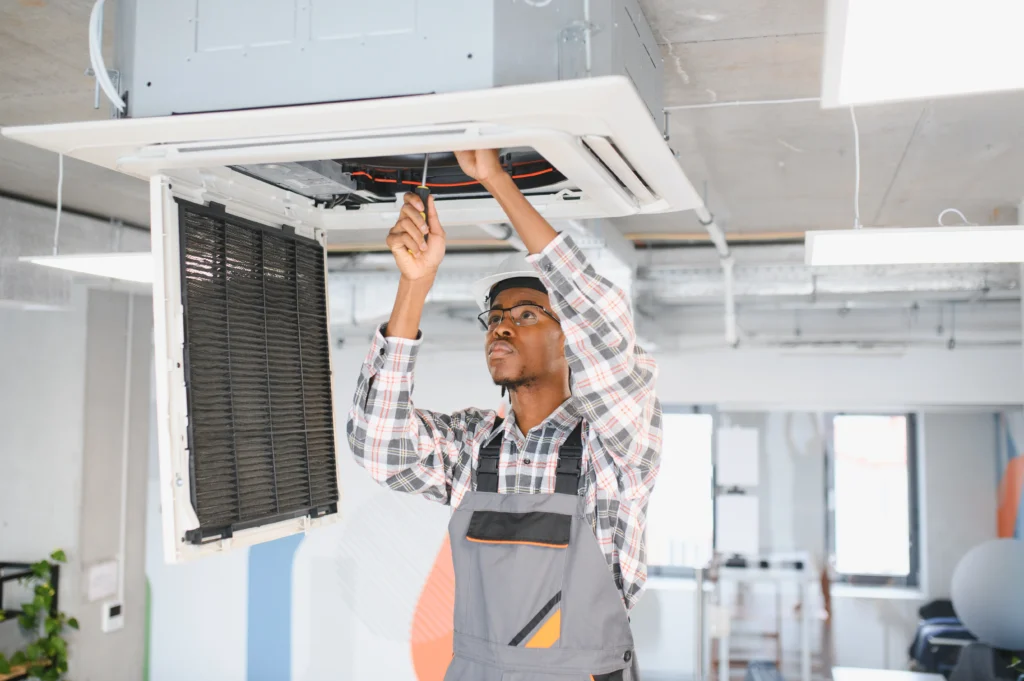
The optimal time for HVAC service is during the transitional seasons of spring and fall. Scheduling maintenance in the spring ensures your cooling system is prepared for the summer heat, while a fall check-up readies your heating system for winter demands. This proactive approach helps avoid peak-season emergency breakdowns when technicians are busiest and wait times are longest. Regular professional maintenance during these periods improves system efficiency, extends equipment lifespan, and maintains good indoor air quality by ensuring components like coils and blowers are clean. It also allows for the early detection of minor issues before they become costly repairs.
The "20-Degree Rule" for air conditioning is a general guideline suggesting you should avoid setting your thermostat more than 20 degrees Fahrenheit below the current outdoor temperature. For example, if it is 95°F outside, you should not set your AC below 75°F. This rule exists primarily to protect your HVAC system from overworking, which can lead to excessive strain, frozen coils, and premature system failure. It also helps manage energy costs and maintain reasonable humidity control. While not a strict law, following this principle promotes system longevity and efficiency. For optimal performance and comfort, regular professional maintenance, including duct cleaning and insulation checks, is essential to ensure your system isn't struggling against unnecessary restrictions.
During spring, setting your AC to around 78°F (25-26°C) when you are at home is a good balance of comfort and energy efficiency. This temperature helps maintain a pleasant indoor environment without overworking the system as outdoor temperatures fluctuate. If you are away, consider raising the setting by 7-10 degrees to save energy. Using a programmable thermostat can automate these adjustments. Additionally, ensure your HVAC system is ready for the season by having clean air ducts and proper insulation, which improve airflow and efficiency. This practice supports consistent performance and can lower utility bills while extending the system's lifespan.
The cost of HVAC installation in the spring can vary widely based on system type, home size, and regional labor rates. On average, a full system replacement for a typical home ranges from $5,000 to $12,000. Spring is often considered a good time for installation as contractors may have more availability compared to peak summer or winter seasons, though pricing is not always at its lowest. Key cost factors include the efficiency rating (SEER) of the new unit, necessary ductwork modifications, and the complexity of the installation. It is crucial to obtain multiple detailed estimates from licensed professionals that include equipment, labor, and any required permits to ensure a fair price and proper installation.
Searching for HVAC installation services in spring near your location is a strategic choice due to the moderate weather, which allows for a more comfortable installation process and often better scheduling availability before peak summer demand. To find a reputable provider, start by searching online for "HVAC installation companies" along with your city or zip code. Look for companies with strong local reviews, proper licensing, and certifications like NATE (North American Technician Excellence). It is crucial to obtain multiple detailed estimates that include equipment options, labor warranties, and a projected timeline. A professional assessment of your home's specific heating and cooling load is essential for correct system sizing, ensuring efficiency and longevity. Always verify that the contractor will handle necessary permits.
Maintaining your car's air conditioning system in Spring, TX, is crucial due to the region's high humidity and heat. Common issues include refrigerant leaks, faulty compressors, or clogged condensers. A professional technician will typically perform a system inspection, check refrigerant levels and pressure, and test electrical components. It is essential to address problems promptly to avoid more costly repairs and ensure efficient cooling. For reliable service, look for a certified auto repair shop with experience in AC systems. Regular maintenance, such as checking and replacing the cabin air filter, can also help prevent issues and keep your car comfortable during the hot Texas summers.
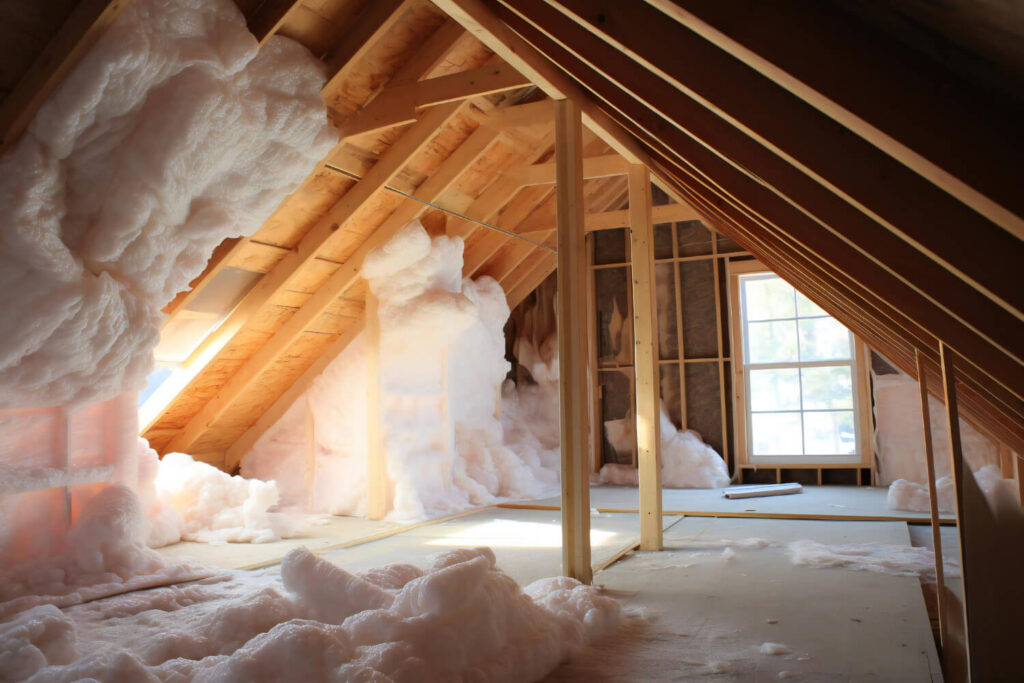
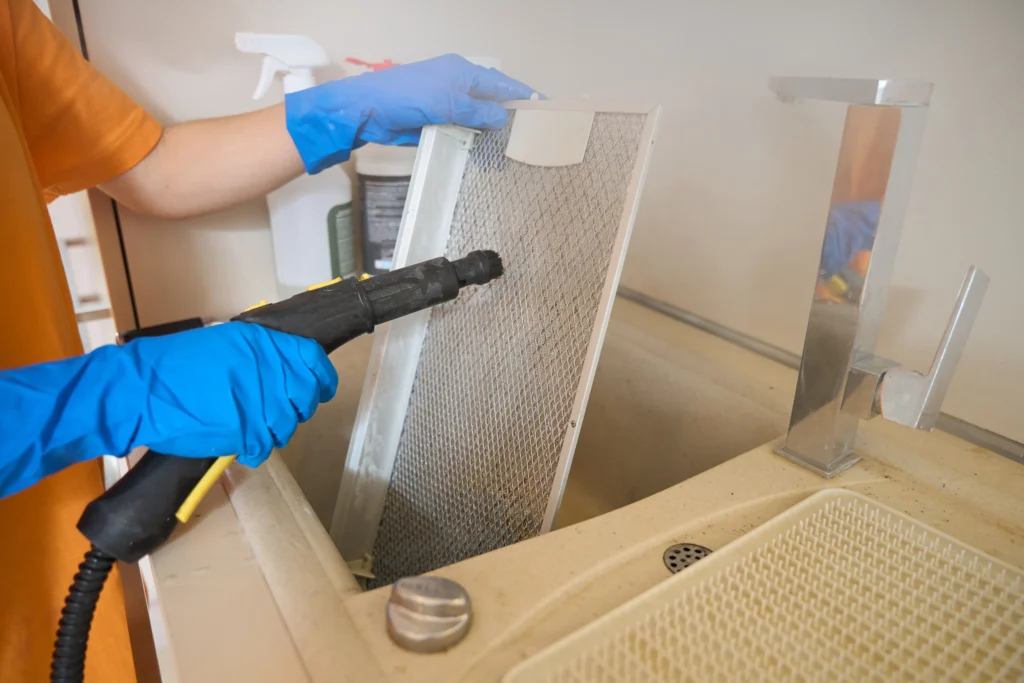
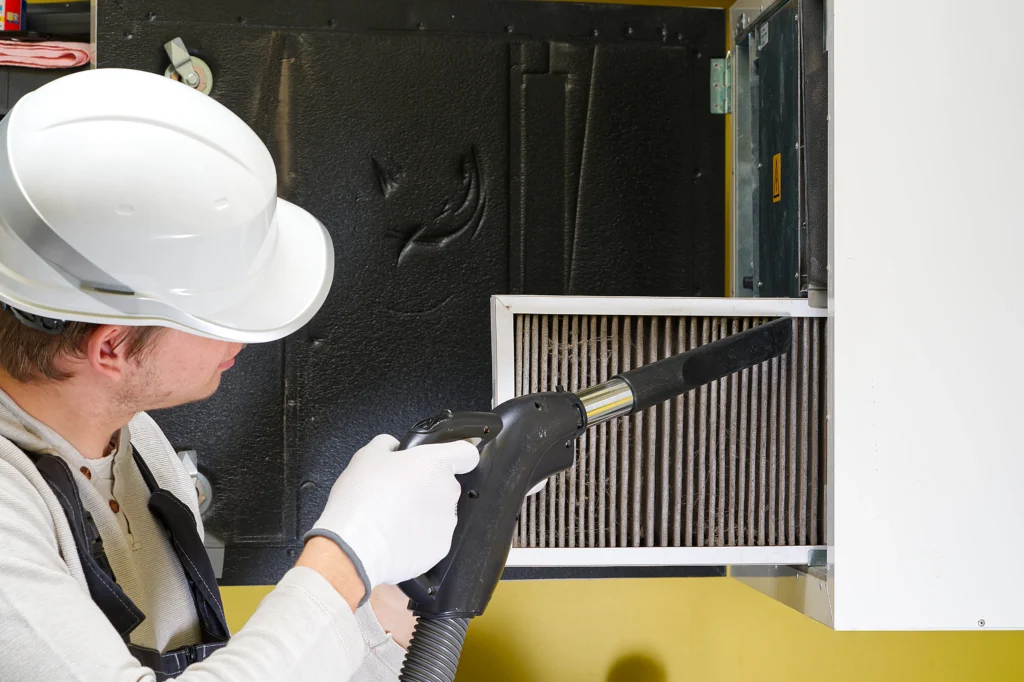
Maintaining your HVAC system in Spring, TX, is crucial due to the region's humid subtropical climate. Regular professional maintenance ensures efficiency and longevity. This includes seasonal inspections, cleaning of coils and condensate drains to prevent mold, and checking refrigerant levels. Proper attic insulation and duct sealing are equally vital; they prevent cooled or heated air from escaping, reducing strain on your unit and lowering energy bills. Always change air filters every 1-3 months to maintain air quality and airflow. Scheduling a professional duct cleaning every 3-5 years can remove dust, allergens, and debris that accumulate in the system, promoting better indoor air quality and system performance.
20 reviews