Houston, TX Air Duct Cleaning Service & Insulation | Atticair
The $5000 rule for HVAC is a general industry guideline used to decide between repairing or replacing an existing system. It suggests that if the cost of a repair multiplied by the age of the equipment (in years) exceeds $5000, then replacement is often the more cost-effective long-term choice. For example, a $1000 repair on a 10-year-old unit (1000 x 10 = 10,000) would point toward replacement. This rule helps homeowners weigh the investment in an old system against the benefits of a new, more efficient model. It is a useful starting point, but a professional assessment considering efficiency gains, warranty, and system condition is always recommended for a final decision.
The cost to install a 3-ton AC unit typically ranges from $3,800 to $7,500 or more, with a national average around $5,500. This wide variation depends on several key factors. The primary cost driver is the unit itself, with basic efficiency models starting lower and high-efficiency, variable-speed models commanding premium prices. Installation complexity, such as replacing old ductwork, upgrading electrical service, or modifying the existing system, adds significant labor costs. Your geographic location also influences price due to local labor rates and permitting fees. It is crucial to obtain multiple detailed estimates from licensed HVAC contractors. A proper quote should include the cost of the equipment, all labor, necessary materials, and a clear warranty for both parts and labor.
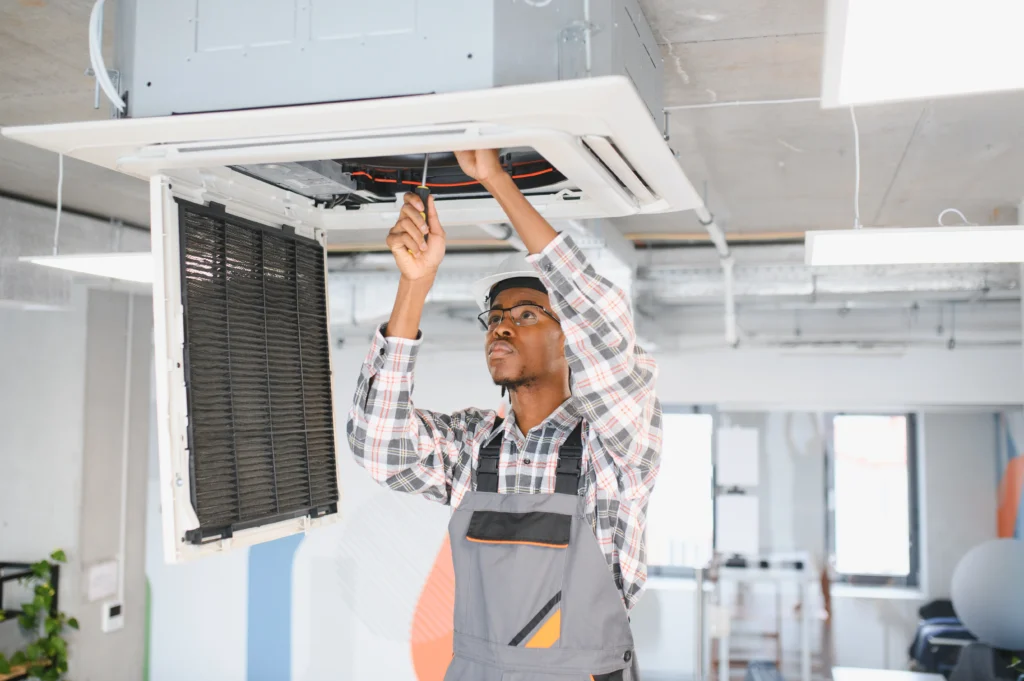
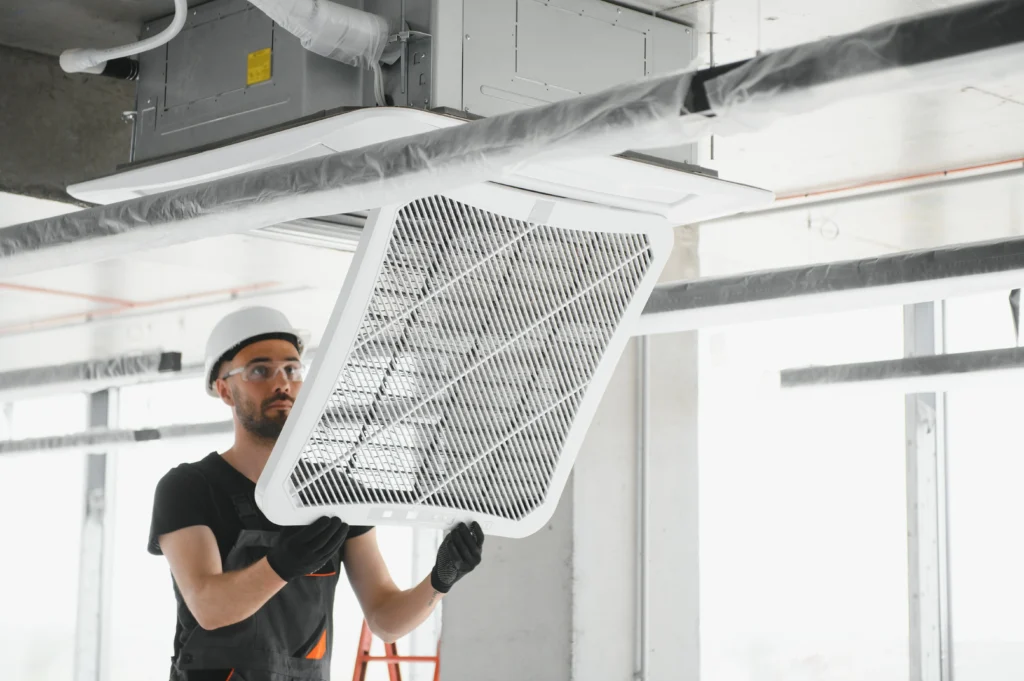
An HVAC installer is a skilled technician responsible for setting up, assembling, and connecting heating, ventilation, and air conditioning systems in residential, commercial, and industrial buildings. Their work begins with interpreting blueprints and follows through to the physical placement of indoor and outdoor units, ductwork, refrigerant lines, electrical wiring, and thermostats. A proficient installer ensures all components meet strict building codes, manufacturer specifications, and efficiency standards for proper operation and safety. This role is foundational to system performance and longevity, as even the highest-quality equipment will underperform if installed incorrectly. Proper installation by a certified professional is crucial for achieving optimal energy efficiency, indoor air quality, and reliable comfort.
Setting your AC temperature in Houston, Texas, involves balancing comfort, energy efficiency, and the extreme summer heat. The U.S. Department of Energy recommends 78°F (26°C) when you are home and active for optimal efficiency. During sleeping hours, a setting of 82°F (28°C) or using a programmable thermostat to raise the temperature slightly can provide significant savings. Given Houston's high humidity, it is crucial to pair this with a properly functioning system; ensure your ductwork is sealed and your insulation is adequate to prevent cool air loss. Regular professional maintenance, including duct and coil cleaning, is essential to maintain system efficiency and dehumidification capacity in this demanding climate.
For HVAC installation in the Eastex-Jensen area of Houston, selecting a licensed and experienced contractor is crucial due to the region's specific climate demands. A professional installer will conduct a detailed load calculation to ensure your new system is correctly sized for your home's square footage, insulation, and window exposure. This prevents inefficiency and excessive wear. Opt for high-efficiency SEER-rated units, which are ideal for Houston's humid summers and can significantly reduce energy bills. Proper installation includes sealing all ductwork and ensuring optimal airflow. Always verify that the contractor pulls the necessary permits and discusses maintenance requirements to protect your investment and ensure long-term reliability and comfort.
The cost of HVAC installation in the Eastex/Jensen area of Houston varies based on system type, home size, and installation complexity. For a standard central air system replacement in a typical single-family home, homeowners can generally expect a range from $5,000 to $12,000. This estimate typically includes equipment like a new air conditioner and furnace or heat pump, along with basic ductwork modifications. Key factors affecting price are the system's SEER rating for efficiency, the brand, and the condition of existing ducts. Additional costs arise if new ductwork is needed or for advanced features like zoning systems. It is crucial to obtain multiple detailed quotes from licensed, insured contractors who perform a manual load calculation to ensure proper sizing for both efficiency and comfort.
20 reviews