Houston, TX Air Duct Cleaning Service & Insulation | Atticair
The $5000 rule for HVAC is a guideline used to decide between repairing or replacing an aging system. It suggests that if the cost of a repair multiplied by the age of the unit (in years) exceeds $5000, replacement is often the more economical long-term choice. For example, a $1000 repair on a 10-year-old unit equals $10,000 (1000 x 10), which far exceeds $5000, indicating replacement is likely better. This rule helps homeowners weigh the investment in an old, potentially inefficient system against the benefits of a new, reliable, and energy-efficient model. It is a useful starting point, but a professional assessment considering efficiency ratings, system condition, and future energy savings is always recommended for a final decision.
The hourly rate for HVAC installers varies significantly based on location, experience, and job complexity. On average, you can expect to pay between $75 and $150 per hour. In high-cost metropolitan areas, rates may exceed $200 per hour. This rate typically covers the technician's labor but not the cost of equipment or materials, which are usually quoted separately. For larger installation projects, many companies provide a flat-rate quote, which can be more predictable. It's always advisable to obtain detailed written estimates from multiple licensed and insured contractors to compare pricing and ensure you understand what is included, such as permitting, equipment, and warranty coverage.
The cost to replace an AC unit in a 2000 sq ft house typically ranges from $5,000 to $12,000 or more, with a national average around $7,500. This wide range depends on several key factors. The primary cost driver is the unit itself; a basic, single-stage system is less expensive than a high-efficiency, variable-speed model. Installation complexity, such as ductwork modifications or electrical upgrades, adds significant cost. Your geographic location also influences price due to labor rates and local code requirements. It is crucial to get multiple detailed estimates that include removal of the old unit, new refrigerant lines if needed, and proper system commissioning. Investing in a correctly sized, energy-efficient unit can offer long-term savings on utility bills.
Choosing the best HVAC system for a two-story home often involves addressing the challenge of temperature stratification, where the upper floor becomes warmer than the lower floor. A popular and effective solution is a zoned system using a single central air conditioner or heat pump paired with a zoning control panel and motorized dampers in the ductwork. This allows you to set different temperatures for each floor, improving comfort and efficiency. Alternatively, a two-unit system with separate systems for each level offers maximum control but at a higher installation cost. Proper duct design and balancing are critical, and adding a variable-speed blower can further enhance air circulation and humidity control. Consulting with a professional HVAC contractor for a load calculation and assessment of your home's specific layout is essential for the optimal choice.
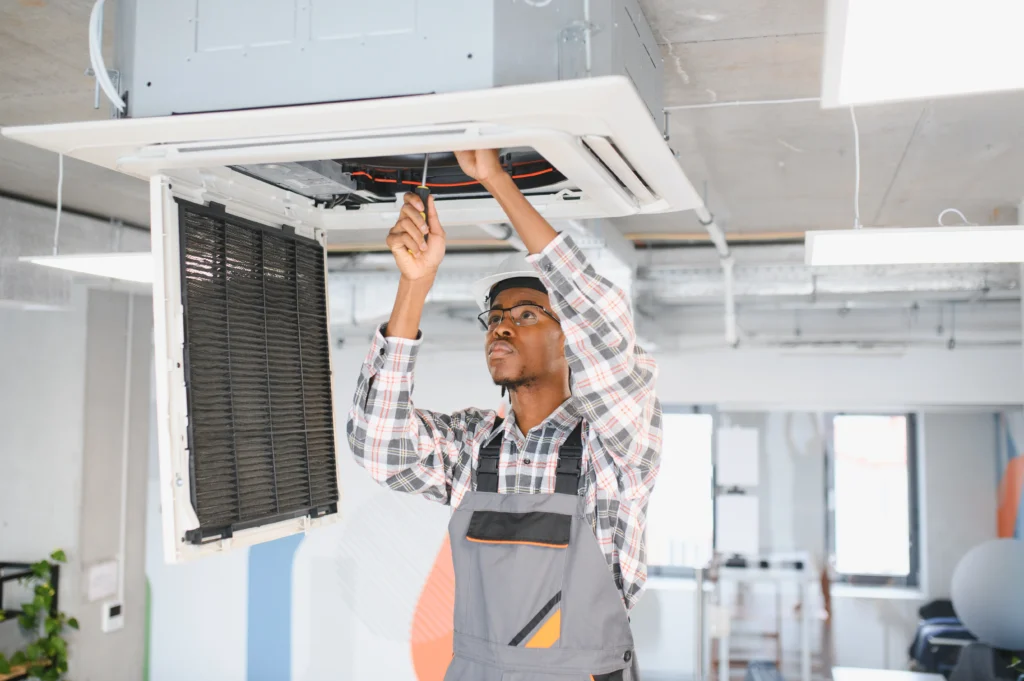
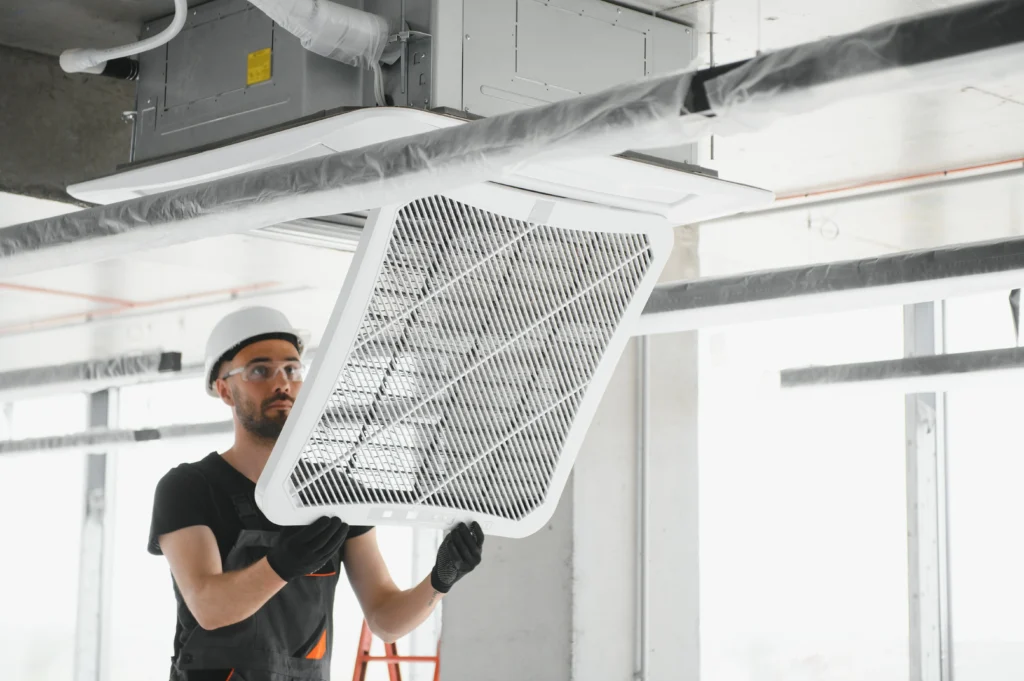
Professional HVAC installation in Second Ward, Houston, TX, requires careful consideration of the local climate and building types. Given Houston's hot, humid summers, a properly sized and efficient system is crucial for comfort and energy savings. It is essential to hire a licensed, insured contractor familiar with local codes and the specific challenges of older homes common in historic neighborhoods. A quality installation includes a detailed load calculation, proper ductwork design, and correct refrigerant charging. This ensures optimal performance, longevity, and indoor air quality. Always verify contractor credentials and seek multiple estimates to ensure you receive a system that meets your home's needs and budget.
To find reliable HVAC installation services in the Second Ward area, start by searching online for local, licensed, and insured contractors with strong customer reviews. It is crucial to choose a company that performs a detailed load calculation for your specific home to ensure the new system is correctly sized, as an improperly sized unit can lead to inefficiency and increased wear. Obtain multiple written estimates that detail the equipment, labor, warranty, and projected energy savings. A professional installer will also assess your existing ductwork for leaks or insulation issues, as proper sealing and insulation are essential for system performance and indoor air quality. Always verify that the technicians are certified by organizations like NATE to guarantee expertise.
20 reviews