Houston, TX Air Duct Cleaning Service & Insulation | Atticair
The $5000 rule for HVAC is a guideline used by homeowners to decide between repairing or replacing an aging system. It suggests that if the cost of a repair multiplied by the age of the unit (in years) exceeds $5000, replacement is often the more economical long-term choice. For example, a $1000 repair on a 10-year-old unit equals $10,000, which is greater than $5000, indicating replacement may be wise. This rule helps factor in the diminishing returns of investing in older equipment that is less efficient and more prone to future breakdowns. It is a general heuristic; a professional assessment considering efficiency ratings, system performance, and your specific home needs is always recommended for a final decision.
The cost of an HVAC service call typically ranges from $75 to $200 for the diagnostic visit alone, with a national average around $100. This fee, often called a trip charge or diagnostic fee, covers the technician's time and travel to assess the issue. However, the total cost depends heavily on the required repairs, parts, system type, and your geographic location. Simple fixes like replacing a capacitor might cost $150-$400 total, while complex compressor repairs can exceed $2,000. Always request a detailed, written estimate before authorizing any work. Many companies apply the service call fee toward the repair cost if you proceed, so it's wise to ask about this policy upfront.
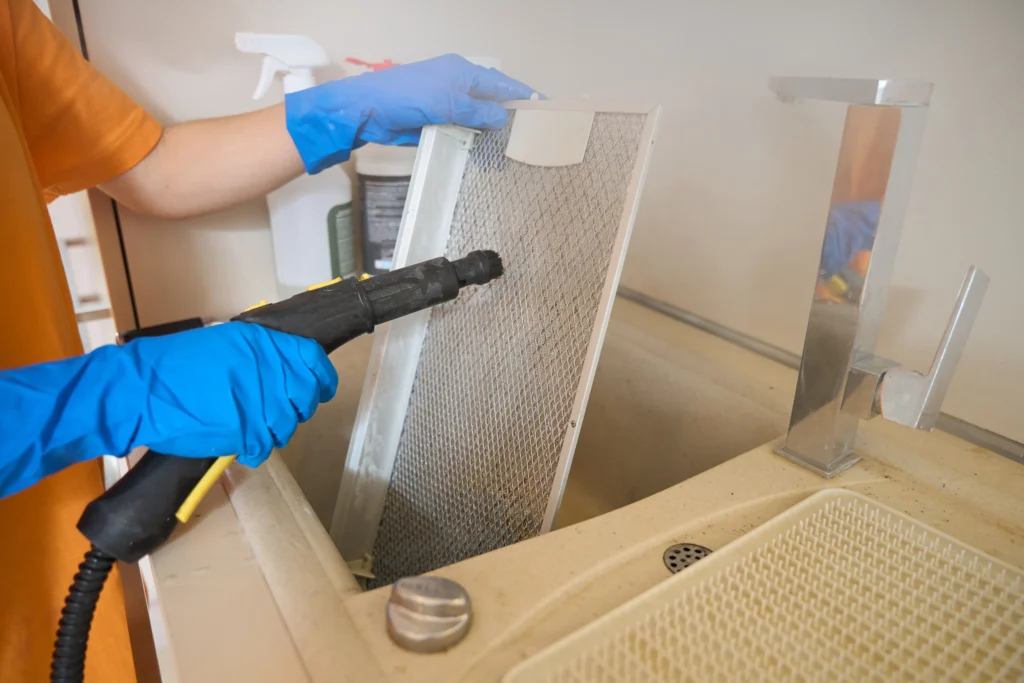
The most common HVAC problem is a lack of routine maintenance, which typically manifests as reduced airflow or a complete system failure. This often stems from clogged air filters, which are the system's first line of defense. A dirty filter restricts airflow, forcing the unit to work harder, increasing energy bills, and potentially leading to frozen coils or overheating. Other frequent issues include refrigerant leaks, which impair cooling, and problems with the thermostat, such as incorrect calibration or dead batteries. Electrical failures in components like capacitors or contactors are also prevalent. The cornerstone of prevention is a professional annual inspection and tune-up, coupled with regular homeowner filter changes every 1-3 months.
The most expensive HVAC repair is typically a full compressor replacement, which can cost between $1,500 and $3,500 or more. This is the heart of the air conditioning system, and its failure often requires extensive labor and costly parts. Other major expenses include replacing an entire heat exchanger in a furnace due to safety concerns like cracks, which can approach the cost of a new unit. Ductwork replacement throughout a home is also exceptionally costly, often running several thousand dollars. These significant repairs underscore the importance of regular professional maintenance, which can identify minor issues before they escalate into catastrophic, budget-breaking failures.
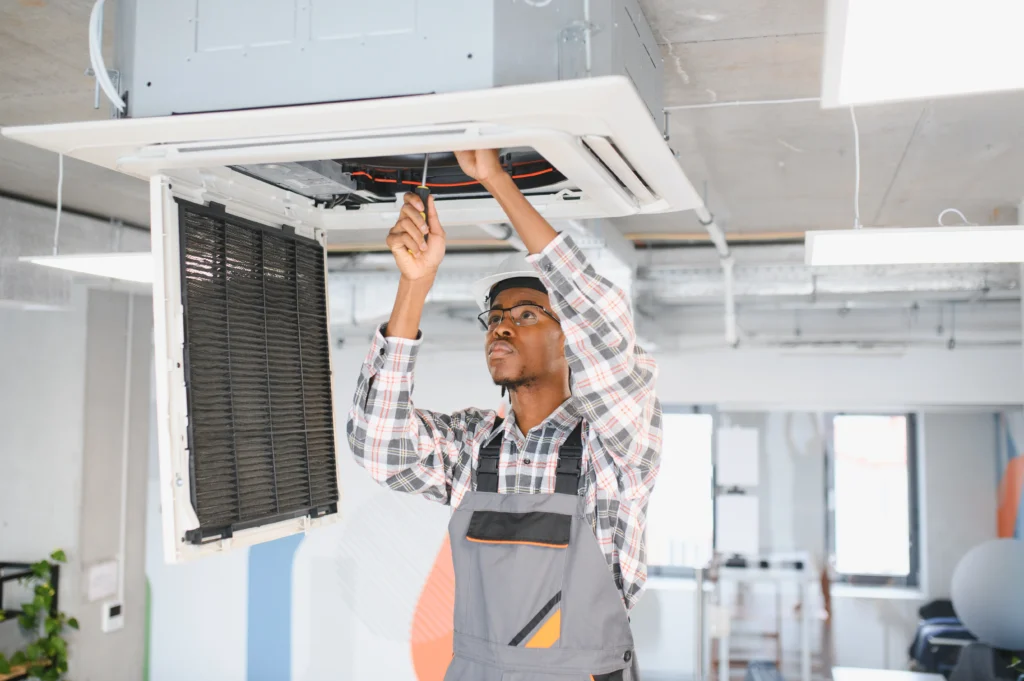
For HVAC repair in Houston's Second Ward, it's crucial to work with a licensed, insured, and NATE-certified technician. The area's hot, humid climate demands systems that effectively manage both temperature and indoor air quality. A reputable service will perform a comprehensive diagnostic to identify issues, whether with the compressor, refrigerant levels, ductwork, or electrical components. They should provide clear, upfront estimates and explain all recommended repairs. Regular maintenance, including coil cleaning and filter changes, is key to preventing costly breakdowns. Always verify a company's local reputation and ensure they offer a warranty on both parts and labor for your protection.
For HVAC repair in Houston's Second Ward, it is crucial to choose a licensed and insured contractor with local experience. The area's climate demands reliable systems, so look for a company that offers 24/7 emergency service and provides clear, upfront estimates. A reputable technician will perform a thorough inspection, checking refrigerant levels, electrical components, and ductwork for leaks. Regular maintenance, including cleaning coils and changing filters, can prevent many common issues. Always verify that the service provider is familiar with your specific HVAC model and can source parts quickly. Prioritize companies with strong community reviews and warranties on both parts and labor for your protection.
20 reviews