Houston, TX Air Duct Cleaning Service & Insulation | Atticair
Reflective foil insulation, while effective in certain applications, has several notable disadvantages. Its primary limitation is that it only works effectively when facing an open air space, as it relies on reflecting radiant heat. If installed incorrectly or compressed, its performance drops significantly. It offers little to no resistance to conductive heat flow on its own, so it is often less effective in very cold climates where conductive and convective heat loss dominate. Foil insulation can also be prone to condensation issues if not paired with proper vapor barriers, potentially leading to mold or material degradation. Furthermore, it is easily torn or damaged during installation, and its metallic surface must remain clean and dust-free to maintain reflectivity, which can be impractical over time in many building environments.
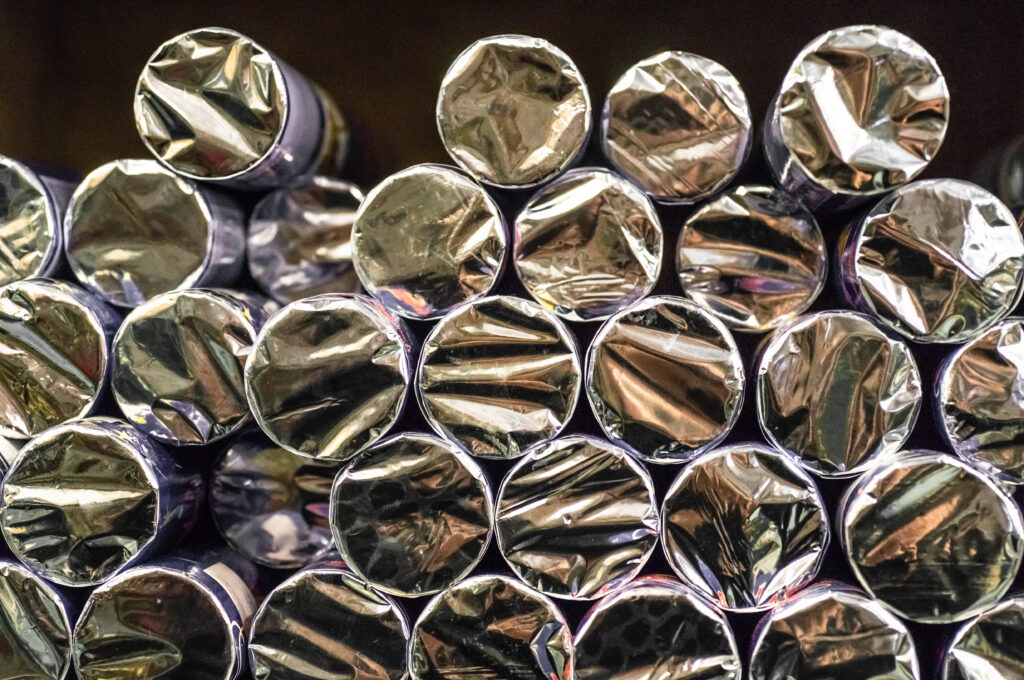
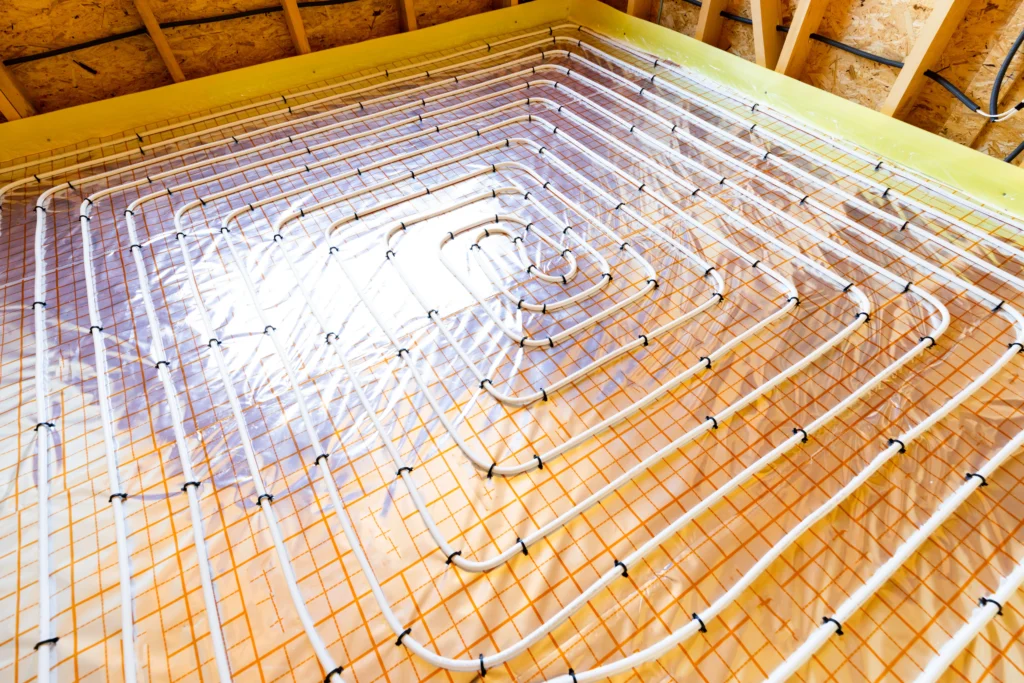
Reflective insulation, often called radiant barrier insulation, is effective in specific applications by reducing radiant heat transfer. It works by reflecting radiant heat away from living spaces, which is particularly useful in hot climates or attics where sun exposure drives up temperatures. This type of insulation is installed with an air gap facing the heat source to maximize its reflective properties. While it does not replace traditional bulk insulation like fiberglass for resisting conductive heat, it can complement existing systems to improve overall energy efficiency. For optimal results, professional installation is recommended to ensure proper placement and avoid issues like dust accumulation that can reduce reflectivity over time.
Reflective insulation, often made from aluminum foil laminated to paper or plastic, is generally considered a cost-effective option compared to many traditional bulk insulation materials like fiberglass batts or spray foam. The material itself is typically less expensive per square foot. However, the true cost depends on the specific product, the complexity of installation, and whether it is used alone or as part of a hybrid system. For optimal performance in attics, it must be installed with an air gap, which requires precise work. While upfront costs can be lower, its effectiveness is highly dependent on proper installation and is best in hot climates where reflecting radiant heat is the primary goal. It may not provide sufficient R-value alone in colder regions, potentially leading to higher long-term energy costs if not paired correctly with other insulation types.
Spray foam insulation can create challenges when selling a home due to potential buyer concerns and a lack of industry-wide installation standards. If improperly installed, it can trap moisture within walls, leading to hidden rot, mold, and structural damage that is costly to repair. Some buyers also worry about off-gassing of chemicals, though modern formulations are much improved. The primary issue is that a standard home inspection cannot assess the quality or condition of spray foam behind walls, creating uncertainty. To mitigate this, sellers should provide documentation from a certified installer, including permits and manufacturer specifications, to prove the installation was performed correctly and is performing as intended.
20 reviews