Houston, TX Air Duct Cleaning Service & Insulation | Atticair
Reflective foil insulation, while effective in certain applications, has several notable disadvantages. Its primary limitation is that it only works effectively when facing an open air space, as it relies on reflecting radiant heat. If installed incorrectly or compressed, its performance drops significantly. It offers little to no resistance to conductive heat flow on its own, so it is often less effective in very cold climates where conductive and convective heat loss dominate. It can also be prone to condensation issues if not paired with proper vapor barriers, potentially leading to mold or material degradation. Furthermore, installation can be challenging, as the foil must be kept clean and free of dust to maintain its reflectivity, and it requires meticulous sealing at seams to be fully effective.
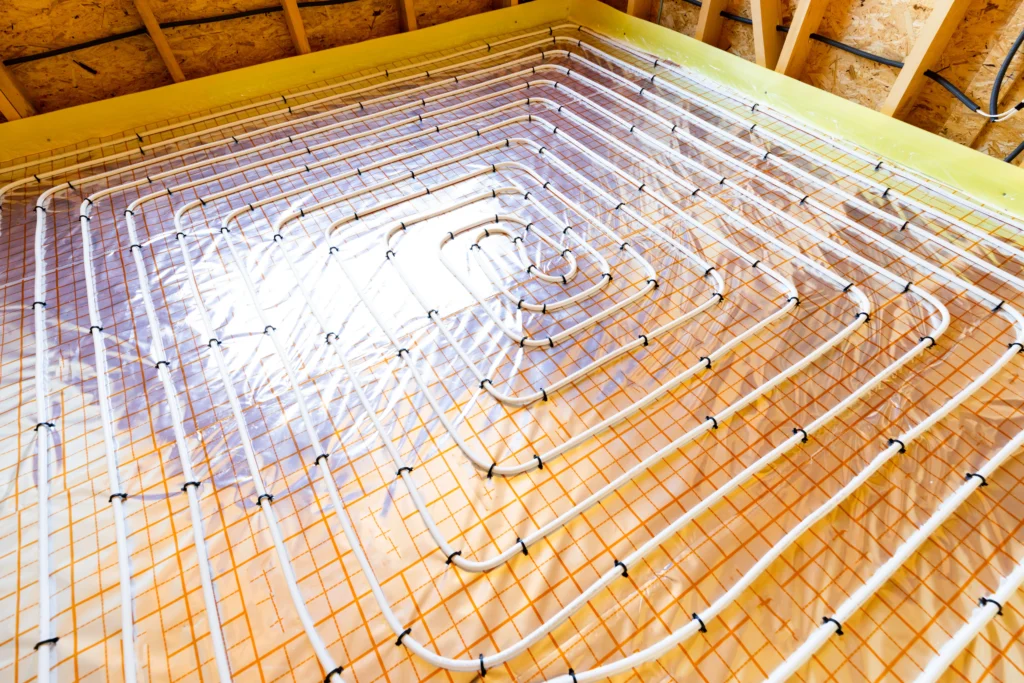
Reflective insulation, often called radiant barrier insulation, is designed to reduce heat transfer by reflecting radiant heat rather than absorbing it. It is highly effective in specific applications, particularly in hot climates and in attics, where it can reflect solar heat away from living spaces. Its performance depends on proper installation; it requires an air gap adjacent to the reflective surface to function correctly. While it is excellent for blocking radiant heat, it has minimal value in stopping conductive heat flow, so it is often used in conjunction with traditional bulk insulation like fiberglass or cellulose for a comprehensive thermal barrier. For optimal home energy efficiency, a professional assessment is recommended to determine the right insulation system for your specific structure and climate.
Reflective insulation, often called radiant barrier insulation, follows specific rules for effective installation. It must face an air gap of at least 3/4 inch to function properly, as it works by reflecting radiant heat, not by resisting conductive heat like bulk insulation. The reflective surface, typically aluminum foil, must remain clean and unobstructed to maintain its reflectivity. It is crucial to install it with the shiny side facing the primary heat source, which is usually downward in attics to reflect summer heat away from living spaces. For optimal performance in attics, it is often installed under the rafters or over existing insulation. Always check local building codes, as requirements for R-value and installation methods can vary by climate zone. Proper sealing of air leaks is also essential, as reflective insulation does not stop air infiltration.
Selling a house with spray foam insulation can be challenging due to potential buyer concerns about moisture issues and improper installation. While high-quality, professionally installed spray foam is an excellent insulator, problems arise if it was incorrectly applied. Buyers may worry about trapped moisture leading to rot, or that the foam conceals roof or structural problems. There can also be apprehension about off-gassing of chemicals, though modern formulations are much improved. Some buyers simply prefer traditional insulation they understand. To mitigate this, sellers should provide documentation from a certified installer, including any permits and warranties, to prove the work was done to code and highlight the energy efficiency benefits.
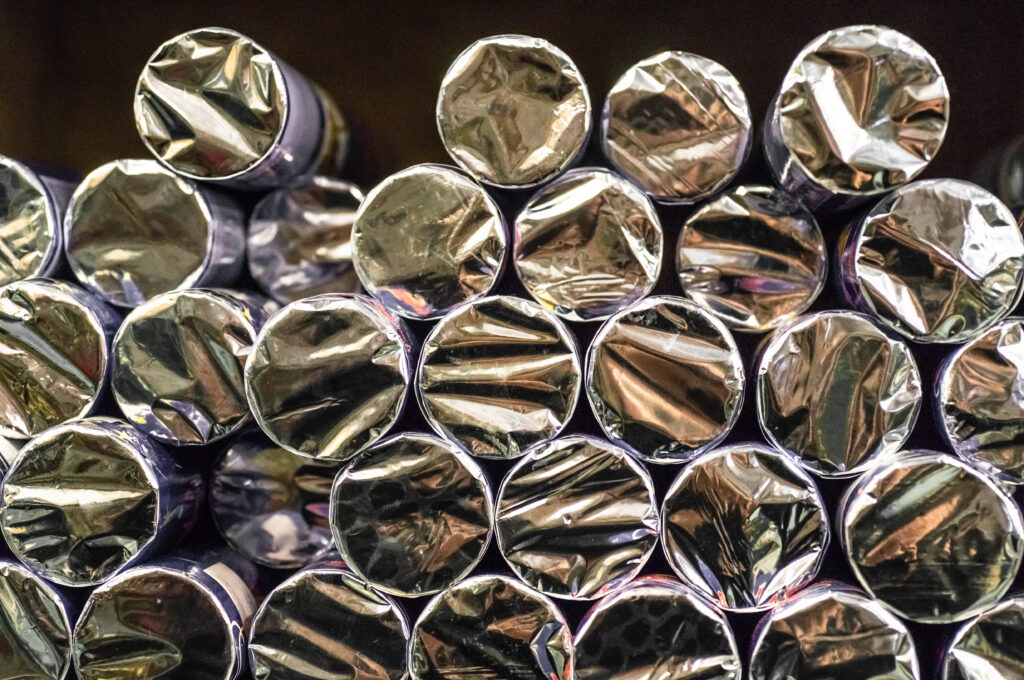
Reflectix insulation is a radiant barrier product made from layers of aluminum foil bonded to polyethylene bubbles. Its primary function is to reflect radiant heat, making it highly effective in attics, crawlspaces, and around ductwork to improve energy efficiency. Unlike traditional bulk insulation that resists conductive heat flow, Reflectix works by reflecting up to 97% of radiant heat, which is crucial for keeping spaces cooler in summer and warmer in winter. For optimal performance, it must be installed with an air gap facing the heat source. While excellent for specific applications, it is not a standalone solution for all climates and is often used in conjunction with other insulation types to meet required R-values. Professional assessment ensures correct application.
Reflective insulation, available at Ace Hardware and similar retailers, is a type of radiant barrier designed to improve a home's thermal efficiency. It typically consists of a foil-like material, often laminated to foam or bubble wrap, that reflects radiant heat away from living spaces. This is particularly effective in attics, where it can help keep homes cooler in summer by reflecting solar heat away and warmer in winter by retaining interior heat. When installing, it is crucial to have an air gap adjacent to the reflective surface for it to function properly, as it works by reflecting radiant energy, not by resisting conductive heat flow like traditional bulk insulation. For optimal home performance, reflective insulation is often used in conjunction with other insulation types and proper attic ventilation as part of a comprehensive approach. Always follow manufacturer guidelines and consider consulting a professional for assessment and installation to ensure it meets local building codes and your specific needs.
Bubble reflective insulation, often called reflective bubble insulation, is a radiant barrier product consisting of polyethylene bubbles laminated between layers of reflective aluminum foil. Its primary function is to block radiant heat transfer, making it highly effective in attics, walls, and crawl spaces to improve energy efficiency. The material is lightweight, flexible, and easy to install, often with staples or tape. While excellent for reducing summer heat gain, it is less effective at stopping conductive heat flow, so it is often used in conjunction with traditional mass insulation like fiberglass. Professional installation ensures proper air sealing and placement, as gaps or compression can significantly reduce its performance.
Reflective insulation is a type of radiant barrier often used in attics and walls. It works by reflecting radiant heat away from living spaces, rather than absorbing it like traditional bulk insulation. For a typical Home Depot purchase, this material usually consists of a layer of aluminum foil laminated to paper or plastic backing. It is most effective when installed with an air gap facing the heat source, such as under roof rafters in hot climates. While excellent for reducing summer cooling costs by blocking radiant heat gain, it is not a replacement for fiberglass or cellulose insulation's R-value, which resists conductive heat flow. For optimal home performance, reflective insulation is best used in combination with conventional insulating materials to address all types of heat transfer.
20 reviews