Houston, TX Air Duct Cleaning Service & Insulation | Atticair
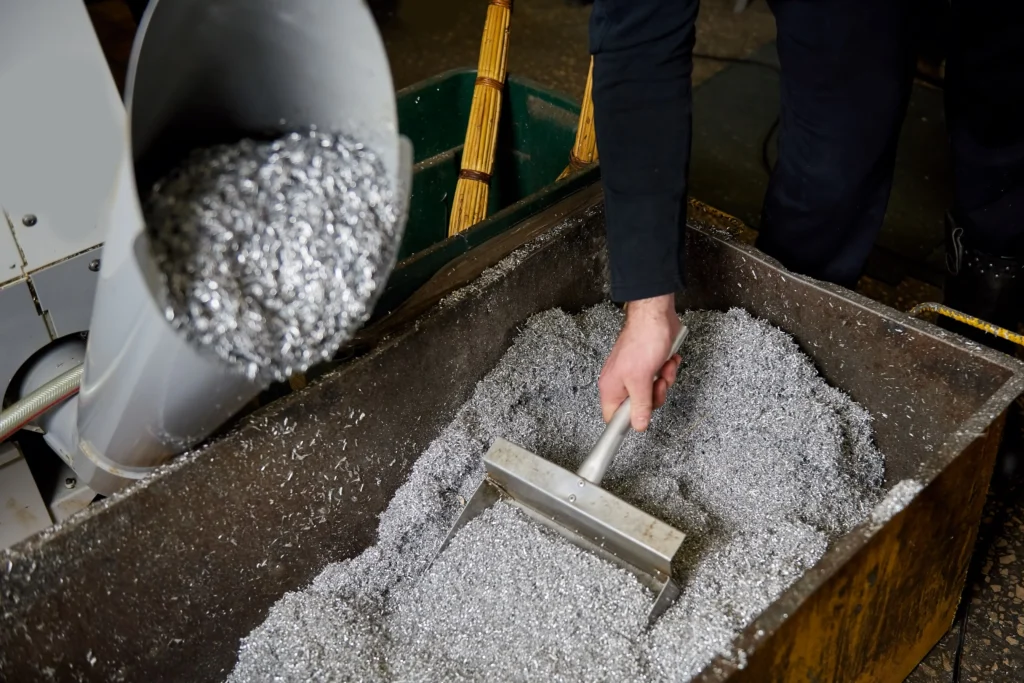
Reflective insulation, while effective in blocking radiant heat, has several notable disadvantages. Its performance is highly dependent on having an adjacent air gap; without this gap, its reflective properties are significantly reduced. It offers minimal resistance to conductive heat flow, so it is often insufficient as a standalone insulation material in many climates and must be combined with bulk insulation like fiberglass. The material, typically aluminum foil laminated to paper or plastic, can be easily torn or punctured during installation. It is also vulnerable to dust and corrosion, which can degrade its reflective surface over time. Furthermore, it is generally ineffective in unconditioned spaces like attics if not installed with a precise air space, and it provides no sound dampening qualities.
Reflective insulation, often made from aluminum foil laminated to paper or plastic, is generally considered a cost-effective option compared to many traditional bulk insulation materials like fiberglass batts or spray foam. Its primary cost advantage lies in its ability to effectively block radiant heat, which is a major source of heat transfer in attics and walls, especially in hot climates. While the material itself is often less expensive per square foot, professional installation is crucial to ensure proper air gaps are maintained for optimal performance. For a typical residential attic, the total installed cost is usually moderate, but it can vary based on your home's size, existing conditions, and local labor rates. It offers excellent long-term value through reduced energy bills.
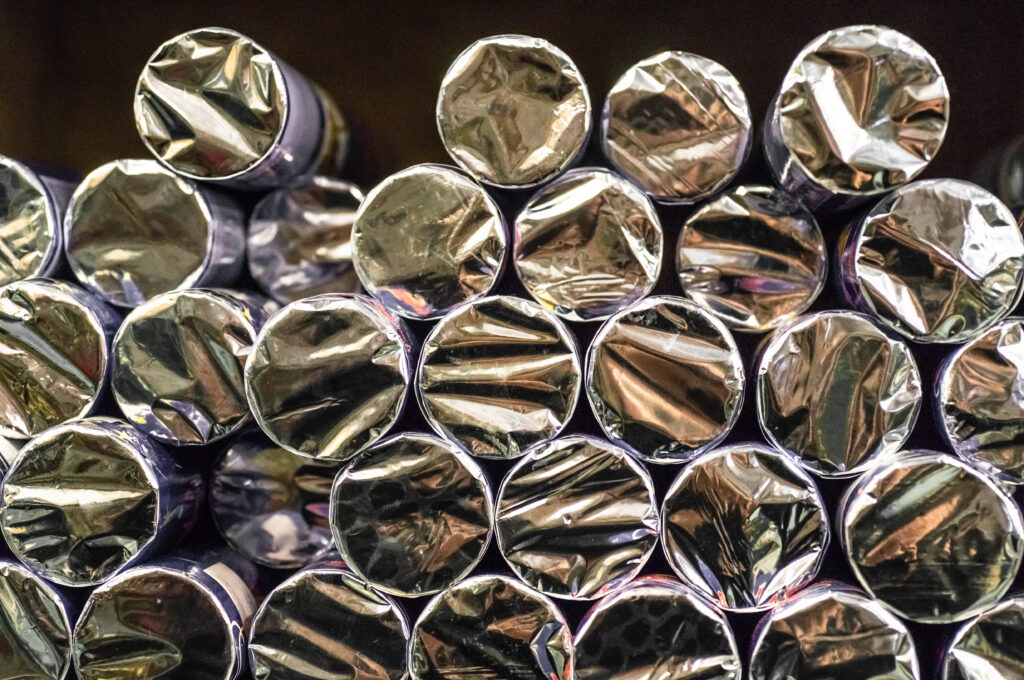
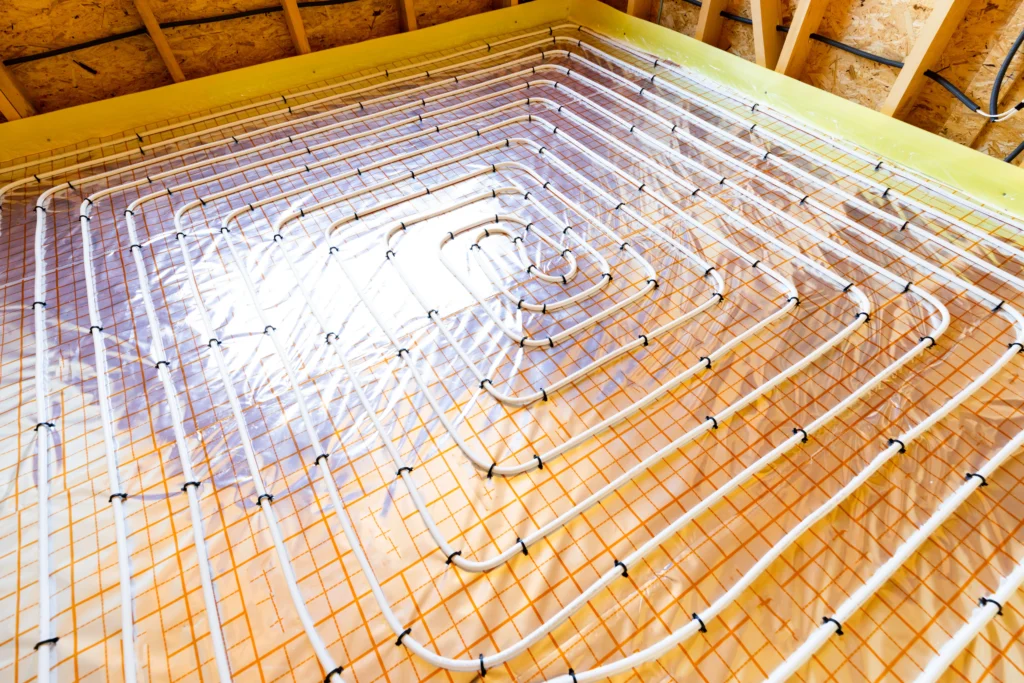
Reflective insulation, often called radiant barrier insulation, is designed to reduce heat transfer by reflecting radiant heat rather than absorbing it. It is typically made from aluminum foil laminated to paper or plastic and is most effective when installed with an air gap facing an open space, such as in attics. Its primary function is to block radiant heat gain in summer and heat loss in winter, complementing traditional bulk insulation like fiberglass or cellulose. For hot climates, it can significantly reduce cooling loads by lowering attic temperatures. However, its effectiveness depends heavily on proper installation and climate; it is not a standalone solution for all insulation needs and works best as part of a comprehensive home energy efficiency system.
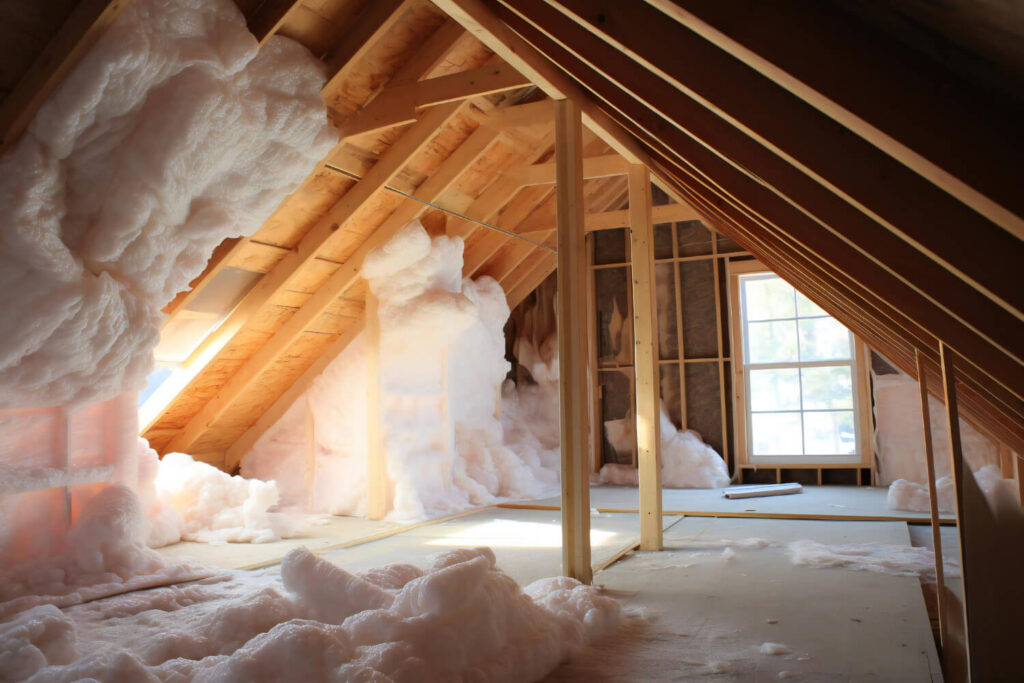
The cost to insulate a 2000 sq ft area varies widely based on the type of insulation, labor, and regional pricing. For a typical attic using fiberglass batts, you might expect a range of $1,500 to $3,000. For blown-in cellulose or fiberglass, the cost often falls between $1,700 and $2,500. High-performance materials like spray foam are significantly more expensive, potentially ranging from $3,500 to over $7,000 for the same area. These are general estimates; the final price depends on factors like the existing insulation's condition, the desired R-value, accessibility of the space, and local labor rates. It is always best to obtain multiple detailed quotes from professional insulation contractors for an accurate assessment.
Reflective insulation is an effective solution for homes in Conroe, Texas, where hot and humid summers significantly increase cooling demands. This type of insulation works by reflecting radiant heat away from the living space, typically using materials like aluminum foil laminated to paper or plastic. It is often installed in attics, under roofs, or in wall cavities. For Conroe's climate, proper installation is crucial to ensure an air gap, which is necessary for the reflective surface to work effectively. This can complement traditional bulk insulation like fiberglass, helping to reduce heat gain, lower energy bills, and improve overall indoor comfort by keeping homes cooler during the intense Texas summer.
20 reviews