Houston, TX Air Duct Cleaning Service & Insulation | Atticair
Reflective foil insulation, while effective in certain applications, has several notable disadvantages. Its primary limitation is that it only works effectively when facing an open air space, as it relies on reflecting radiant heat. If installed incorrectly or compressed, its performance drops significantly. It offers little to no resistance to conductive heat flow on its own, so it is often less effective in very cold climates where conductive and convective heat loss dominate. It can also be prone to condensation issues if not paired with proper vapor barriers, potentially leading to mold or material degradation. Furthermore, installation can be challenging, as the foil must be kept clean and free of dust to maintain its reflectivity, and it requires meticulous sealing at seams to be fully effective.
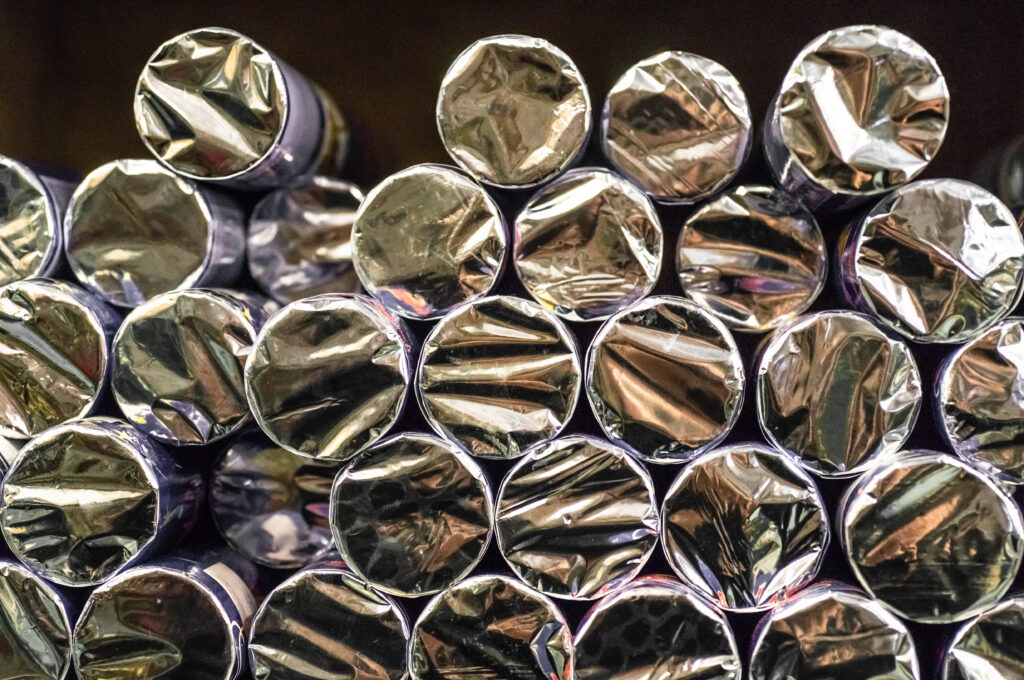
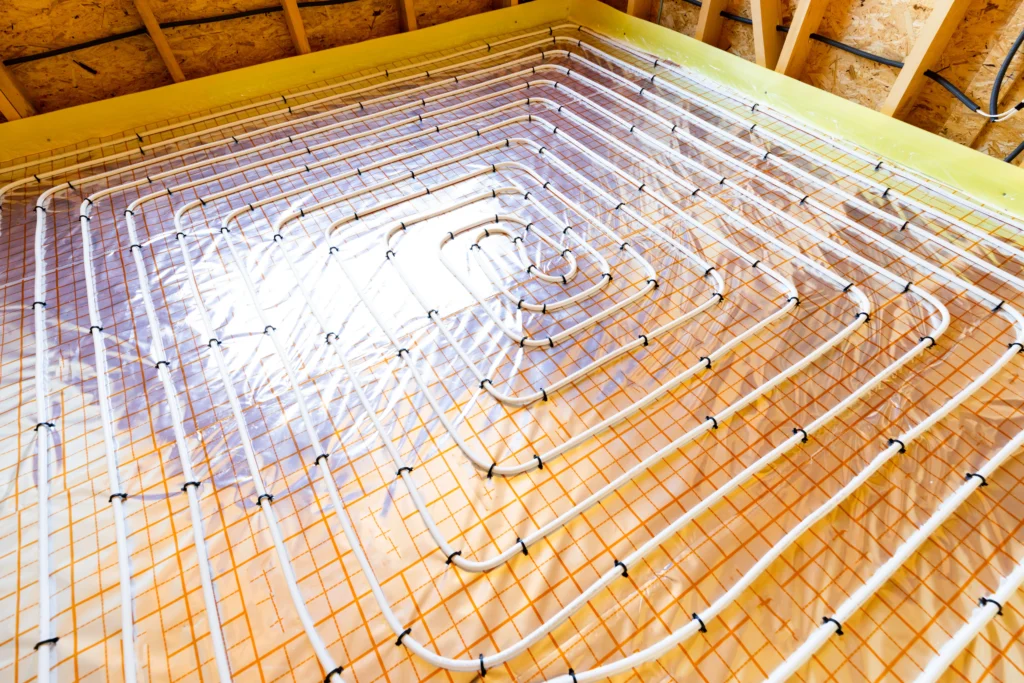
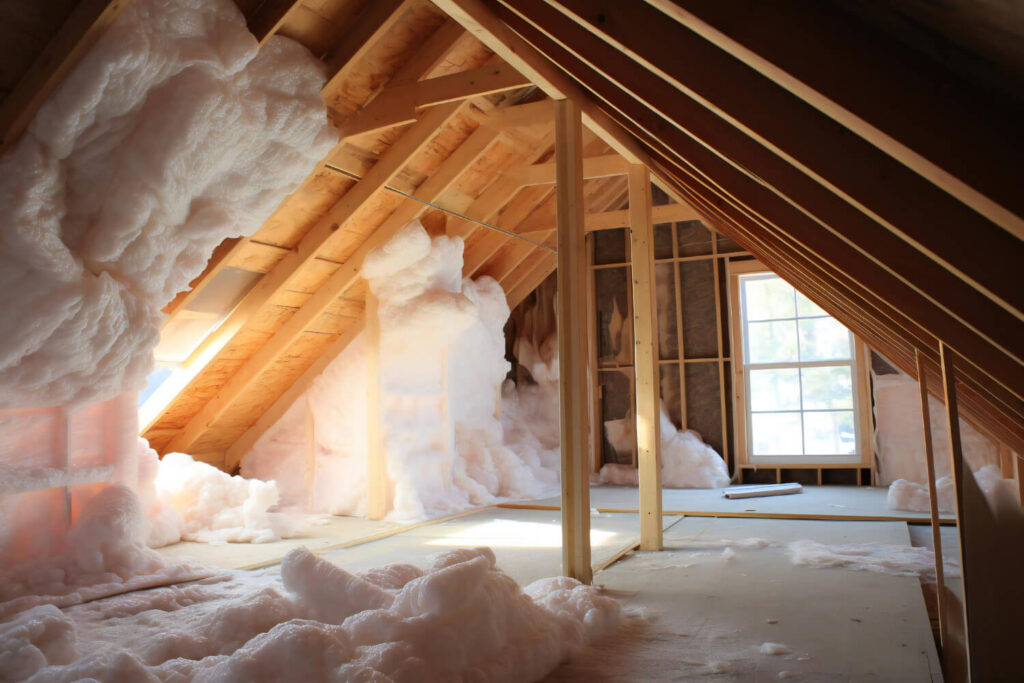
Reflective insulation, often called radiant barrier insulation, is designed to reduce heat transfer by reflecting radiant heat rather than absorbing it. It is typically made from aluminum foil laminated to paper or plastic and is most effective when installed in attics, where it faces an air space. Its performance is highly dependent on proper installation; it works best when the reflective surface is clean, faces an open air gap, and is not compressed by other materials. In hot climates, it can significantly reduce cooling costs by blocking radiant heat from the sun. However, it is not a replacement for traditional bulk insulation like fiberglass or cellulose, which resist conductive and convective heat flow. For optimal energy efficiency, reflective insulation is often used in conjunction with conventional insulation materials to address all forms of heat transfer.
Yes, foil insulation typically requires an air gap to function effectively. This type of insulation, often called reflective insulation, works by reflecting radiant heat. The air gap, usually at least 25mm (1 inch), is crucial because it provides a space for the reflective surface to work against. Without this gap, the foil can conduct heat directly through contact with other materials, significantly reducing its insulating performance. The gap should be positioned on the reflective side, facing the heat source (like a warm attic space in summer). Proper installation following manufacturer guidelines and local building codes is essential for achieving the stated R-value and ensuring energy efficiency in your home.
The concept of the "thinnest insulation with the highest R-value" refers to advanced vacuum insulation panels (VIPs) and aerogels. VIPs achieve remarkable thermal resistance, with R-values around R-25 to R-50 per inch, by creating a near-perfect vacuum within a sealed panel. Similarly, aerogel blankets, often used in specialized applications, can provide around R-10 per inch. These materials are significantly more efficient than traditional fiberglass (R-3 to R-4 per inch) or foam boards. However, they are substantially more expensive, require professional installation to avoid compromising their integrity, and are not typically used in standard residential attics or walls. For most homes, high-density spray foam or rigid polyiso foam boards offer a more practical balance of R-value per inch and cost.
Reflective insulation is an effective solution for homes in Baytown, Texas, due to the region's hot and humid climate. This type of insulation works by reflecting radiant heat away from living spaces, rather than just slowing conductive heat flow like traditional materials. It typically consists of a shiny aluminum foil layer laminated to a substrate like foam or plastic. For Baytown attics, installing reflective insulation under the roof rafters can significantly reduce heat gain, lowering cooling costs and improving indoor comfort. It is often used in conjunction with other insulation types for optimal performance. Proper installation is crucial, ensuring an air gap is maintained for the reflective surface to function effectively, and it should be part of a comprehensive home energy assessment.
Residential reflective insulation in Baytown involves installing specialized materials that reflect radiant heat, which is particularly effective in hot climates like Texas. This type of insulation typically consists of foil-faced materials, such as radiant barriers, installed in attics to reduce heat transfer into living spaces. Proper installation is crucial; it must be positioned with an air gap to function effectively by reflecting heat away. Homeowners should ensure the attic is properly ventilated and that any existing insulation is assessed for compatibility. For optimal energy efficiency and comfort, consulting with a local professional like Atticair is recommended to evaluate your specific home's needs and ensure installation meets industry standards, potentially lowering cooling costs significantly.
Reflective insulation in Baytown typically costs between $1.50 to $3.50 per square foot for materials and professional installation. The final price depends on several factors, including the specific type of reflective insulation (like radiant barrier foil), the size and complexity of the attic or crawl space, and the contractor's labor rates. For a standard residential attic, total project costs often range from $1,200 to $2,500. It is crucial to get multiple quotes from licensed and insured local contractors who can assess your home's specific needs. Proper installation is key to effectiveness, as the material must face an air gap to reflect radiant heat, which can significantly improve energy efficiency and comfort in Baytown's climate.
20 reviews