Houston, TX Air Duct Cleaning Service & Insulation | Atticair
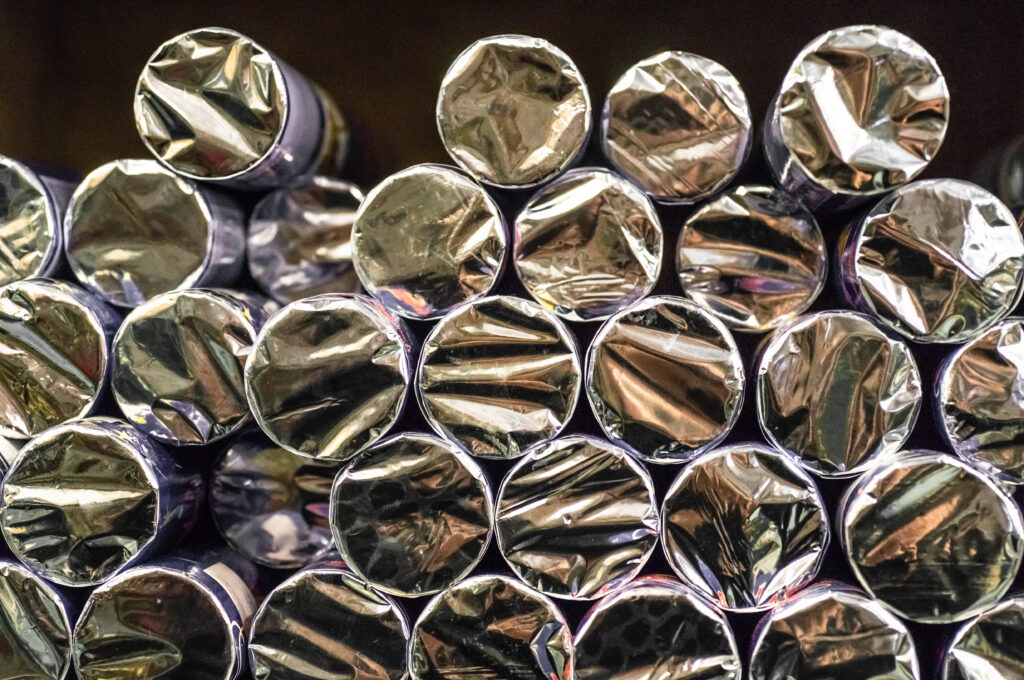
Reflective foil insulation, while effective in certain applications, has several notable disadvantages. Its primary limitation is that it only works effectively when facing an open air space, as it relies on reflecting radiant heat. If installed incorrectly or compressed, its performance drops significantly. It offers minimal resistance to conductive heat flow (low R-value per inch) compared to bulk insulation like fiberglass or foam. It is also vulnerable to punctures and tears during installation, which can compromise its reflective surface. Furthermore, dust accumulation on the foil surface greatly reduces its reflectivity over time. For these reasons, it is often best used as part of a hybrid insulation system in specific climates, rather than as a standalone solution.
Reflective insulation is generally considered a cost-effective option compared to many traditional bulk insulation materials like fiberglass or spray foam. The material itself, often composed of aluminum foil laminated to paper or plastic, is typically less expensive per square foot. However, the true cost includes professional installation, which is crucial for achieving the proper air gaps necessary for its radiant heat blocking performance. For many attics and wall applications, it offers excellent long-term value by significantly reducing cooling costs in hot climates. While upfront costs vary, its durability and energy-saving potential often provide a strong return on investment, making it a competitively priced choice in the insulation market.
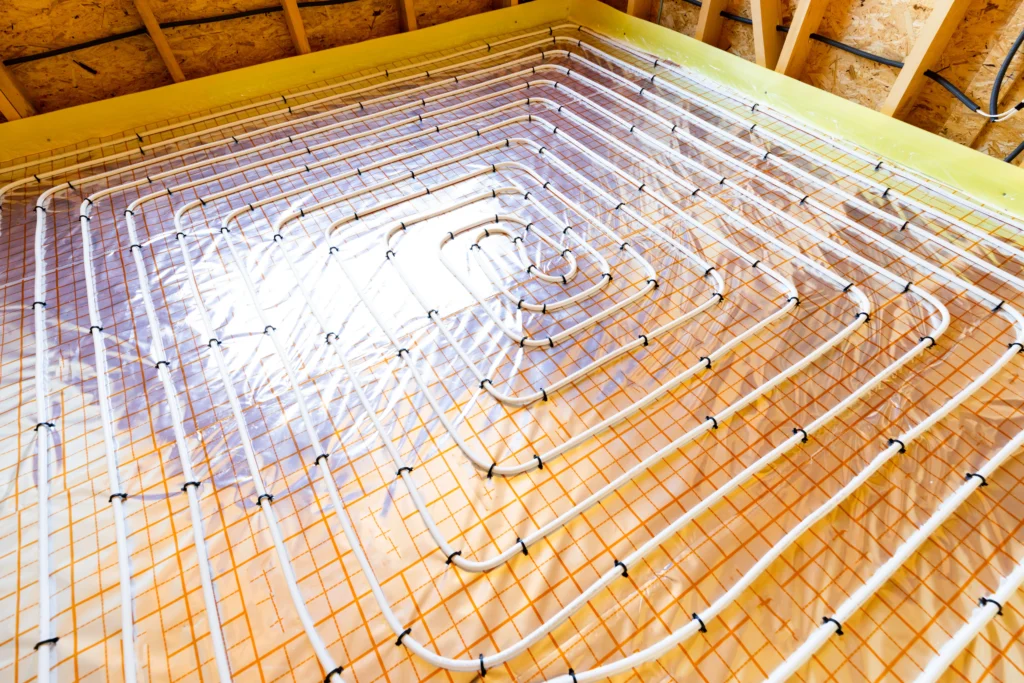
Reflective insulation, often called radiant barrier insulation, is designed to reduce heat transfer by reflecting radiant heat away from living spaces. It works effectively in specific applications, particularly in hot climates where it can block up to 97% of radiant heat when installed correctly in attics, helping to lower cooling costs. Its performance depends on proper installation with an air gap facing the heat source, as it is ineffective if compressed or covered. While it is not a replacement for traditional bulk insulation like fiberglass for conductive heat flow, it serves as a valuable supplement in improving overall thermal efficiency and comfort when used as part of a comprehensive insulation strategy.
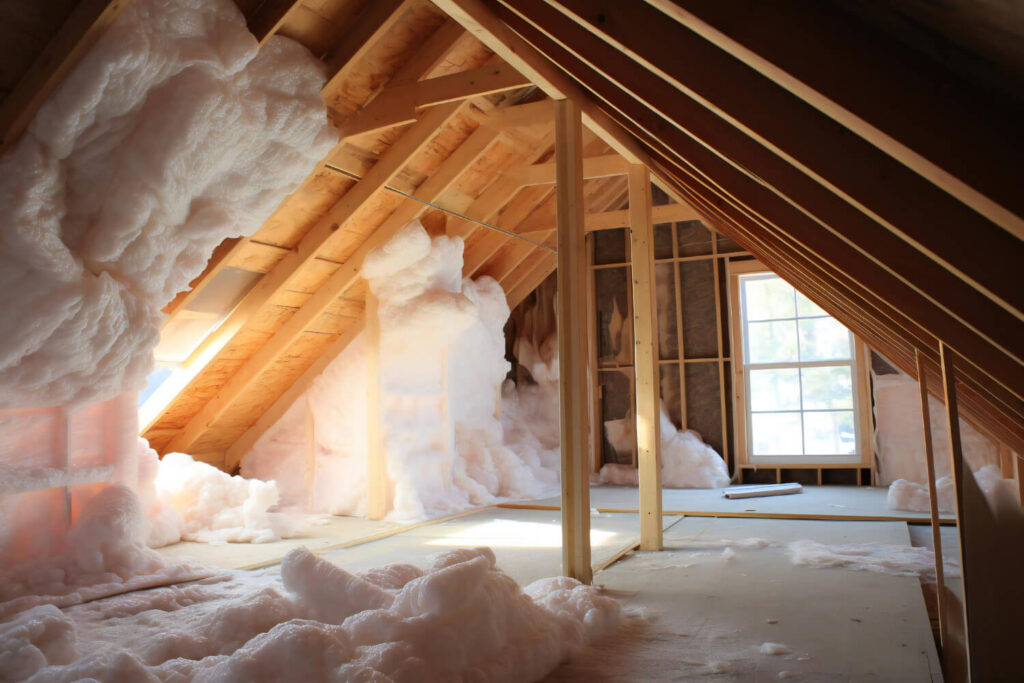
People are removing spray foam insulation primarily due to improper installation, which can lead to significant problems. If not mixed or applied correctly by a certified professional, the foam can fail to cure fully. This off-gassing can create persistent, strong chemical odors and potentially degrade indoor air quality. In some cases, the uncured foam can also trap moisture within wall cavities, leading to hidden mold growth and wood rot that compromises structural integrity. Removal is a complex, costly process often necessary to resolve these health and safety concerns, highlighting the critical importance of using highly qualified installers who follow manufacturer specifications precisely.
Reflective insulation is an effective solution for homes in Friendswood, Texas, particularly given the region's hot and humid climate. This type of insulation works by reflecting radiant heat away from the living space, which is crucial for reducing cooling costs during long summers. It is often installed in attics, where it can be applied to rafters or over existing insulation to create a radiant barrier. For optimal performance, it must face an air gap. Professional installation by a service like Atticair ensures the material is correctly positioned and integrated with your home's ventilation system to prevent moisture issues, which are common in coastal Texas. This upgrade can significantly improve energy efficiency and indoor comfort.
When considering the best reflective insulation in Friendswood, radiant barriers are a top choice for their ability to block radiant heat transfer, which is highly effective in our hot and humid climate. The most effective products typically feature a highly reflective aluminum foil surface facing an air gap. For optimal performance, professional installation is key to ensure the material is placed correctly, usually in the attic facing the roof deck. This setup can significantly reduce attic temperatures and lower cooling costs. For a detailed local case study, we recommend reading our internal article, Radiant Barrier in Friendswood, which provides specific insights and results for homes in the Friendswood area.
Reflective insulation in Friendswood typically costs between $1.50 to $3.50 per square foot for materials and professional installation. The final price depends on several factors, including the specific type of reflective insulation (like radiant barrier foil), the size and complexity of the attic or crawl space, and the contractor's labor rates. For a standard attic, total project costs often range from $1,200 to $2,500. It is a highly effective solution for reducing radiant heat transfer, which is crucial in the Texas climate to lower cooling costs. Homeowners should obtain multiple detailed quotes from licensed and insured contractors who can assess the home's specific needs and ensure proper installation for maximum energy efficiency and long-term savings.
20 reviews