Houston, TX Air Duct Cleaning Service & Insulation | Atticair
Reflective foil insulation, while effective in certain applications, has notable disadvantages. Its primary limitation is that it only works effectively when facing an open air space, as it relies on reflecting radiant heat. If installed incorrectly or compressed, its performance drops significantly. It offers little to no resistance to conductive heat flow on its own, so it is not a substitute for bulk insulation like fiberglass or cellulose in very cold climates. It can also be prone to condensation issues if not paired with a proper vapor barrier, potentially leading to mold or corrosion. Furthermore, installation can be tricky, as the foil must remain clean and bright to be effective, and it requires careful sealing at seams to prevent air gaps. For comprehensive home performance, it is often best used in combination with other insulation types in specific areas like attics or walls.
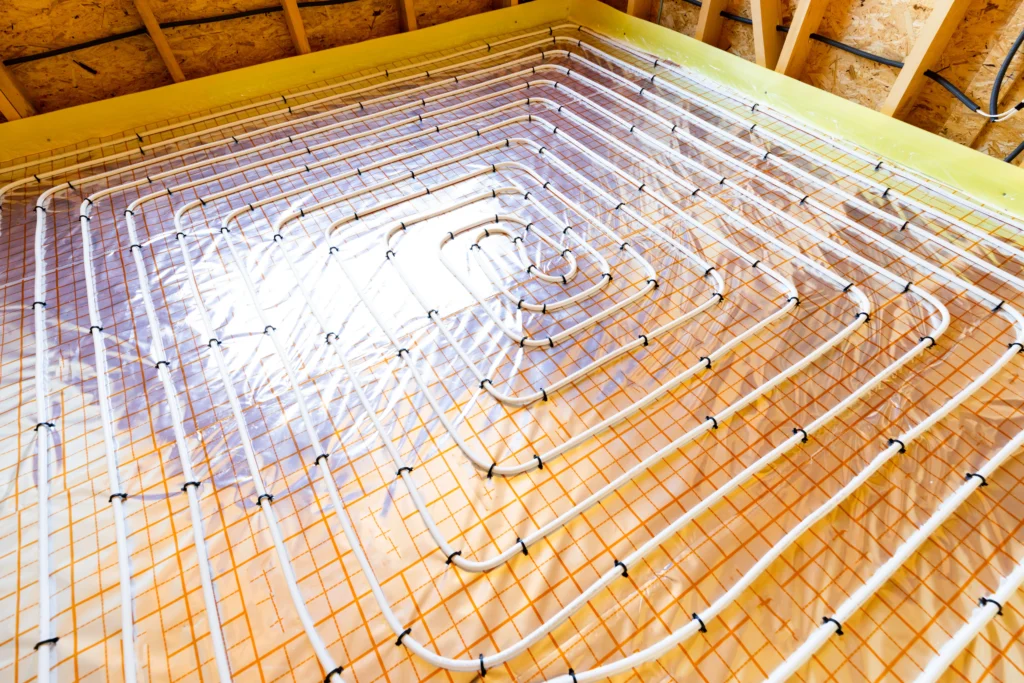
Reflective insulation can be a worthwhile investment in specific climates and applications. Its primary function is to radiant heat transfer, which is a major source of heat gain in hot, sunny climates. By installing it in attics, walls, or under roofs, it reflects radiant heat away from living spaces, potentially lowering cooling costs significantly. However, its effectiveness depends heavily on proper installation with an air gap facing the heat source; without this gap, performance plummets. In colder climates, its benefits are more limited compared to bulk insulation like fiberglass or cellulose, which better resist conductive heat flow. For optimal energy efficiency, a combination of reflective and traditional insulation is often recommended by professionals to address all forms of heat transfer.
Reflective insulation is generally considered a cost-effective option compared to many traditional bulk insulation materials like fiberglass or spray foam. The material itself, often aluminum foil laminated to paper or plastic, is relatively inexpensive to manufacture. However, the total installed cost can vary based on the specific product, the complexity of the installation, and whether it is used alone or as part of a hybrid system. For radiant heat control in attics, walls, or crawlspaces, it offers strong performance per dollar, particularly in hot climates. While not the absolute cheapest material available, its durability and energy-saving potential often provide a favorable return on investment over time, making it a budget-conscious choice for many homeowners.
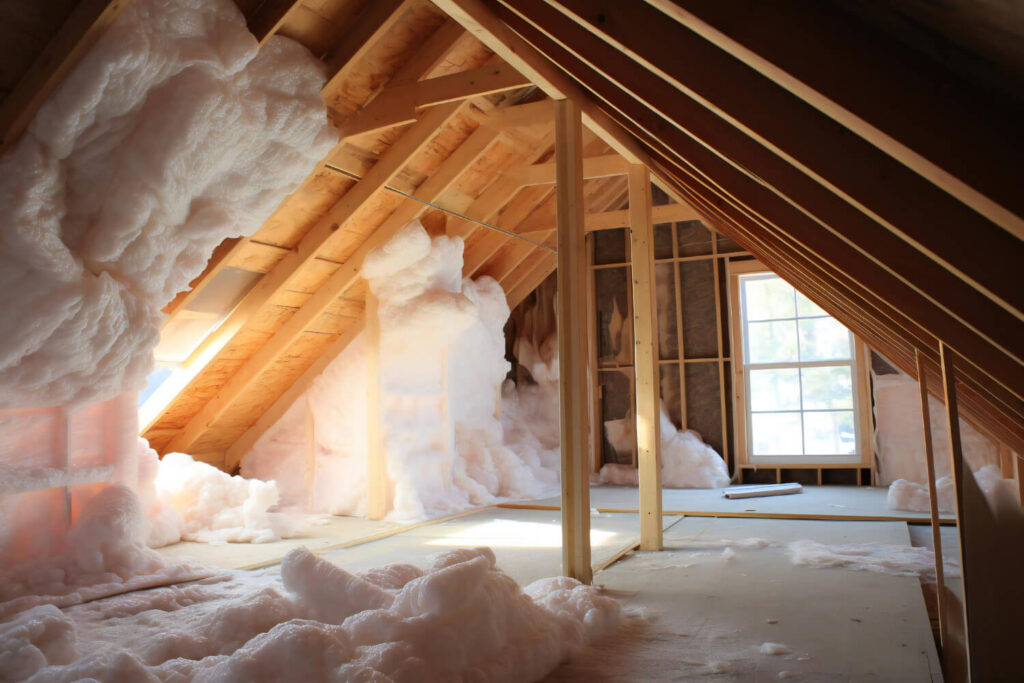
People are removing spray foam insulation primarily due to improper installation, which can lead to significant problems. If not mixed or applied correctly, the foam may fail to cure fully, releasing unpleasant and potentially harmful volatile organic compounds (VOCs) into the indoor air. This can cause persistent odors and health concerns. Another key reason is moisture entrapment; if spray foam is applied to a roof deck or in areas with existing leaks, it can trap moisture against wood, leading to hidden rot and structural damage that goes undetected until it is severe. Removal is often necessary to address these safety and structural issues, allowing for proper repairs and a new, correctly installed insulation system.
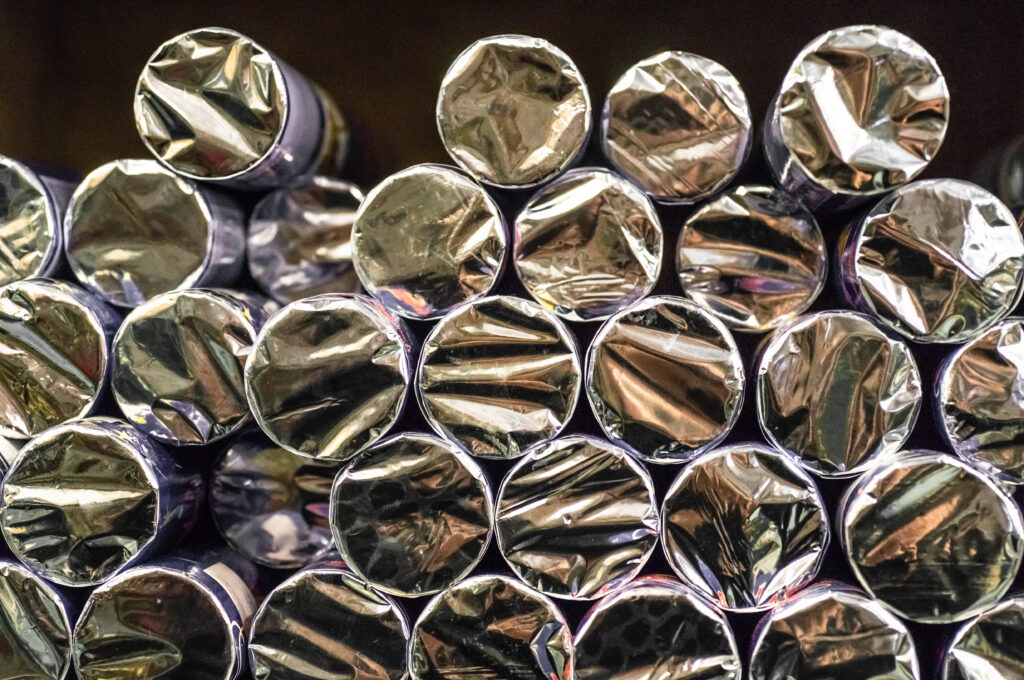
Reflective insulation is an effective solution for homes in Kingwood, Texas, particularly given the region's hot and humid climate. This type of insulation works by reflecting radiant heat away from the living space, rather than just slowing conductive heat flow. It typically consists of a shiny aluminum foil surface laminated to a substrate like foam or plastic bubbles. For Kingwood attics, installing reflective insulation under the roof rafters can significantly reduce heat gain, lowering cooling costs and improving indoor comfort. It is often used in conjunction with traditional bulk insulation like fiberglass for a comprehensive thermal barrier. Proper installation is crucial, ensuring an air gap is maintained for optimal reflective performance. Always consult with a local professional to assess your specific attic's needs and ensure compliance with building codes for energy efficiency and safety.
Residential reflective insulation is an effective solution for homes in Kingwood, especially given the local climate. This type of insulation works by reflecting radiant heat away from the living space, rather than just slowing its transfer. It typically consists of a shiny aluminum foil surface laminated to a substrate like foam or plastic bubbles. When properly installed in attics—often facing an air gap—it can significantly reduce cooling costs by keeping attic heat from radiating into the home below. For Kingwood residents, this can lead to improved comfort and lower energy bills, particularly during hot and humid summers. It's crucial to ensure professional installation to maximize performance and avoid issues like condensation, which can compromise effectiveness and indoor air quality.
Reflective insulation in Kingwood typically costs between $1.50 to $3.50 per square foot for materials, with professional installation adding $2 to $4 per square foot. The total price for a standard home attic can range from $1,500 to $4,000, depending on the attic's size, accessibility, and the specific product chosen, such as radiant barrier foil or reflective bubble insulation. Key factors influencing cost include the existing insulation's condition, whether radiant barriers are installed on rafters or over existing insulation, and local labor rates. For an accurate estimate, homeowners should obtain quotes from licensed, insured contractors who assess the attic's specific needs, ensuring the reflective system is properly installed with an air gap to maximize its effectiveness in reflecting radiant heat.
20 reviews