Houston, TX Air Duct Cleaning Service & Insulation | Atticair
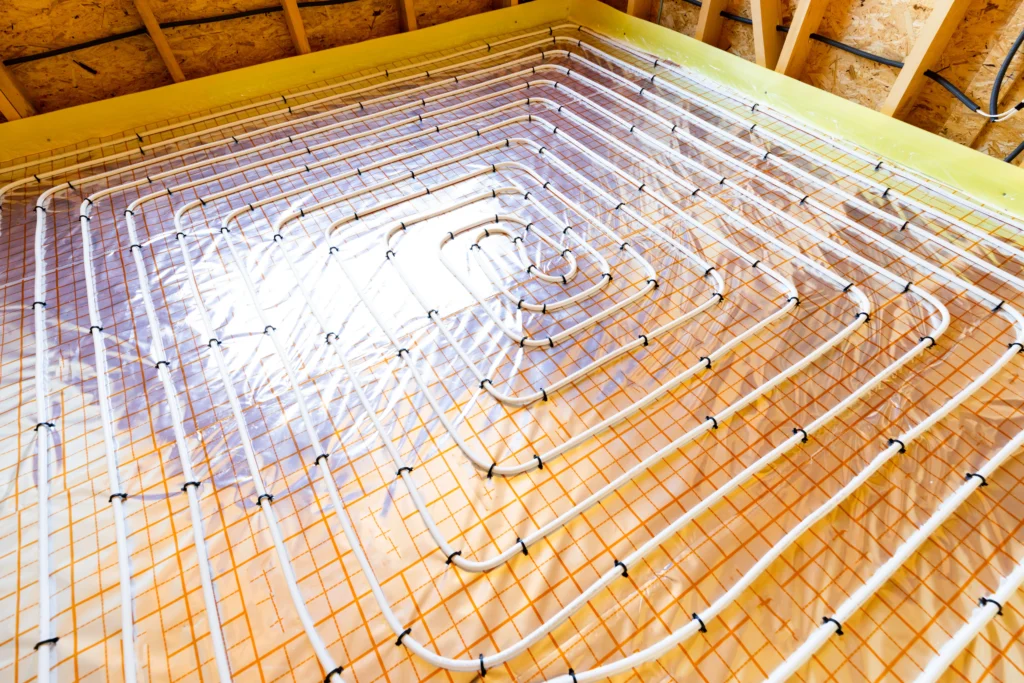
Reflective insulation, often called radiant barrier insulation, follows specific rules for effective installation. It must face an air gap of at least 3/4 inch to function properly, as it works by reflecting radiant heat, not by absorbing it. The reflective surface, typically aluminum foil, should be installed facing the heat source—like towards the attic space in hot climates to reflect summer heat away. It is crucial that the material remains clean and dust-free, as dust accumulation significantly reduces its reflectivity. For optimal performance, it is often used in conjunction with other insulation types like fiberglass or cellulose to address all forms of heat transfer (conduction and convection as well as radiation). Professional installation ensures proper sealing and placement to meet building code requirements.
Reflective foil insulation, while effective in certain applications, has notable disadvantages. Its primary limitation is that it only effectively resists radiant heat transfer; it does little to slow conductive or convective heat flow. Therefore, it must be installed with an air gap to function correctly, adding complexity. It is also vulnerable to dust and condensation, which can drastically reduce its reflectivity and performance over time. In cold climates, it can be less effective if not part of a comprehensive system, as it provides minimal inherent R-value. The material can be easily torn or punctured during installation, compromising its air barrier properties. For whole-house performance, building codes often require insulation with higher tested R-values, which foil alone typically cannot provide.
Reflective insulation is best used in specific applications where its ability to block radiant heat is most effective. Its primary use is in attics, particularly in hot climates, where it is installed under the roof rafters to reflect solar heat away from the living space, reducing cooling loads. It is also highly suitable for wall cavities, especially in metal buildings, and for insulating crawl spaces and basements. A critical requirement is that it must face an air gap of at least 3/4 inch to function properly, as it works by reflecting radiant energy and does not provide substantial resistance to conductive heat flow on its own. It is not a substitute for bulk insulation like fiberglass in cold climates but is an excellent supplemental barrier against radiant heat transfer.
Reflective insulation can be a good choice for basement walls in specific scenarios, but it is not a universal solution. Its primary function is to radiant heat transfer, which is most effective when facing an open air space. In a typical basement where insulation is placed directly against concrete or block walls, the lack of an air gap significantly reduces its reflective properties. For basements, industry standards typically prioritize materials that address moisture control and thermal bridging, such as rigid foam board or spray foam insulation, which provide a continuous thermal break and vapor barrier. Reflective insulation is best used in conjunction with other materials, like in a framed wall assembly where it can be installed with the required air gap facing the interior conditioned space.
Double bubble foil insulation typically has an R-value ranging from R-3 to R-6, depending on the specific product and installation conditions. This type of reflective insulation works primarily by resisting radiant heat transfer, with its effectiveness highly dependent on having an adjacent air space. The stated R-value is often a cumulative measure that includes the foil layers and the enclosed air bubbles. It is crucial to note that its performance is not additive when installed over traditional mass insulation like fiberglass. For best results, proper installation following manufacturer guidelines is essential, ensuring the reflective surface faces an open air gap. This insulation is often used in attics, walls, and crawl spaces for thermal and moisture control.
Reflective bubble insulation for windows is a cost-effective solution to improve energy efficiency and indoor comfort. This material consists of layers of polyethylene bubbles sandwiched between reflective foil surfaces, which work by reflecting radiant heat. When installed correctly on window interiors, it can significantly reduce heat loss in winter and heat gain in summer, leading to lower energy bills. Proper installation is key; it typically involves cutting the insulation to fit the window pane and securing it with double-sided tape to create an airtight seal. While highly effective, it does block natural light and views, so it is often used in seasonal applications or in areas like attics and basements where light is less critical. For optimal home performance, it should be part of a broader insulation strategy.
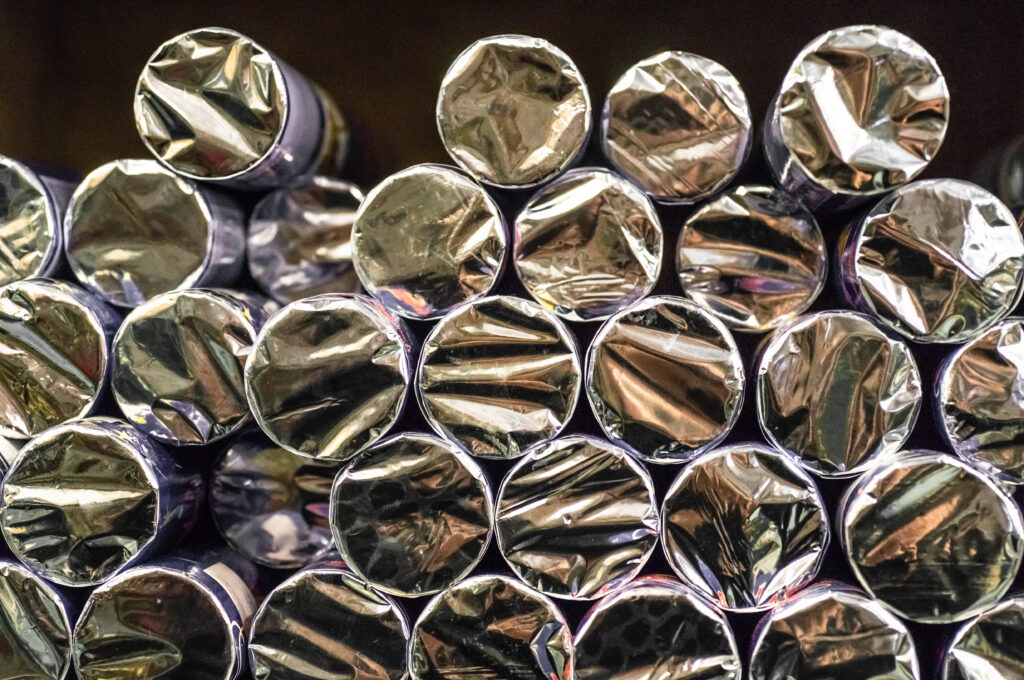
Reflective bubble insulation, often available at Home Depot, is a radiant barrier product designed to enhance energy efficiency in homes. It typically consists of a layer of bubble wrap sandwiched between two reflective foil surfaces. This construction works by reflecting radiant heat away from living spaces, which is particularly effective in attics, walls, and crawl spaces to reduce heat transfer. When installing, it is crucial to follow manufacturer guidelines and local building codes, ensuring an air gap is maintained next to the reflective surface for optimal performance. Proper installation helps lower heating and cooling costs, though it should be part of a comprehensive insulation strategy. For specific product recommendations and installation advice, consulting with a professional insulation service is advisable to ensure it meets your home's unique needs.
Double bubble insulation is a reflective insulation product consisting of two layers of polyethylene bubbles sandwiched between two reflective foil surfaces. When installed under a metal roof, it primarily works by reflecting radiant heat, which is a significant contributor to heat gain in metal structures. For proper installation, it is crucial to create an air gap, typically by strapping or furring, between the insulation's reflective surface and the underside of the roof panels. This gap is essential for the radiant barrier to function effectively. This type of insulation is best for reducing summer cooling loads and can be part of a broader insulation strategy, but it has a low R-value for conductive heat flow. It is not a complete substitute for bulk insulation like fiberglass or spray foam in very cold climates, where conductive heat loss is the primary concern. Professional assessment is recommended to ensure it meets local building codes and the specific thermal requirements of the building.
20 reviews