Houston, TX Air Duct Cleaning Service & Insulation | Atticair

Reflective Insulation in Crosby

    Reflective covering can be considered one of the most efficient options to control the temperature in the house, minimize energy loss, and enhance the comfort of living purposes. Crosby is a warm and humid area, therefore with proper insulation, you will have your air conditioning unit to do less work, make your home cooler and save on electricity bills.

    It makes your living spaces comfortable and saves on energy even on the hottest days of Crosby whether you are upgrading an older home or building a new one, reflective insulation makes everything possible. Professional reflective insulation installation by our team assures of long-term comfort, sustainability, and performance reliability throughout the year.

    Professional Reflective Insulation Services

    Our reflective insulations are extensive and customized according to the specifications of Crosby homes. Each house is unique hence we thoroughly examine your house, know your comfort targets and prescribe the best form of reflective insulation that will save on the greatest amount of energy.

    Our services include

    Attic Reflective Insulation

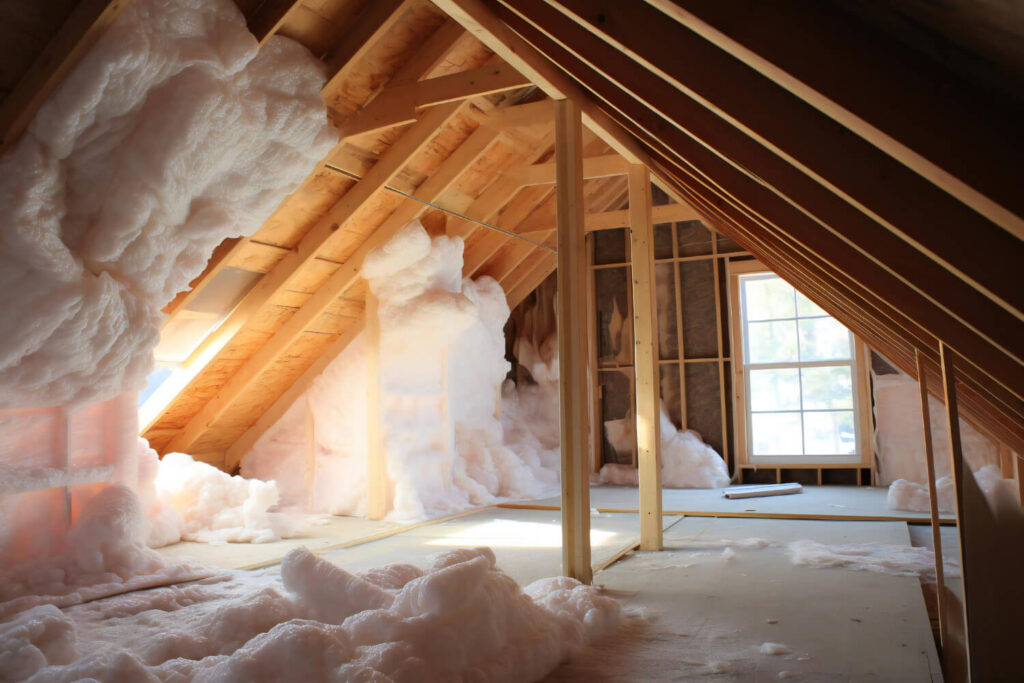
    High-performance reflective insulation in attics has been installed to prevent heat transfer, lower moisture, and enhance airflow. This eliminates wastage of energy, as it helps to make your house colder during summer and warmer during winter. Mold and moisture destruction is also reduced by proper attic insulation, which preserves the structure of your home. When your attic is well insulated, then your HVAC system is able to be efficient, which saves you on the power bills.

    Wall Reflective Insulation

    Wall insulations improve the comfort of the house and stabilize the temperature inside. This keeps the cooling and heating systems in your home more active because they will not have to use a lot of energy in order to keep the house cool or warm. There is also extra security against the humidity, drafts, and possible moisture problems.

    Garage & Exterior Wall Reflective Insulation

    Reflective insulation in garages and exterior walls decreases the heat penetration in Crosby during hot summer seasons. It keeps the house temperatures constant, reduces maintenance and load on HVAC systems and keeps your house dry. This service fits best in household owners who would want to have enhanced comfort in places near garages or walls facing the sun.

    Crawl Space & Basement Reflective Insulation

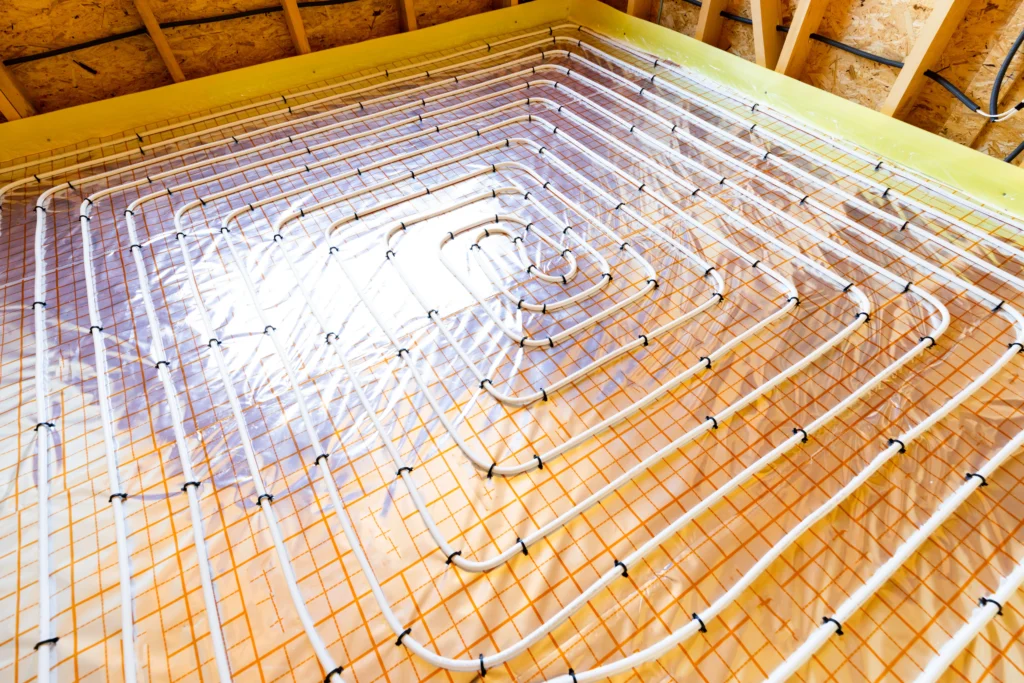
    Crawl spaces and basements should be lined with reflective insulation that stops any drafts, moisture, and energy loss at the bottom. The insulation of these spaces makes your house warmer during winter and cooler during summer, which makes it more comfortable. Mold and structural problems that are brought about by humidity are also eliminated by professional installation, which encourages a healthier indoor atmosphere.

    Client Reviews

    Our services

    Why Choose Us for Reflective Insulation?

    The appropriate insulation contractor should be chosen. Unprofessional installation may lead to leakages and energy wastage. Our team is already aware of Crosby homes, local climatic demands, and construction regulations. Our materials are of high quality, installation is done according to best practices, and we offer sustained outcomes.

    Here’s why homeowners trust us:

    Zip Codes we serve in Crosby

    Service Areas

    Get a Free Estimate for Reflective Insulation

    We are at your service in case you are willing to make your home more comfortable and save money on energy expenses. We will demonstrate why reflective insulation can also make your Crosby home cooler, quieter, and more efficient.

     Call now for a free estimate and see the difference quality insulation can make.

    People Also Ask

    Reflective foil insulation, while effective in certain applications, has several notable disadvantages. Its primary limitation is that it only works effectively when facing an open air space, as it relies on reflecting radiant heat. If installed incorrectly or compressed, its performance drops significantly. It offers minimal resistance to conductive heat flow (low R-value) on its own and provides no inherent air sealing. It can also be prone to condensation issues if not paired with proper vapor barriers, potentially leading to mold or corrosion. Furthermore, it is easily torn or damaged during installation and is generally less effective in colder climates where conductive and convective heat loss are more dominant than radiant heat gain.

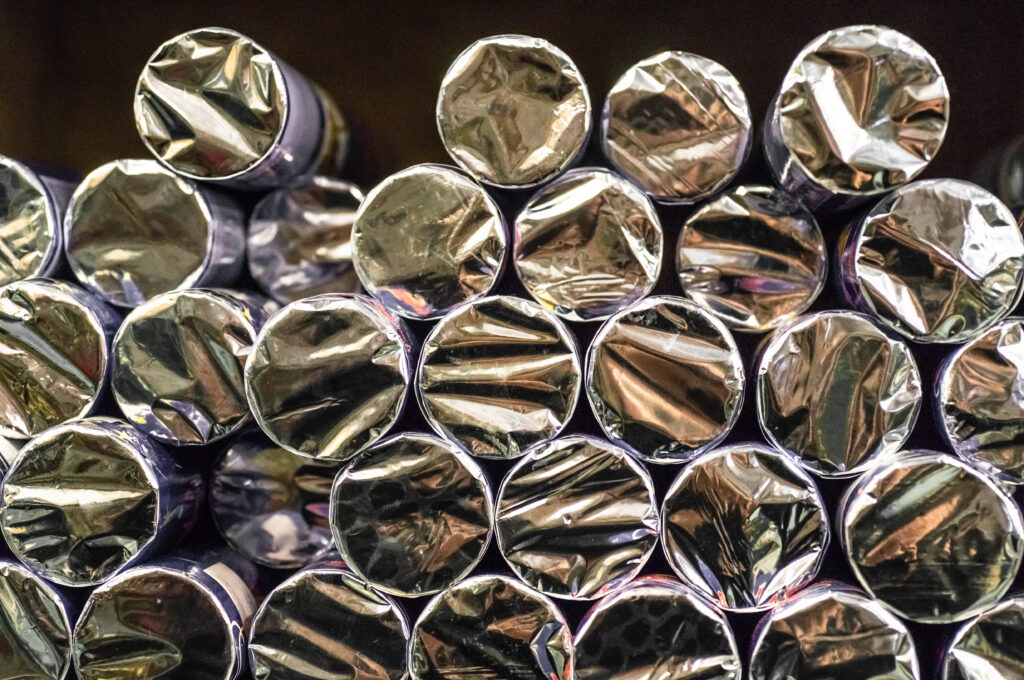
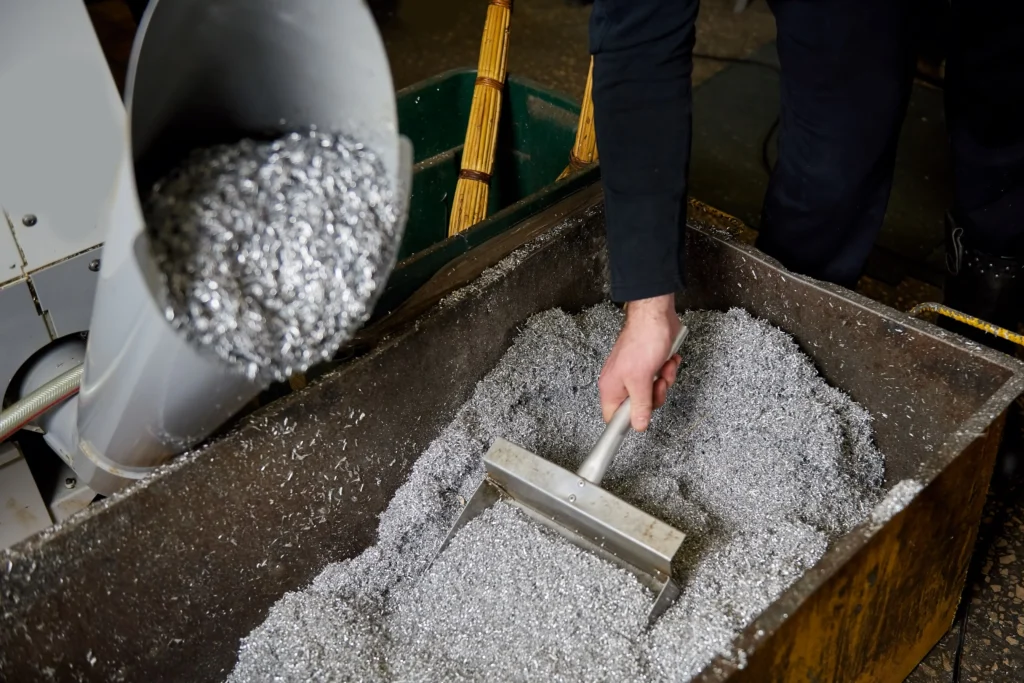
    Reflective insulation, often called radiant barrier insulation, is designed to reduce heat transfer by reflecting radiant heat away from living spaces. It works effectively in specific applications, particularly in hot climates where blocking radiant heat from the sun is crucial, such as in attics. The material typically consists of a shiny aluminum foil layer laminated to paper or plastic, and its performance depends on proper installation with an air gap facing the heat source. While it doesn't replace traditional bulk insulation like fiberglass for conductive heat resistance, it can complement existing systems to improve overall energy efficiency. Industry standards confirm its effectiveness for reducing cooling costs when installed correctly, but its benefits are less pronounced in colder climates where retaining heat is the primary goal.

    People are removing spray foam insulation primarily due to improper installation, which can lead to significant problems. If not mixed or applied correctly, the foam may fail to cure fully, releasing unpleasant and potentially harmful volatile organic compounds (VOCs) into the indoor air. This can cause persistent odors and health concerns. Another major reason is moisture entrapment; if spray foam is applied to a roof deck or in walls with existing or future leaks, it can trap moisture against wood, leading to hidden rot and structural damage that is costly to repair. In some cases, removal is necessary to address these moisture issues or to facilitate other renovations. Homeowners should always hire certified, experienced professionals for both installation and any necessary remediation.

    The cost to insulate a 1000 sq ft area varies significantly based on the insulation type, material, and labor. For a standard attic or walls, you can expect a broad range. Using common materials like fiberglass batts, costs might average between $1,000 to $2,500 for a DIY project. For professional installation of higher-performance materials like spray foam or cellulose, the price can range from $1,500 to $4,000 or more. Key factors influencing cost include the R-value (thermal resistance) required for your climate zone, the accessibility of the space, and whether old insulation needs removal. It is crucial to get multiple detailed quotes from certified professionals who assess your specific needs, as proper installation is vital for energy efficiency and performance.

    Google

    Overall Rating

    5.0
    ★★★★★

    20 reviews