Houston, TX Air Duct Cleaning Service & Insulation | Atticair
Reflective insulation, while effective in blocking radiant heat, has several notable disadvantages. Its primary limitation is that it only addresses radiant heat transfer and does not provide significant resistance to conductive or convective heat flow. This means it is often insufficient as a standalone insulation material in many climates and must be combined with other bulk insulation types. Its performance is also highly dependent on having a facing air gap; if this gap is compressed or filled, its effectiveness drops dramatically. Installation can be tricky, as it must be installed with the reflective surface facing an open air space. Furthermore, it offers no inherent soundproofing qualities and can be prone to dust accumulation on the reflective surface, which diminishes its radiant barrier properties over time.
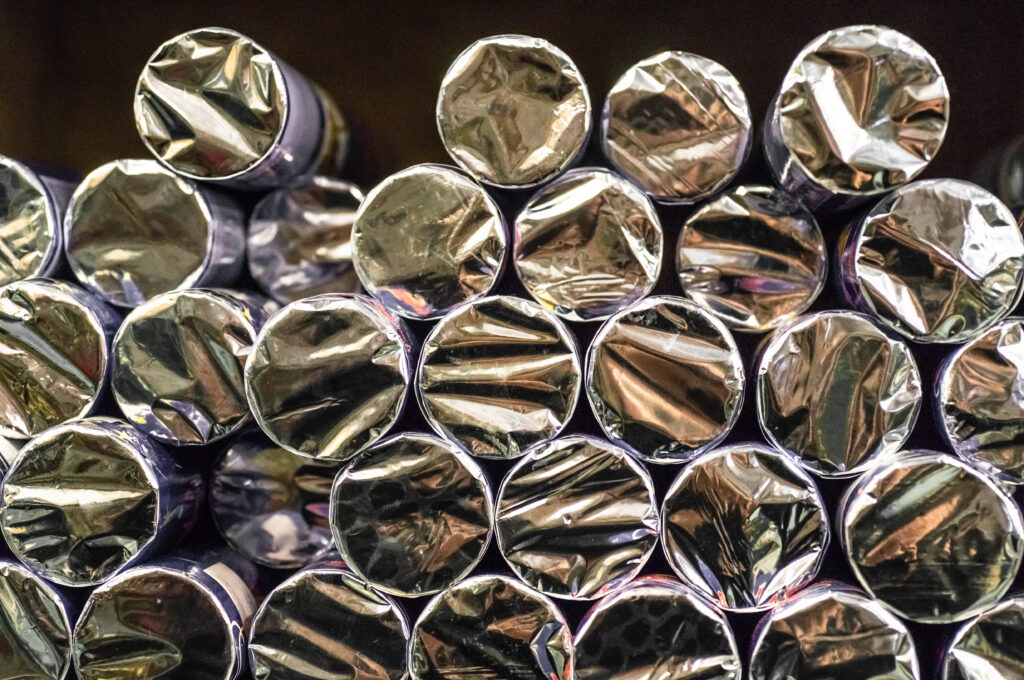
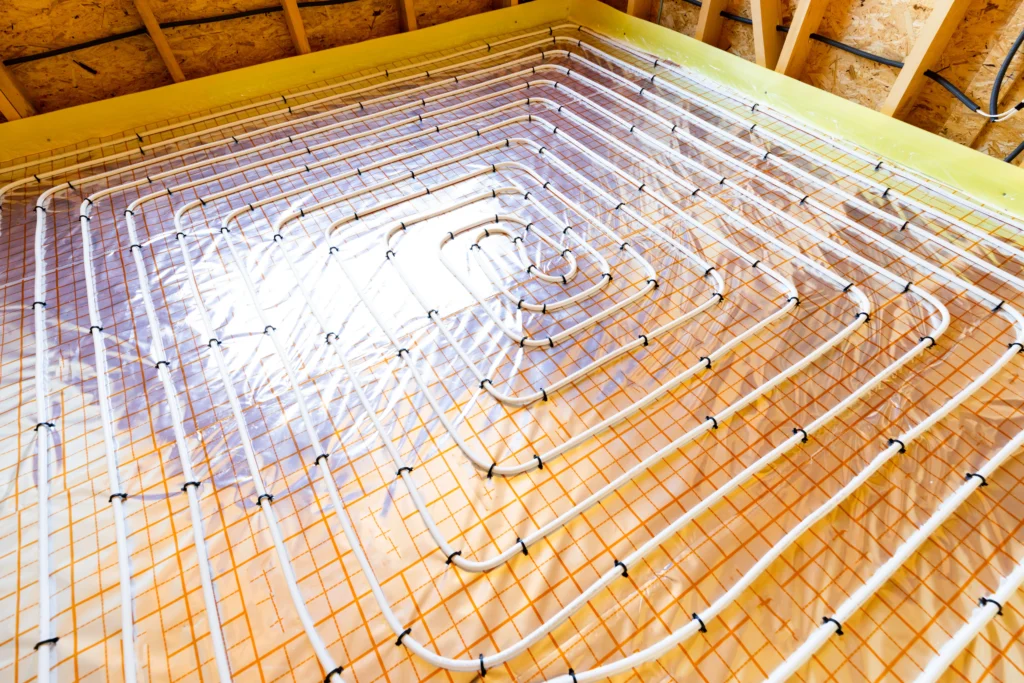
Reflective insulation, often called radiant barrier insulation, can be effective in specific applications when installed correctly. It works by reflecting radiant heat, rather than absorbing it, which is fundamentally different from bulk insulation like fiberglass or cellulose. Its performance is most notable in hot climates and in spaces like attics, where it can reduce radiant heat gain from the sun, potentially lowering cooling costs. For it to work properly, it must face an open air space and remain clean and dust-free, as dust accumulation significantly reduces its reflectivity. It is generally not a standalone solution for most homes in colder climates, where resisting conductive heat flow is more critical. Industry standards recommend using it in conjunction with traditional bulk insulation for a comprehensive thermal envelope.
The cost to insulate a 1000 sq ft area varies significantly based on the insulation type, material, and labor. For a standard attic or walls, you can expect a broad range. Using common materials like fiberglass batts, costs might average between $1,000 to $2,500 for a DIY project. For professional installation of higher-performance materials like spray foam or blown-in cellulose, the price can range from $1,500 to $4,000 or more. Key factors affecting price include the material's R-value (thermal resistance), the complexity of the installation, your geographic location, and whether old insulation needs removal. It is highly recommended to obtain multiple detailed quotes from certified professionals who can assess your specific needs for optimal energy efficiency and air quality.
Foil insulation, often called reflective insulation, has a primary disadvantage in its performance being highly dependent on installation conditions and air gaps. Its core function is to reflect radiant heat, not to resist conductive heat flow like bulk insulation materials. To be effective, it must face a substantial air space; if installed flush against another material like drywall, its reflective properties are severely diminished. It also offers minimal R-value on its own, meaning it is generally insufficient as a sole insulation layer in most climates and building codes. Furthermore, it can be easily compromised by dust accumulation or moisture on the reflective surface, which reduces its reflectivity. For these reasons, it is typically used in conjunction with other insulation types in specific applications like attics or wall cavities.
You can purchase reflective insulation from several home improvement stores and specialized suppliers in Fresno. Major retailers like Home Depot and Lowe's carry products such as radiant barrier foil insulation. For a wider selection, consider visiting local insulation supply companies or HVAC parts distributors. It is advisable to consult with a professional, like Atticair, to determine the correct type—such as single or double-sided foil—for your specific attic or crawl space application. Proper installation is crucial; air gaps are required for the reflective surface to effectively block radiant heat, improving energy efficiency. Always check product ratings and ensure it meets local building codes.
Residential reflective insulation in Fresno is a smart choice due to the region's hot, sunny climate. This type of insulation works by reflecting radiant heat away from the home, rather than just slowing its transfer. It is often installed in attics, where it can significantly reduce cooling loads by keeping heat from penetrating the living spaces below. For optimal performance in Fresno's environment, it should be combined with proper attic ventilation and often supplemented with traditional bulk insulation like fiberglass to address conductive heat flow. Professional assessment and installation are crucial to ensure the reflective material is oriented correctly with the necessary air gap, maximizing energy savings and improving home comfort year-round.
For the most affordable reflective insulation options in Fresno, homeowners should consider both material costs and professional installation. Reflective insulation, often called radiant barrier, typically consists of aluminum foil laminated to paper or plastic. The cheapest versions are single-layer foil products, but these may not meet local building codes or provide optimal energy savings. It is crucial to check that any product carries the necessary certifications for California. While big-box retailers may offer lower upfront material costs, consulting with a professional insulation contractor ensures proper installation in the attic's unique environment—addressing air gaps and moisture—which is vital for long-term performance and realizing energy bill savings.
Reflective insulation costs in Fresno typically range from $1.50 to $3.50 per square foot for professional installation, depending on the project's complexity and materials used. This type of insulation, often using radiant barriers like foil-faced materials, is highly effective in hot climates like California's Central Valley. It works by reflecting radiant heat away from the home, which can significantly reduce cooling costs. The final price is influenced by factors such as attic accessibility, the existing insulation condition, and the specific product chosen. For an accurate estimate, it is best to schedule a professional assessment from a certified contractor who can evaluate your home's specific needs and recommend the most cost-effective and energy-efficient solution.
20 reviews