Houston, TX Air Duct Cleaning Service & Insulation | Atticair
Reflective foil insulation, while effective in certain applications, has several notable disadvantages. Its primary limitation is that it only works effectively when facing an open air space, as it relies on reflecting radiant heat. If installed incorrectly or compressed, its performance drops significantly. It offers little to no resistance to conductive heat flow on its own, so it is often less effective in very cold climates where conductive and convective heat loss dominate. Foil insulation can also be challenging to install perfectly, as gaps, tears, or improper sealing greatly reduce its effectiveness. Furthermore, it provides no sound insulation and in attics, dust accumulation on the foil surface can severely diminish its reflective properties over time.
Reflective insulation is generally considered a cost-effective option compared to many traditional bulk insulation materials like fiberglass or spray foam. The material itself often has a lower upfront cost per square foot. However, the total installed cost can vary significantly based on the specific product (like radiant barrier foil), the complexity of the installation area (such as an attic with many obstructions), and regional labor rates. For optimal energy savings, it must be installed with an air gap, which requires proper technique. While not the most expensive option, its true value is in reducing radiant heat transfer in hot climates, potentially leading to substantial long-term savings on cooling bills that offset the initial investment.
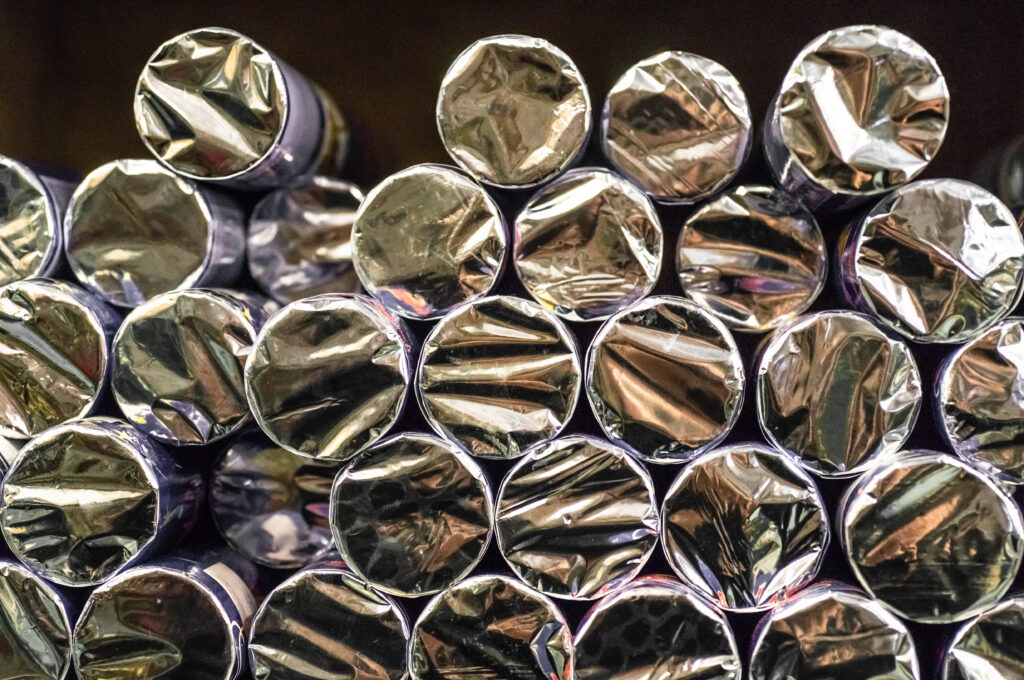
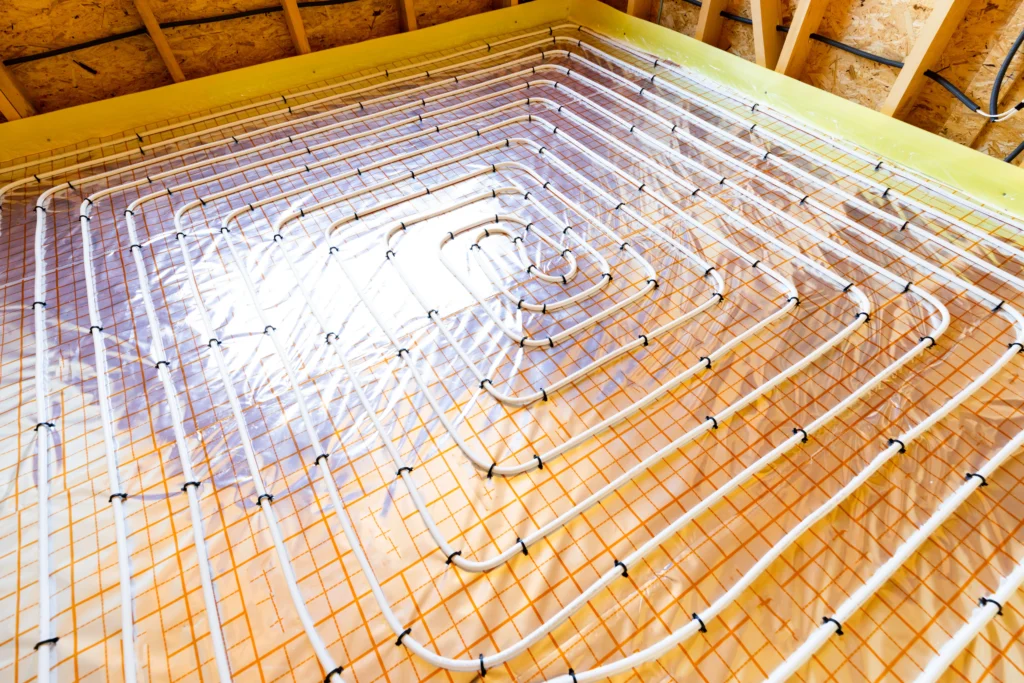
Reflective insulation, often called radiant barrier insulation, is designed to reduce heat transfer by reflecting radiant heat rather than absorbing it. It is most effective in hot climates, particularly in attics, where it can reflect solar radiation away from the living space. When installed correctly—typically with an air gap facing the heat source—it can significantly lower attic temperatures and reduce cooling costs. However, its performance is highly dependent on proper installation and environmental conditions. It is not a replacement for traditional bulk insulation like fiberglass or cellulose, which resist conductive and convective heat flow. For optimal energy efficiency, reflective insulation is best used in combination with conventional insulation, forming a comprehensive thermal barrier that addresses all modes of heat transfer.
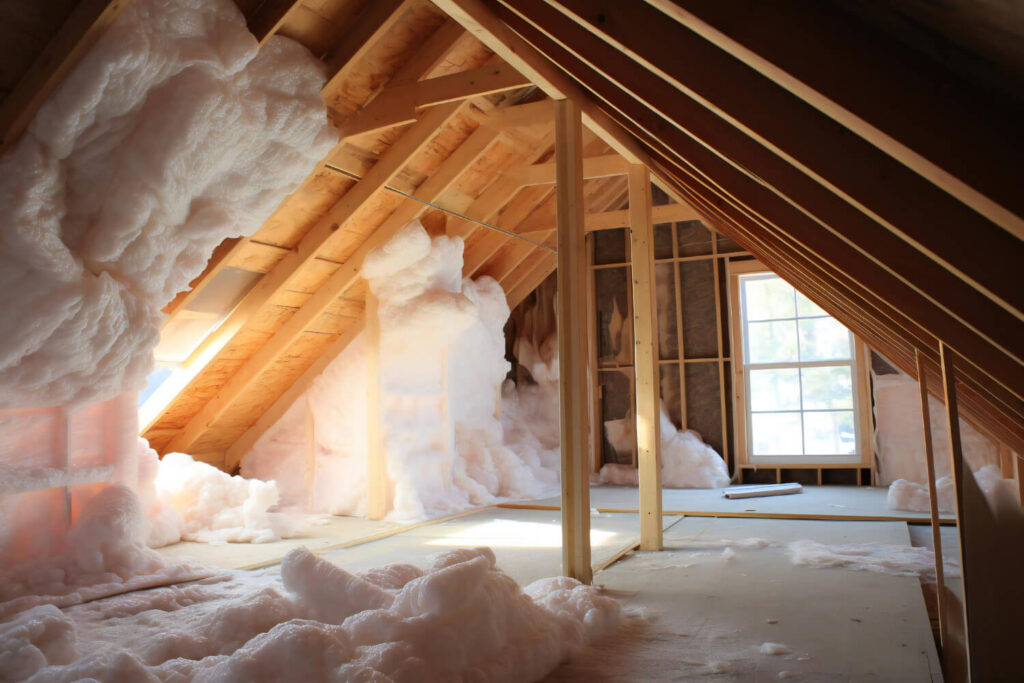
The cost to insulate a 2000 sq ft attic typically ranges from $1,500 to $4,500, with a national average around $2,500 to $3,500. The final price depends heavily on the insulation material chosen and the existing R-value you need to achieve. Blown-in fiberglass or cellulose is common for attics, costing $1 to $2 per square foot for materials and installation. If using higher-performance spray foam, costs can rise to $3 to $7 per square foot. Additional factors include your geographic location, the attic's accessibility, whether old insulation needs removal, and the desired R-value (often R-38 to R-60). For an accurate quote, it's best to schedule a professional assessment that measures your specific needs and local energy codes.
Residential reflective insulation in Pasadena is a smart choice for improving home energy efficiency, especially given the area's warm climate. This type of insulation works by reflecting radiant heat away from the living space, which is highly effective in attics and walls. For Pasadena homeowners, proper installation is key; it must face an air gap to function correctly and is often combined with other insulation types for maximum thermal resistance. Adhering to local building codes and hiring a certified professional ensures the system performs optimally, reducing cooling costs significantly and enhancing overall indoor comfort throughout the year.
When considering the best reflective insulation for homes in Pasadena, it is crucial to focus on products designed for the local climate, which features hot summers and mild winters. Radiant barrier systems, often using foil-faced materials, are highly effective for attics in this region as they reflect radiant heat away from the living space, reducing cooling costs. Look for insulation with a high reflectance (e.g., 95% or more) and proper emissivity ratings. Professional installation is key to ensuring an air gap is maintained, which is necessary for the reflective surface to work effectively. Always choose materials that meet California building codes and consider a combination with other insulation types for optimal thermal performance and energy savings year-round.
20 reviews