Houston, TX Air Duct Cleaning Service & Insulation | Atticair

Reflective Insulation in League City

    Reflective insulation is among the easiest solutions to the management of indoor temperatures, energy waste reduction, and enhanced comfort of your home. Proper insulation in a hot and damp place like League City would help your system of air conditioning run less, your house would be cooler, and your electricity bill would be lower.

    Reflective insulation would be appropriate when renovating an old house or constructing a new one. It has kept a comfortable indoor climate and consumed low energy even on the hottest days in League City. Our group offers professional reflective insulation installation that is guaranteed to be comfortable, energy-efficient, and functional all year round.

    Professional Reflective Insulation Services

    We provide complete reflective insulation services as per the needs of the homes in League City. Each home is different, and therefore we dedicate some time to analyse your home, knowing what you comfortably want and suggest to you the best type of reflective insulation to save energy in the long run.

    Our services include

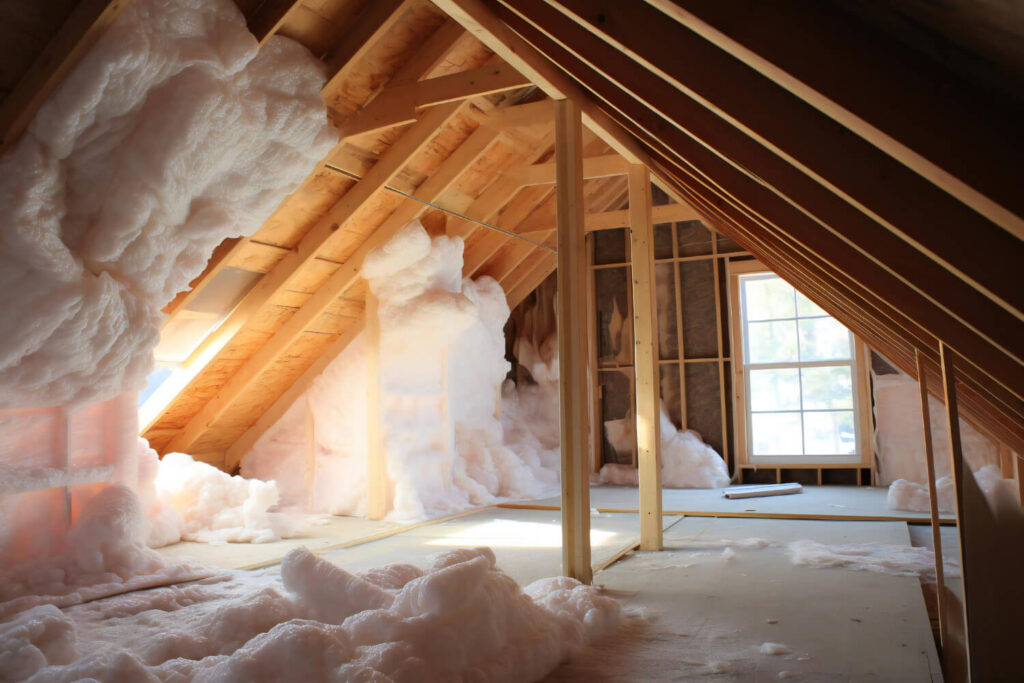
    Attic Reflective Insulation

    We place reflective insulation that is of high quality in the attic to prevent the transfer of heat, decrease moisture, and enhance the circulation of air. This stops wastage of energy since your house is cooler in summer and warmer in winter. Mold and moisture damage are also reduced by having the attic properly insulated, so that your home is not damaged by this damage. The HVAC system works well in a well-insulated attic, and one can save on energy costs.

    Wall Reflective Insulation

    The use of our wall insulation products helps to balance the temperatures inside the home and make the entire home comfortable. Your heating and cooling systems will be more effective by eliminating the ability to heat or cool the air by entering or leaving your building through the walls, causing an energy saving and keeping a consistent climate indoors. Extra insulation helps to prevent moisture, humidity, and drafts from the walls in the future, too.

    Garage & Exterior Wall Reflective Insulation

    Reflective insulation in garages and in exterior walls will reduce heat gain during the hot summers in League City. It aids in keeping the temperatures in the house steady, so that your HVAC system is also not overloaded. Insulated exterior walls are a better way of conserving energy, as well as ensuring that your property is not subjected to moisture, which makes this service best suited to the area that faces the sun, or one that is located in the vicinity of the garage.

    Crawl Space & Basement Reflective Insulation

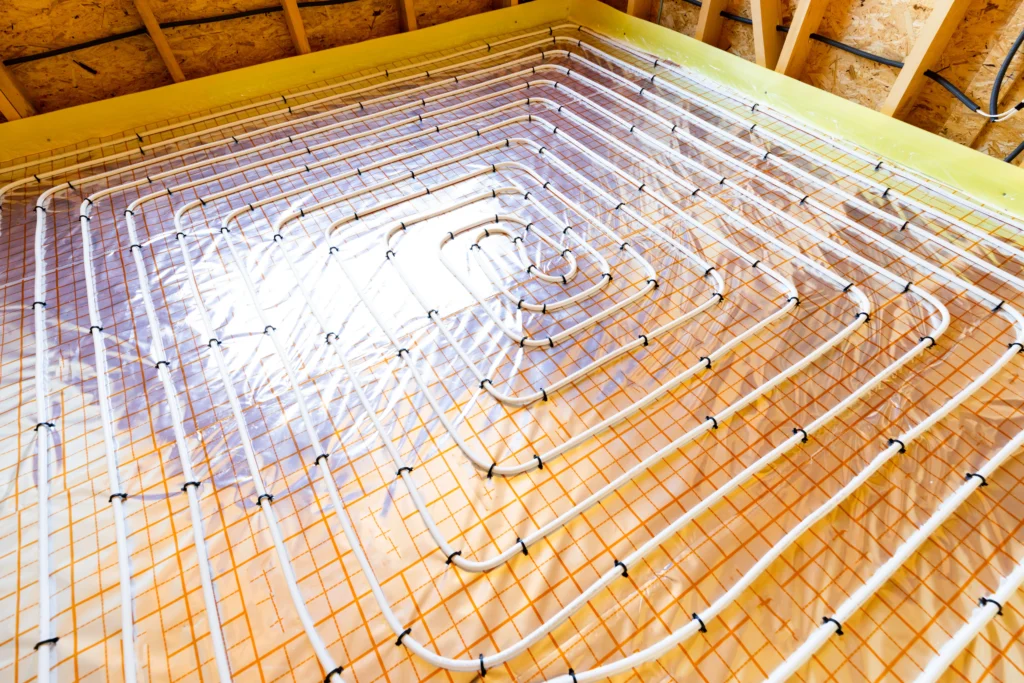
    Reflective insulation in the crawl spaces and basements prevents drafting, moisture intrusion, and loss of energy at the bottom. These regions are warmer during winter and cooler during summer, thus making your home more comfortable. Mold growth and structural damage brought about by humidity in these spaces are also avoided by insulating them, thus making the indoor environment healthier.

    Client Reviews

    Our services

    Why Choose Us for Reflective Insulation?

    It is important to pick the appropriate insulation contractor. Vitreous installation may result in gaps and moisture problems as well as energy wastage. Our team is aware of homes locally, climatic needs, and the building standards. Our materials are of good quality, our installations are good, and our insulation solutions are long-lasting.

    Here’s why homeowners trust us:

    Zip Codes we serve in League City

    Service Areas

    Get a Free Estimate for Reflective Insulation

    You are in need of making your home cozier and more economical in terms of energy bills; you should call us. We will demonstrate to you how reflective insulation can cause your League City home to be cooler, quieter, and more energy efficient.

    Call us today for a free estimate and see the difference quality insulation can make.

    People Also Ask

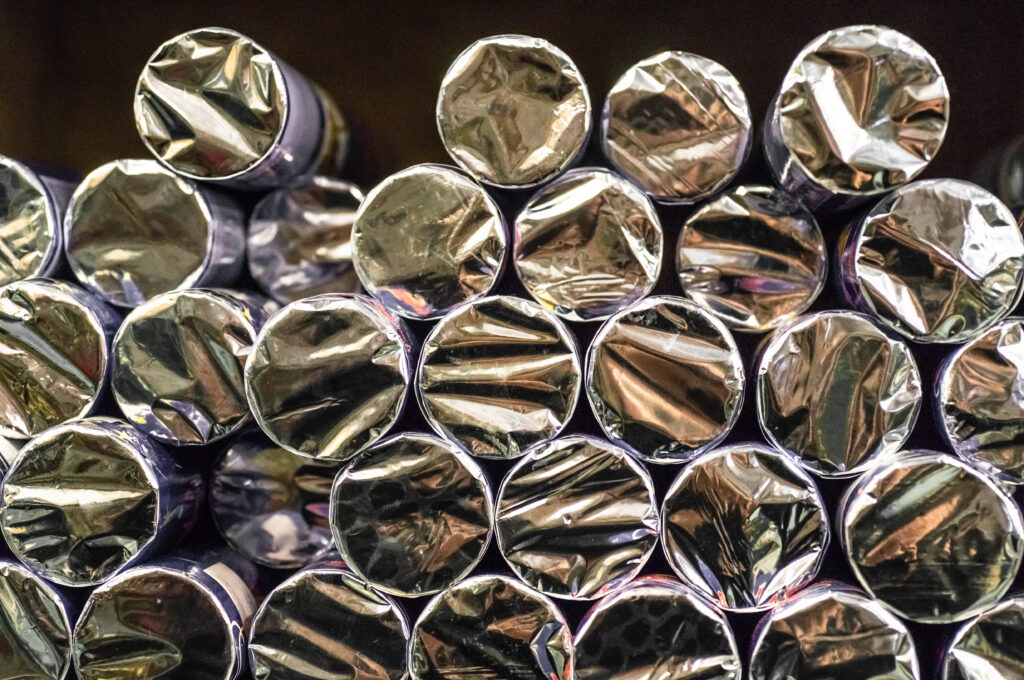
    Reflective foil insulation, while effective in certain applications, has several notable disadvantages. Its primary limitation is that it only effectively resists radiant heat transfer; it does little to slow conductive or convective heat flow. Therefore, it must be combined with bulk insulation like fiberglass or foam to be effective in most climates. Performance is highly dependent on having a facing air gap, which can be compromised during installation. It is also vulnerable to dust and condensation, which can drastically reduce its reflectivity. The material can be easily torn or punctured during handling. In many building scenarios, especially in colder climates, traditional bulk insulation often provides a more reliable and consistent thermal barrier.

    Reflective insulation is generally considered a cost-effective option compared to many traditional bulk insulation materials like fiberglass or spray foam. The material cost per square foot is often lower, and its thin, flexible nature makes it relatively easy and inexpensive to install, especially in areas like attics, crawlspaces, and behind radiators. However, its effectiveness is highly dependent on proper installation with an air gap, which is crucial for reflecting radiant heat. For optimal whole-house energy efficiency, it is frequently used in combination with other insulation types. While the upfront investment can be modest, the long-term savings on heating and cooling bills contribute to its overall value, making it a strategic choice for many homeowners.

    Reflective insulation, often called radiant barrier insulation, is designed to reduce heat transfer by reflecting radiant heat rather than absorbing it. It is most effective in hot climates, particularly in attics, where it can reflect solar radiation away from the living space. When installed correctly—typically with an air gap facing the heat source—it can significantly lower attic temperatures and reduce cooling costs. However, its performance is highly dependent on proper installation and environmental conditions. It is not a replacement for traditional bulk insulation like fiberglass or cellulose, which resist conductive and convective heat flow. For optimal energy efficiency, reflective insulation is best used in combination with conventional insulation, following local building codes and manufacturer specifications.

    Reflective insulation, often called radiant barrier insulation, operates on the principle of reducing radiant heat transfer. Its effectiveness is governed by key installation rules. A fundamental requirement is the presence of an adjacent air space of at least 3/4 inch; the reflective surface must face this open space to properly reflect radiant heat. The material must be installed with the shiny side facing the primary heat source, which is typically downward in attics to reflect summer heat away from living spaces. It is crucial that the foil surface remains clean and dust-free, as dust accumulation significantly reduces reflectivity. For optimal performance in attics, it is often installed under the rafters or over the attic floor insulation, but it should not be used to replace traditional bulk insulation like fiberglass batts. Proper sealing of seams and edges with appropriate foil tape is also a standard industry practice to maintain a continuous barrier.

    Google

    Overall Rating

    5.0
    ★★★★★

    20 reviews