Houston, TX Air Duct Cleaning Service & Insulation | Atticair
Reflective foil insulation, while effective in certain applications, has several notable disadvantages. Its primary limitation is that it only works effectively when facing an open air space, as it relies on reflecting radiant heat. If installed incorrectly or compressed, its performance drops significantly. It offers minimal resistance to conductive heat flow (low R-value per inch) compared to bulk insulation like fiberglass or foam. It is also vulnerable to punctures and tears during installation, which can compromise its reflective surface. Furthermore, dust accumulation on the foil surface greatly reduces its reflectivity over time. In cold climates, it is generally less effective unless paired with other insulation types, and improper installation can lead to moisture trapping, potentially causing condensation and mold issues within wall or roof assemblies.
Reflective insulation is generally considered a cost-effective option compared to many traditional bulk insulation materials like fiberglass or spray foam. The material itself, often aluminum foil laminated to paper or plastic, is relatively inexpensive to manufacture. However, the total installed cost can vary based on the specific product, the complexity of the installation, and whether it is used alone or as part of a hybrid system. For radiant heat barriers in attics, it can be very affordable and offer excellent long-term energy savings by reflecting heat, potentially reducing cooling costs. While not always the best standalone solution for all climates, its value for targeted applications often justifies the initial investment, making it a budget-friendly choice for many homeowners seeking to improve thermal efficiency.
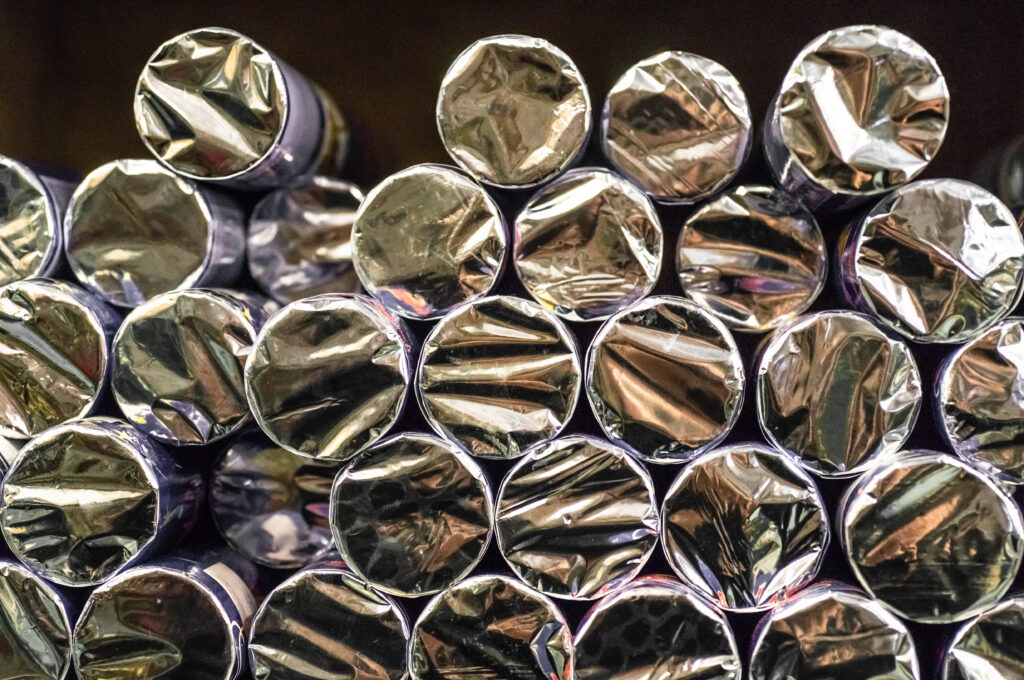
Reflective insulation, often called radiant barrier insulation, can be effective in specific applications when installed correctly. Its primary function is to reduce radiant heat transfer, which is a major source of heat gain in attics and walls. It works by reflecting radiant heat away from living spaces, typically using a foil-faced material. For optimal performance, it requires an adjacent air space and must be kept clean and dust-free. It is most effective in hot climates where blocking summer sun is a priority and is often used in conjunction with traditional mass insulation like fiberglass or cellulose for a comprehensive thermal envelope. Proper installation is critical; if the reflective surface is compressed or covered, its effectiveness is greatly diminished.
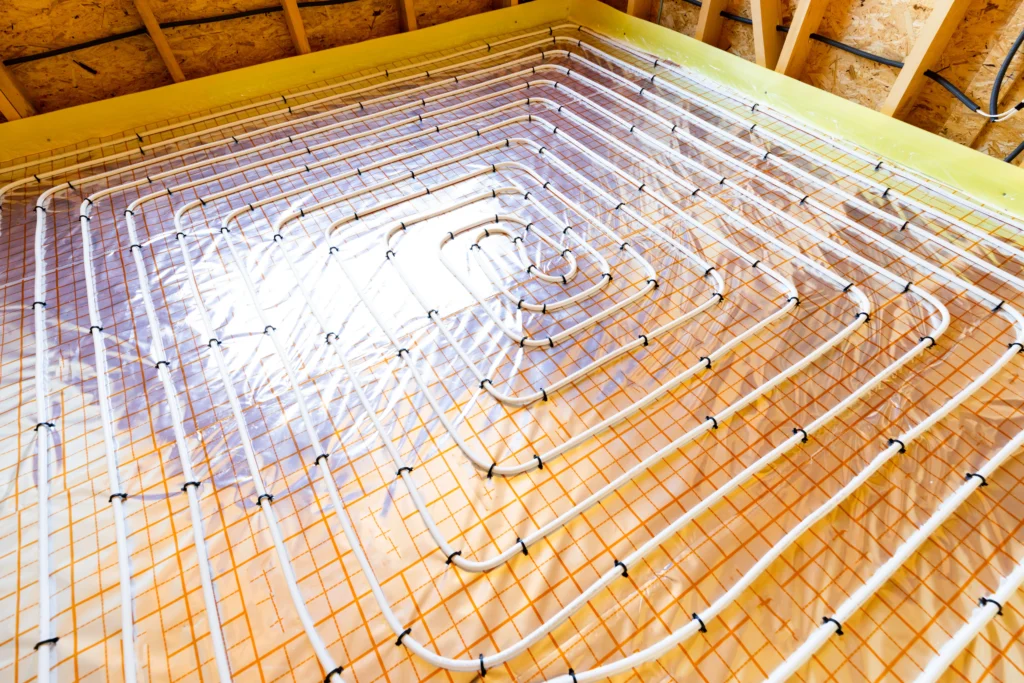
Reflective insulation, often called radiant barrier insulation, follows specific rules for effective installation. It must face an air gap of at least 3/4 inch to function properly, as it works by reflecting radiant heat, not by absorbing it. The reflective surface, typically aluminum foil, should be installed facing the heat source—like towards the attic space in hot climates to reflect summer heat away. It is crucial that the material remains clean and dust-free, as dust accumulation significantly reduces its reflectivity. For optimal performance, it is often used in conjunction with other insulation types like fiberglass or cellulose to address all forms of heat transfer (conduction and convection as well). Professional installation ensures proper sealing and placement to meet building code requirements.
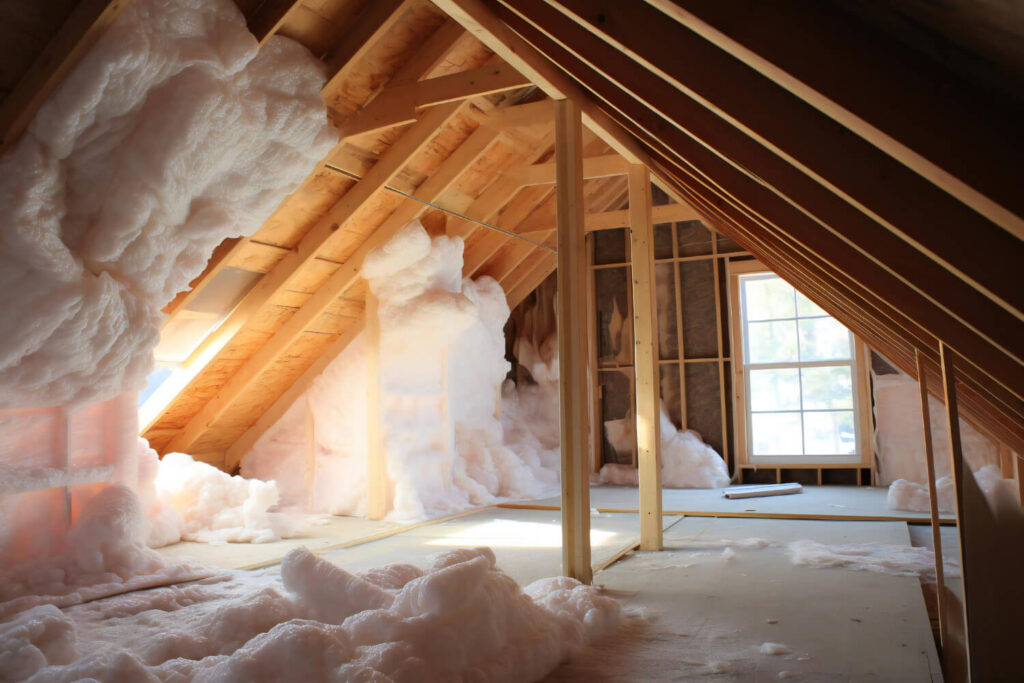
Reflective insulation is an effective solution for homes in Galveston, Texas, due to the region's hot and humid climate. This type of insulation works by reflecting radiant heat away from the living space, rather than just slowing conductive heat flow. In attics, installing reflective barriers, such as foil-faced materials, under the roof decking can significantly reduce heat gain, lowering cooling costs and improving indoor comfort. It is crucial to ensure proper installation with an air gap, as this maximizes the reflective properties. For optimal energy efficiency in Galveston, reflective insulation is often used in conjunction with other insulation types like fiberglass or spray foam to address both radiant and conductive heat transfer, following local building codes and best practices for moisture control in coastal areas.
Reflective insulation is a smart investment for homes in Galveston, where the hot, humid climate demands effective thermal control. This type of insulation, often using radiant barriers like foil-faced materials, works by reflecting radiant heat away from the living space, which is crucial for reducing cooling costs. The cost for installation in Galveston typically ranges from $1.50 to $3.50 per square foot, depending on the specific product, the size and accessibility of the attic, and labor rates. For a standard attic, total costs often fall between $1,500 and $3,500. It is highly recommended to get a professional assessment from a company like Atticair to ensure proper installation, as air sealing and combining it with other insulation types like fiberglass batts can maximize energy efficiency and provide the best return on investment by significantly lowering summer utility bills.
20 reviews