Houston, TX Air Duct Cleaning Service & Insulation | Atticair
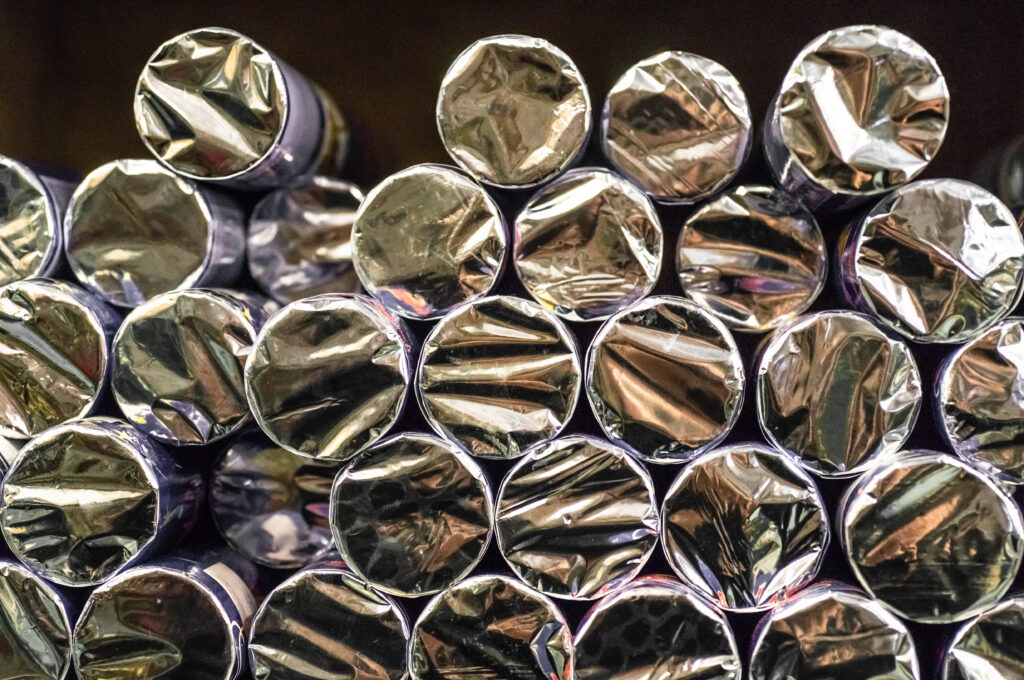
Reflective foil insulation, while effective in certain applications, has several notable disadvantages. Its primary limitation is that it only works effectively when facing an open air space, as it relies on reflecting radiant heat. If installed incorrectly or compressed, its performance drops significantly. It offers little to no resistance to conductive heat flow on its own, so it is often less effective in very cold climates where conductive and convective heat loss dominate. It can also be prone to condensation issues if not paired with proper vapor barriers, potentially leading to mold or material degradation. Furthermore, installation can be challenging, as the foil must be kept clean and free of dust to maintain its reflectivity, and it requires meticulous sealing at seams to be fully effective.
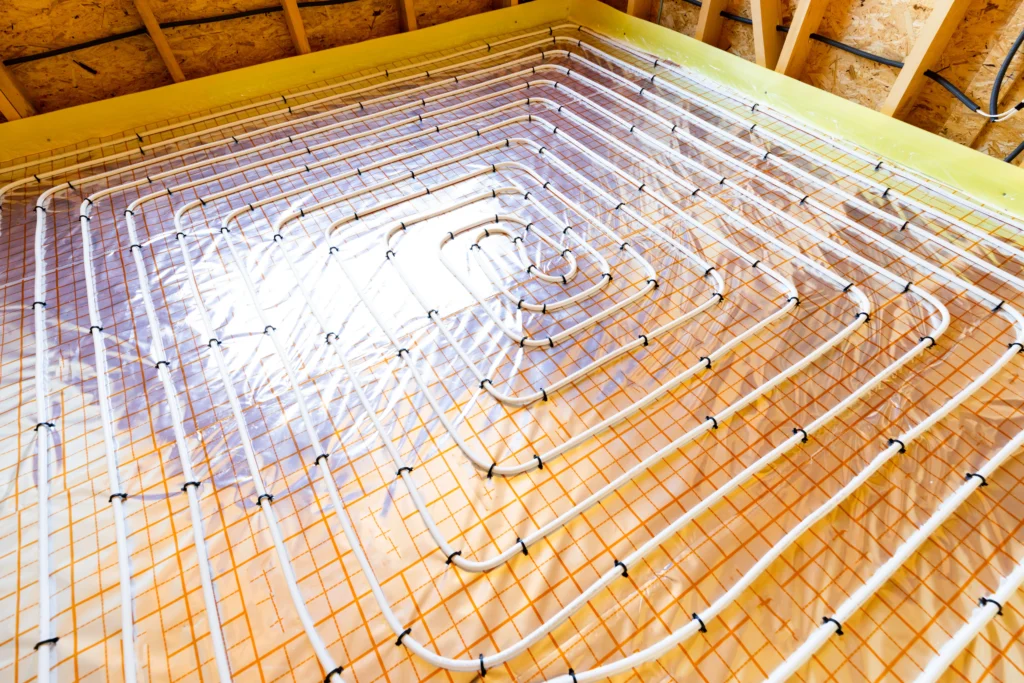
Reflective insulation, often using materials like foil-faced bubble wrap or radiant barriers, can be worth it in specific applications but is not a universal solution. Its primary function is to block radiant heat transfer, making it most effective in hot climates or in spaces like attics, where it reflects solar heat away from living areas. It is less effective at stopping conductive heat flow, so it is often best used in combination with traditional bulk insulation like fiberglass or cellulose. For existing homes, adding it to a hot attic can improve comfort and reduce cooling costs. However, in colder climates or for walls, its standalone performance is limited, and the cost-benefit may not justify installation over other methods. A professional energy audit is recommended to assess your specific needs.
Reflective insulation, often made from aluminum foil laminated to paper or plastic, is generally considered a cost-effective option compared to many traditional bulk insulation materials like fiberglass batts or spray foam. The material itself is typically less expensive per square foot. However, the true cost depends on the specific product, the complexity of installation, and whether it is used alone or as part of a hybrid system. For optimal performance in attics, it must be installed with an air gap, which requires precise work. While upfront costs can be lower, its effectiveness is highly dependent on proper installation and is best in hot climates where reflecting radiant heat is the primary goal. It may not provide sufficient R-value alone in colder regions, potentially leading to higher long-term energy costs if not paired correctly with other insulation types.
Reflective insulation primarily works by reflecting radiant heat, which is a key method of heat transfer. In cold climates, its main function is to keep indoor warmth from escaping by reflecting it back inside, rather than actively blocking cold air infiltration. For it to be effective, it must face an air gap and be installed with the reflective surface oriented toward the living space. While it significantly improves thermal performance by addressing radiant heat loss, it does not replace the need for bulk insulation materials like fiberglass or foam, which resist conductive heat flow, or proper air sealing to stop drafts. Therefore, reflective insulation is a valuable component in a comprehensive insulation system that keeps cold out, but it should be used in conjunction with other insulation types and air sealing techniques for optimal energy efficiency and comfort in a home.
20 reviews