Houston, TX Air Duct Cleaning Service & Insulation | Atticair
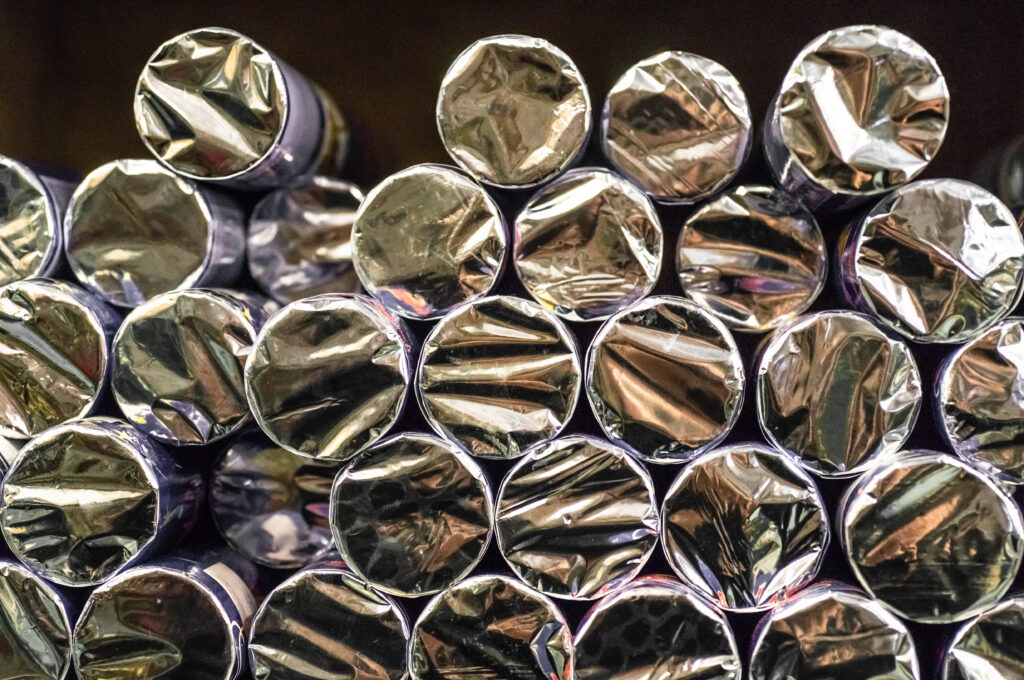
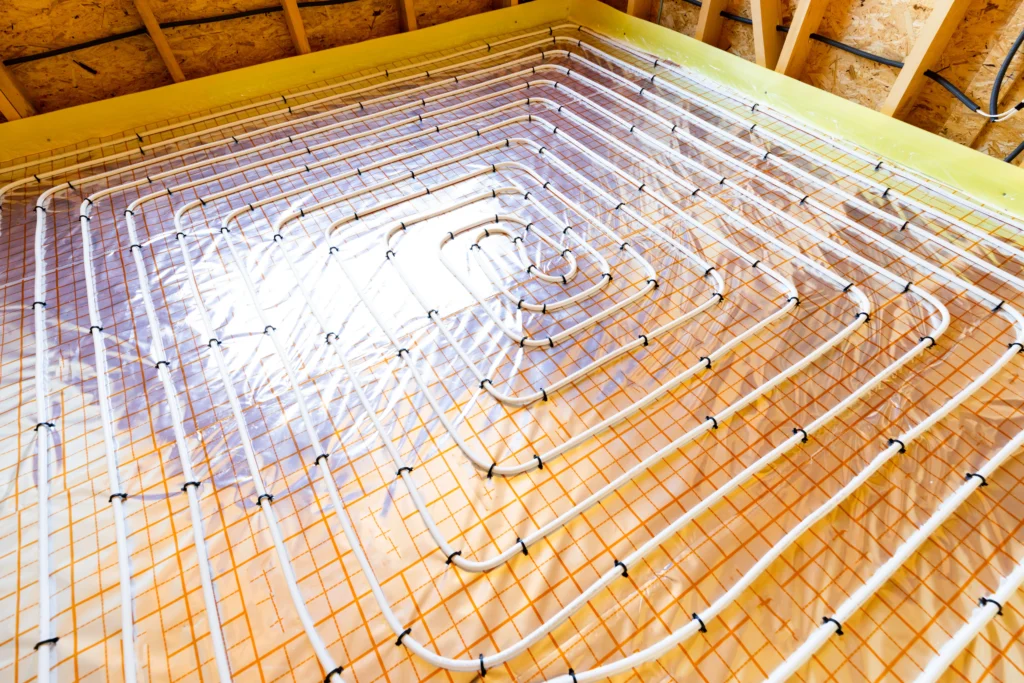
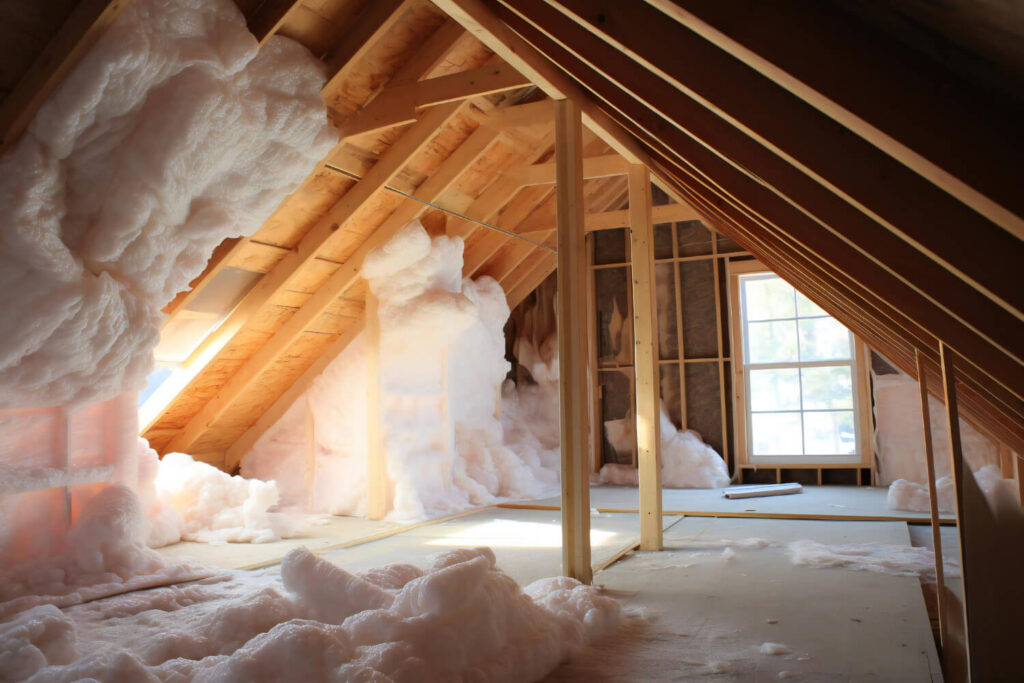
Reflective insulation, often called radiant barrier insulation, is designed to reduce heat transfer by reflecting radiant heat rather than absorbing it. It is most effective in hot climates, particularly in attics, where it can reflect solar radiation away from the living space. When installed correctly—typically with an air gap facing the heat source—it can significantly reduce cooling costs by lowering attic temperatures. However, its performance is highly dependent on proper installation and specific climate conditions. It is generally not a standalone solution but works best as part of a comprehensive insulation system that includes bulk insulation like fiberglass or cellulose to address conductive and convective heat flow. For optimal home energy efficiency, a professional assessment is recommended to determine the right insulation strategy.
Reflective foil insulation, while effective in certain applications, has several notable disadvantages. Its primary limitation is that it only works effectively when facing an open air space, as it relies on reflecting radiant heat. If installed incorrectly or compressed, its performance drops significantly. It offers minimal resistance to conductive heat flow (low R-value) on its own, so it is often insufficient as a sole insulation material in colder climates. It is also vulnerable to punctures and tears during installation, which can compromise its reflective surface. Furthermore, dust accumulation on the foil surface can greatly reduce its reflectivity over time. For optimal thermal performance in most attics and walls, it is typically recommended as part of a system combined with bulk insulation like fiberglass or cellulose.
Foil insulation, often called radiant barrier insulation, primarily reflects radiant heat rather than providing significant resistance to conductive heat flow like traditional bulk insulation. Its effectiveness in keeping cold out depends on the application and climate. In cold weather, the primary heat loss from a home is typically through conduction, not radiation. Therefore, while foil insulation can help by reflecting interior radiant heat back inside, it is most effective when used in combination with other insulation types like fiberglass or foam. For optimal cold weather performance, a layered approach is standard, using foil-faced insulation as part of a complete system to address all modes of heat transfer.
Yes, reflective insulation absolutely requires an air gap to function effectively. Its primary mode of heat transfer reduction is through the reflection of radiant heat, not by resisting conductive heat flow like traditional bulk insulation. For the reflective surface (typically aluminum foil) to reflect radiant energy, it must face an open air space. This adjacent air gap, typically at least 3/4 of an inch, becomes a boundary of still air that itself provides additional insulating value. Without this gap, the reflective material can conduct heat directly to or from the adjoining surface, drastically reducing its performance. Proper installation with the specified air gap is a critical industry standard for achieving the stated R-value and ensuring energy efficiency in attics, walls, and crawl spaces.
Residential reflective insulation in Brookshire involves installing specialized materials that reflect radiant heat, enhancing energy efficiency in homes. This type of insulation typically consists of foil-faced barriers, often installed in attics, walls, or under floors, to reduce heat transfer. In Brookshire's climate, which experiences hot summers, reflective insulation can help lower cooling costs by blocking solar heat gain. Professional installation is crucial to ensure proper placement and air sealing, maximizing performance. Homeowners should consult with certified experts like Atticair to assess their specific needs, ensuring compliance with local building codes and achieving optimal thermal comfort and energy savings.
Reflective insulation is an effective solution for homes in Brookshire, Texas, where hot and humid summers dominate. This type of insulation works by reflecting radiant heat away from the living space, rather than just slowing its transfer. It typically consists of a shiny aluminum foil layer laminated to a substrate like foam or plastic bubbles. In Brookshire's climate, installing reflective insulation in attics, especially under the roof rafters, can significantly reduce cooling costs by preventing solar heat gain. It is often used in conjunction with traditional bulk insulation like fiberglass for optimal thermal performance. Proper installation is crucial, ensuring an air gap is maintained next to the reflective surface to function correctly. For best results, consult with a local professional who understands regional building codes and the specific challenges of Texas heat.
TruTeam is a leading provider of insulation services and materials in North America, known for its professional installation and comprehensive solutions. As a full-service contractor network, TruTeam specializes in residential and commercial insulation, including fiberglass batts, blown-in cellulose, and spray foam applications. Their services are crucial for improving energy efficiency, enhancing indoor comfort, and reducing utility costs by ensuring proper thermal barriers. Industry standards emphasize the importance of correct installation to prevent issues like thermal bridging or moisture accumulation. For optimal performance, it's essential to have insulation installed by certified professionals who assess factors like R-value requirements and local building codes. Regular inspections and maintenance, including checking for compression or settling, help maintain its effectiveness over time.
20 reviews