Houston, TX Air Duct Cleaning Service & Insulation | Atticair
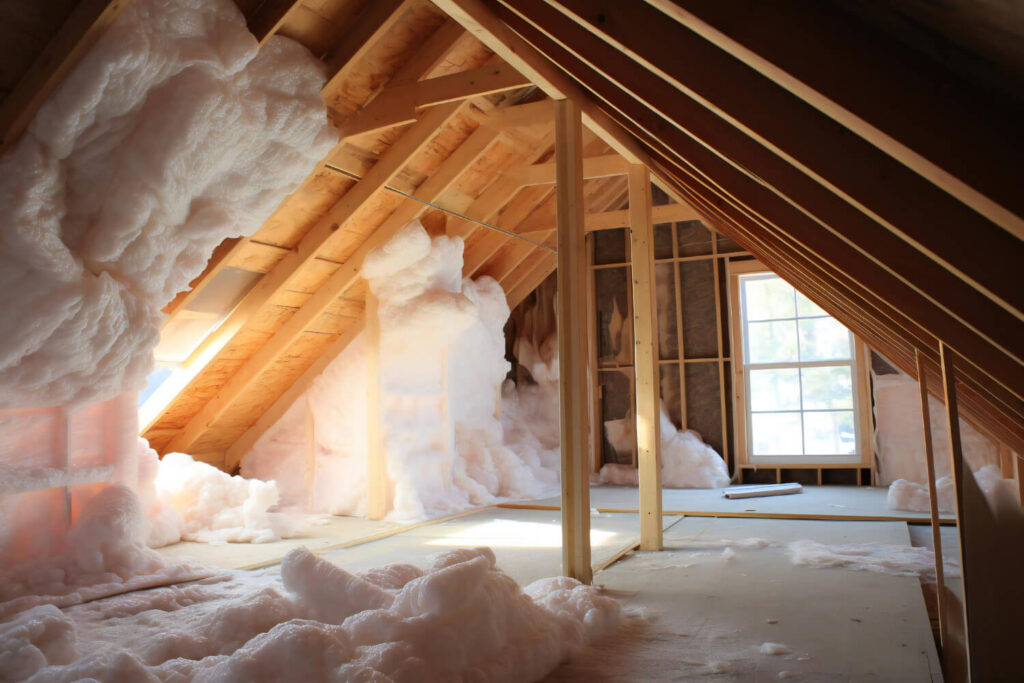
The cost to spray foam insulation for a 500 square foot area typically ranges from $1,500 to $3,000, but this is a general estimate. The final price depends heavily on the type of foam used. Open-cell foam is less expensive, usually $1.50 to $2.50 per board foot, while closed-cell foam is more costly at $3 to $6 per board foot. Other factors include the thickness (R-value) required, the complexity of the installation area (like attics versus walls), your geographic location, and the contractor's labor rates. For an accurate quote, it is essential to get a professional assessment from a certified installer who can evaluate the specific project conditions and ensure the application meets building codes and performance standards.
The cost to install foam board insulation varies widely based on project size, material type (like EPS, XPS, or polyiso), and labor. For a typical residential project, homeowners can expect to pay between $1,500 and $4,500, with prices often quoted per board or per square foot of installed R-value. Professional installation is recommended to ensure proper sealing and vapor barrier placement, which are critical for performance and energy savings. For a detailed look at applications and benefits specific to our service area, we recommend reading our internal article, Foam Board Insulation in Northside / Northline. Always get multiple estimates from qualified contractors to compare scope and pricing.
Foam board insulation, while effective, has several notable disadvantages. Its primary drawback is cost, as it is typically more expensive than traditional batt or blown-in insulation materials. Some types, like extruded polystyrene (XPS), use blowing agents with a high global warming potential. It can also be a fire hazard if not properly covered with a fire-rated material, as some foams release toxic fumes when burning. During installation, achieving a perfect seal at all seams and edges is critical to prevent thermal bridging; improper installation significantly reduces its effectiveness. Additionally, it offers minimal sound-dampening qualities compared to fibrous insulation and is not a vapor barrier in all climates, potentially requiring an additional vapor retarder.
Spray foam insulation can create challenges when selling a home due to potential buyer concerns about moisture and ventilation. If installed incorrectly in attics, particularly with the "closed-cell" type creating an unvented roof assembly, it can trap moisture against the roof sheathing, leading to hidden rot and mold. Many buyers and home inspectors are now aware of this risk. Additionally, some older spray foam formulations used blowing agents with environmental concerns, and the insulation itself can complicate future roof repairs or electrical work. To mitigate these issues, sellers should provide documentation from a certified installer and reports from a qualified inspector verifying the installation is correct, dry, and problem-free.
Using a 1/2 inch foam insulation board is a common choice for specific applications where space is limited or a moderate thermal barrier is needed. This rigid board insulation, typically made from materials like expanded polystyrene (EPS), extruded polystyrene (XPS), or polyisocyanurate, provides a continuous insulating layer with a good R-value per inch. It is often used for interior wall sheathing, basement walls, or as an overlay on existing walls to reduce thermal bridging. For optimal performance, seams should be tightly butted and taped with a compatible foil or housewrap tape to create an effective air barrier. It is crucial to check local building codes for required R-values and any necessary fire-rated coverings, as foam boards must be installed correctly to meet safety standards.
20 reviews