Houston, TX Air Duct Cleaning Service & Insulation | Atticair
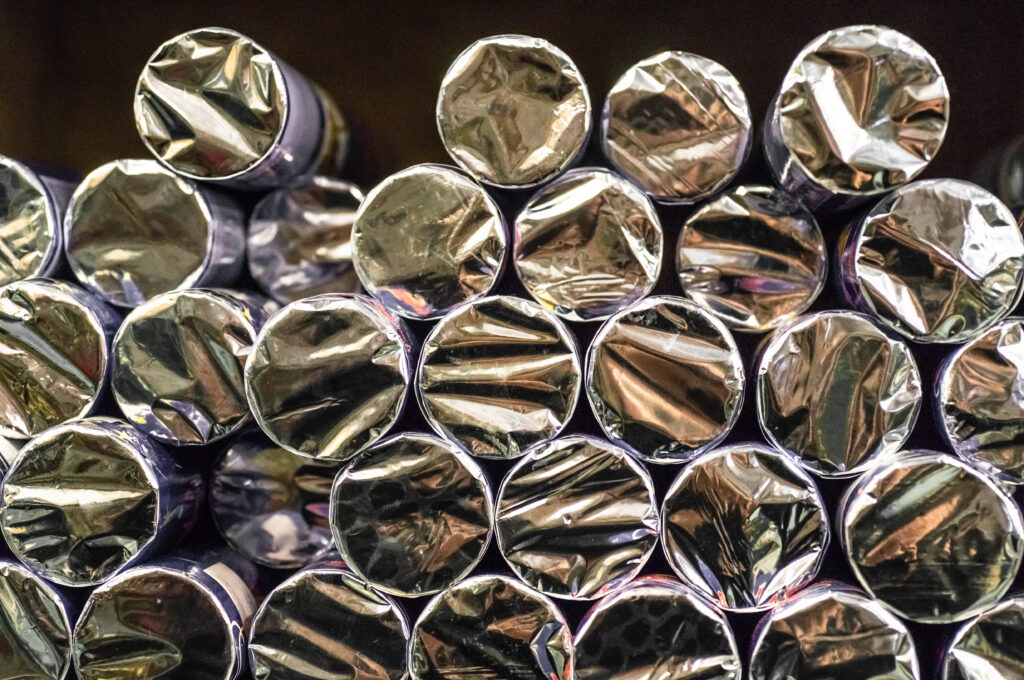
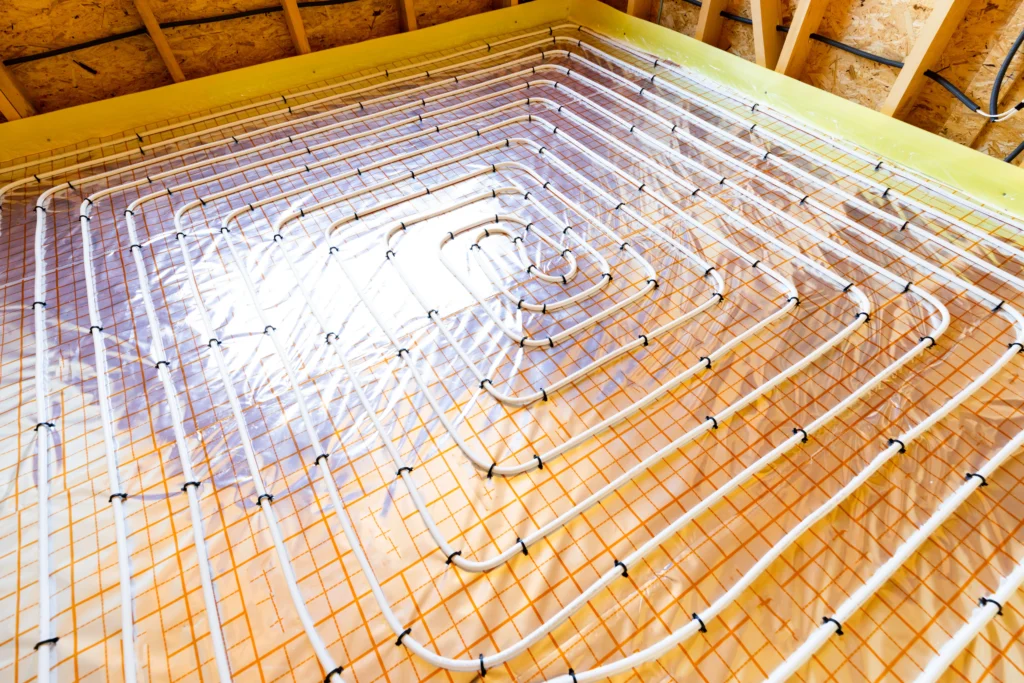
Reflective foil insulation, while effective in certain applications, has several notable disadvantages. Its primary limitation is that it only works effectively when facing an open air space, as it relies on reflecting radiant heat. If installed incorrectly or compressed, its performance drops significantly. It offers minimal resistance to conductive heat flow (low R-value) on its own and provides no inherent air-sealing properties. Foil insulation can also be challenging to install perfectly, as gaps, tears, or improper sealing with foil tape can drastically reduce its effectiveness. Furthermore, in humid environments, if not properly detailed, it can trap moisture within wall or roof assemblies, potentially leading to condensation and mold issues. It is generally not a standalone solution and is best used in combination with other insulation types.
Reflective insulation is generally considered a cost-effective option compared to many traditional bulk insulation materials like fiberglass or spray foam. The initial material cost per square foot is often lower, and its lightweight, flexible nature typically makes installation quicker and less labor-intensive, reducing overall project costs. However, its effectiveness is highly dependent on proper installation with a critical air gap, which must be maintained. For optimal performance, it is best used in specific applications like attics, crawlspaces, and metal buildings to block radiant heat. While not the most expensive option, the total value comes from combining it with other insulation types and air sealing for a comprehensive thermal barrier.
Reflective insulation can be a worthwhile investment in specific climates and applications. Its primary function is to radiant heat transfer, which is a major source of heat gain in hot, sunny climates and heat loss in cold conditions. It is most effective when installed with a critical air gap facing the heat source, such as in attics, walls, and under floors. For existing homes, it often works best as a supplement to traditional bulk insulation like fiberglass or cellulose. While it has a higher upfront cost per square foot than some materials, its long-term energy savings, durability, and ability to improve overall thermal performance can make it cost-effective, especially in new construction or major renovations where it can be properly integrated.
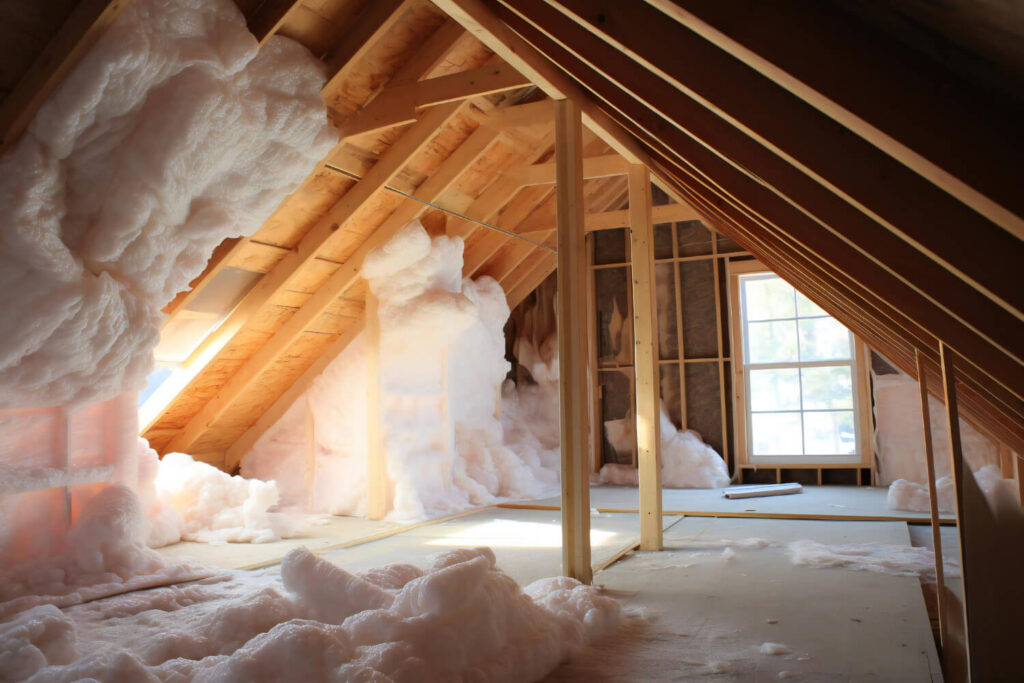
Radiant barriers can be a worthwhile investment in Houston's hot, sunny climate. They work by reflecting radiant heat from the sun, which is a primary driver of attic temperature gain. When properly installed under the roof decking, a radiant barrier can significantly reduce the heat load entering your attic space. This helps your air conditioning system work more efficiently, potentially lowering cooling costs and improving indoor comfort. For maximum benefit, it should be part of a comprehensive attic strategy that includes adequate insulation and proper ventilation. While not a substitute for sufficient insulation, a radiant barrier is a strong supplemental measure for Houston homes, offering a solid return on investment through energy savings during the long, intense summers.
Residential reflective insulation is an effective solution for homes in South Houston, leveraging its ability to reflect radiant heat, which is a significant factor in the region's hot and humid climate. This type of insulation, often installed in attics, involves materials like foil-faced foam boards or radiant barriers. It works by reflecting solar radiation away from the living space, reducing heat gain and lowering cooling costs. For optimal performance, it must be installed with an air gap facing the heat source. In South Houston's environment, combining reflective insulation with proper attic ventilation and air sealing creates a more comprehensive thermal barrier, enhancing overall energy efficiency and indoor comfort throughout the long summer months.
Reflective insulation is an effective solution for homes in South Houston, helping to block radiant heat and improve energy efficiency. The cost typically ranges from $1.50 to $3.50 per square foot installed, depending on factors like material quality, attic size, and labor. For an average attic, total costs often fall between $1,500 and $3,500. Given the region's hot, humid climate, this type of insulation can significantly reduce cooling costs by reflecting solar heat away from the living space. It's crucial to hire a certified professional for installation to ensure proper sealing and maximum performance, as incorrect installation can compromise its effectiveness. Always request a detailed, written estimate that includes materials, labor, and any necessary preparatory work like cleaning existing ducts or removing old insulation.
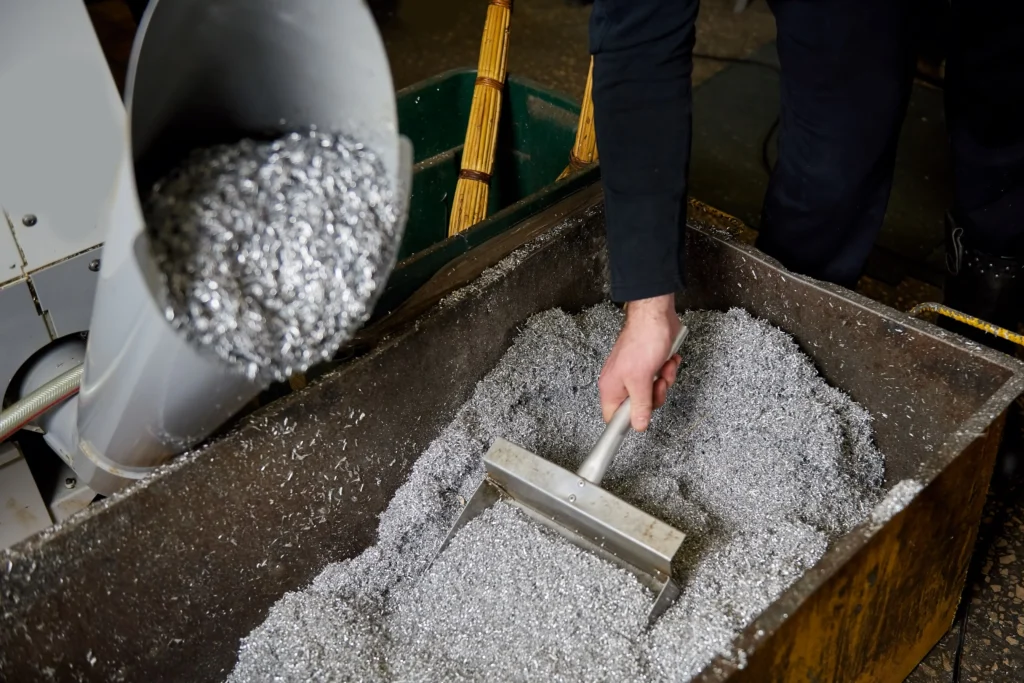
For homes in South Houston, the best reflective insulation typically combines high reflectivity with proper installation to combat intense heat and humidity. Radiant barrier systems, such as those using aluminum foil laminated to kraft paper or bubble wrap, are highly effective. Look for products with a reflectivity rating of 95% or higher and a low emittance. These are installed in attics, often stapled to the underside of roof rafters, to reflect radiant heat away from the living space. This significantly reduces cooling loads. It is crucial to ensure the reflective surface faces an air gap and remains dust-free for optimal performance. Professional assessment and installation are recommended to address local climate challenges like high moisture, which can impact material effectiveness and promote mold if not properly managed.
20 reviews