Houston, TX Air Duct Cleaning Service & Insulation | Atticair
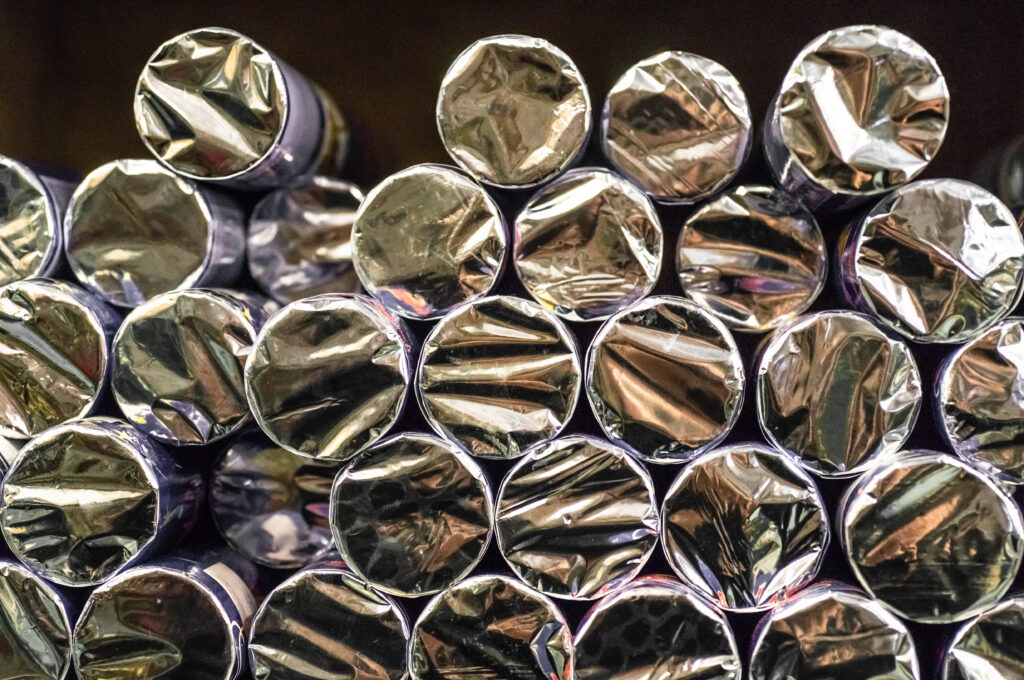
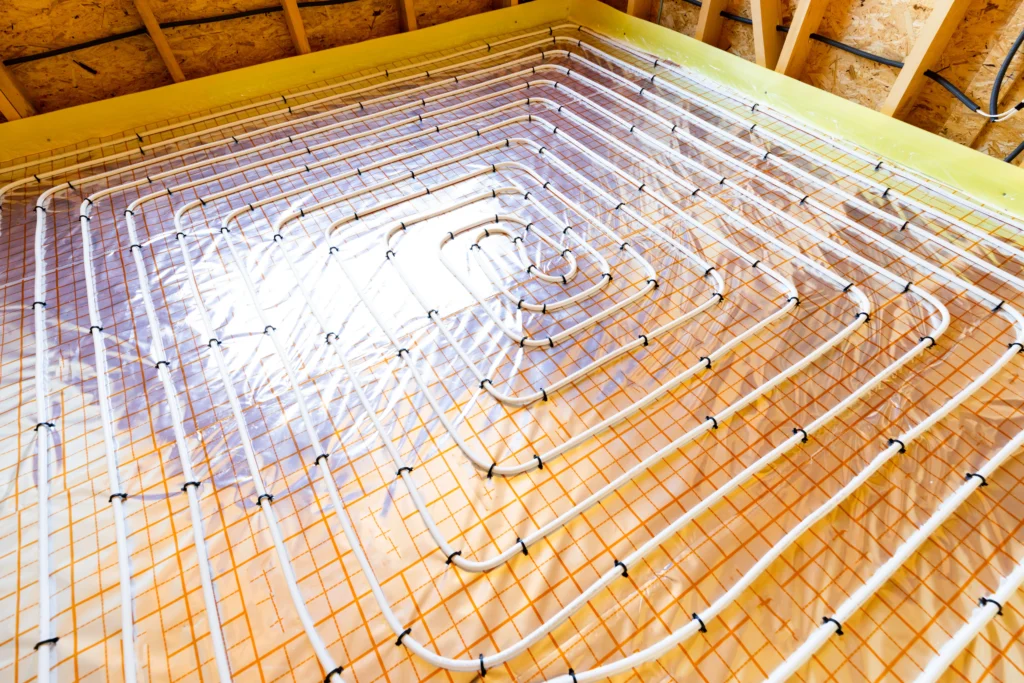
Reflective insulation, often called radiant barrier insulation, is designed to reduce heat transfer by reflecting radiant heat rather than absorbing it. It is most effective in hot climates, particularly in attics, where it can reflect solar radiation away from the living space. When installed correctly—typically with an air gap facing the heat source—it can significantly lower attic temperatures and reduce cooling costs. However, its performance is highly dependent on proper installation and specific climate conditions. It is generally not a complete substitute for traditional bulk insulation like fiberglass or cellulose, which resist conductive and convective heat flow. For optimal energy efficiency, reflective insulation is often used in combination with other insulation types, following local building codes and manufacturer specifications.
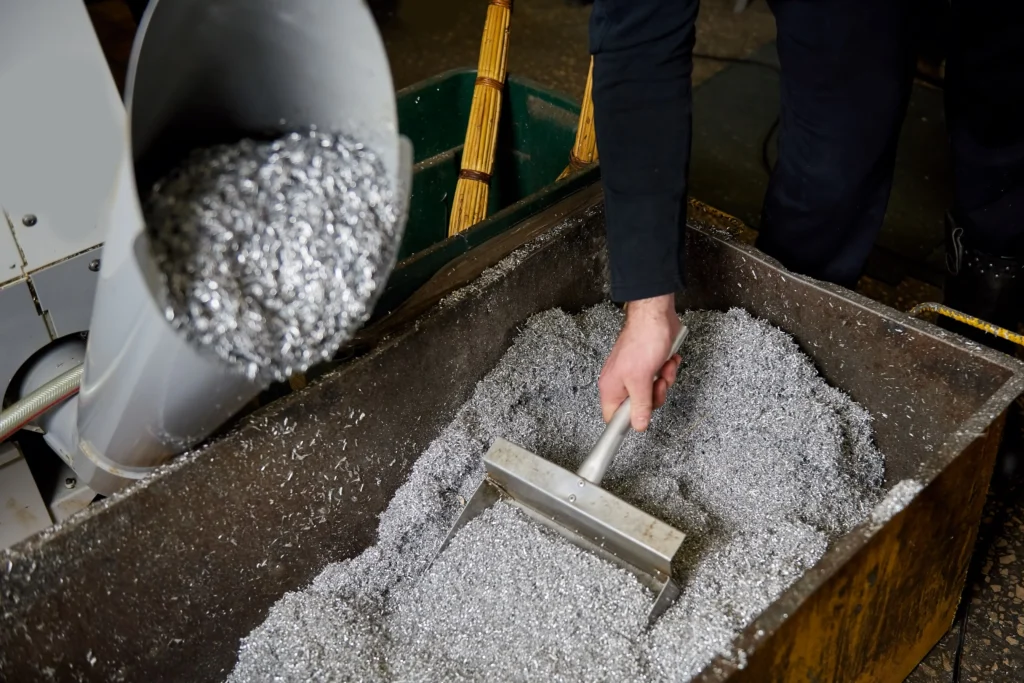
Reflective insulation, often called radiant barrier insulation, operates on the principle of reducing radiant heat transfer. Its effectiveness is governed by several key rules. It must face an open air space of at least 3/4 inch to work properly; without this gap, it functions merely as a conductor. The reflective surface, typically aluminum foil, must remain clean, dust-free, and unobstructed to reflect radiant heat effectively. It is crucial to install it with the shiny side facing the primary heat source—toward the attic in hot climates to reflect summer heat, or toward the living space in cold climates to retain interior warmth. Proper sealing at seams and edges with appropriate foil tape is essential to prevent air infiltration and maintain system performance. Always follow local building codes and manufacturer specifications for installation, as improper application can significantly reduce its R-value and overall effectiveness.
People are removing spray foam insulation primarily due to improper installation, which can lead to significant problems. If not mixed or applied correctly, the foam may fail to cure fully, releasing unpleasant and potentially harmful volatile organic compounds (VOCs) into the indoor air. This can cause persistent odors and health concerns. Another key reason is moisture entrapment; if spray foam is applied over existing moisture or a roof leak develops later, it can trap water against roof sheathing or wall framing, leading to hidden rot and structural damage that is difficult to detect and repair. In some cases, removal is necessary for major renovations or to address rodent infestations that have occurred within the insulation. Proper installation by certified professionals following manufacturer specifications is critical to avoid these costly issues.
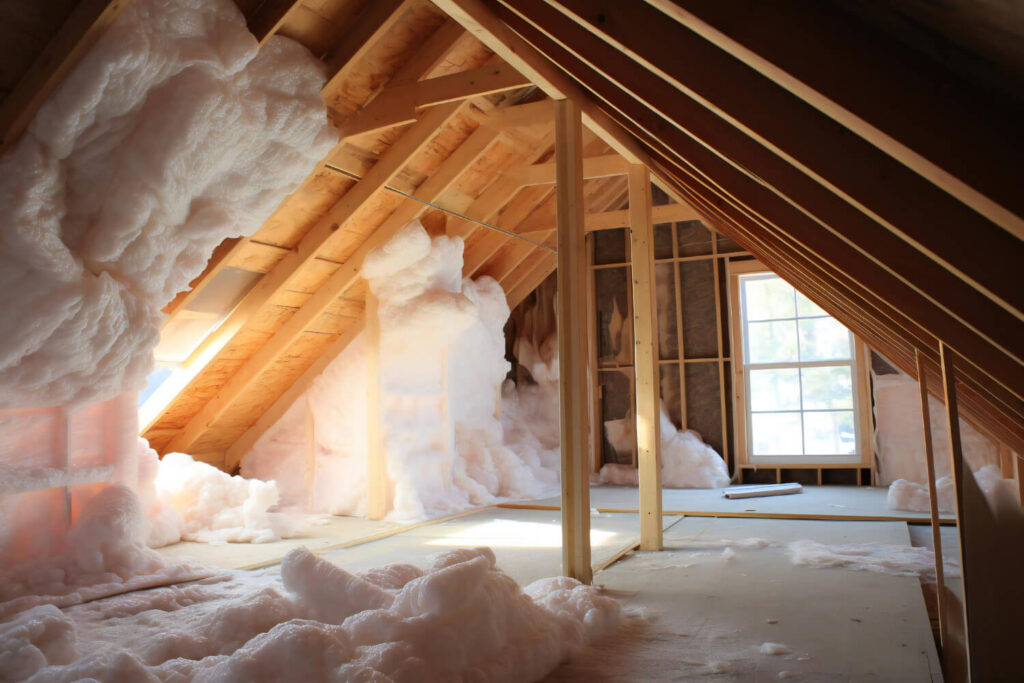
The cost to insulate a 1000 sq ft area varies significantly based on the insulation type, material, and labor. For a standard attic or walls, you can expect a broad range. Using common materials like fiberglass batts, costs might average between $1,500 to $2,500 for professional installation. For higher-performance materials like spray foam, costs can rise sharply to $3,000 to $6,000 or more. These estimates include both materials and labor. Key factors affecting price include the R-value (thermal resistance) required for your climate zone, the accessibility of the space, and whether old insulation needs removal. Always obtain multiple quotes from certified professionals who assess your specific needs, as proper installation is critical for performance and energy savings.
Reflective insulation is a popular choice in Sugar Land due to its effectiveness in reducing radiant heat transfer, which is crucial in the region's hot climate. Reviews often highlight its ability to lower cooling costs and improve indoor comfort when installed correctly in attics, walls, or under roofs. Homeowners appreciate its thin profile and durability, though some note that proper installation is key to performance, as gaps can reduce efficiency. It works best when facing an air space, reflecting heat away. For optimal results, combine it with other insulation types for a comprehensive thermal barrier. Always consult local professionals in Sugar Land to assess your specific needs and ensure compliance with building codes.
Reflective insulation is an effective solution for homes in Sugar Land, Texas, where heat gain is a primary concern. The best options typically combine radiant barriers with other insulation types to address both radiant heat and conductive heat transfer. For attics, a popular choice is a radiant barrier foil insulation, often installed under the roof decking or over existing attic insulation. This material reflects radiant heat away from the living space, which can significantly reduce cooling costs in hot climates. It is crucial to ensure proper installation with an air gap, as this is essential for the reflective surface to work effectively. For optimal performance, many professionals recommend using a product with a high reflectivity rating (like 95% or more) and a low emissivity rating. Combining this with adequate traditional insulation (like blown-in fiberglass or cellulose) to achieve the recommended R-value for our region provides the most comprehensive thermal protection. Always consult with a local professional to assess your specific attic structure and ventilation needs.
Reflective insulation in Sugar Land typically costs between $1.50 to $3.50 per square foot for professional installation, with total project costs ranging from $1,500 to $4,500 for an average home. The final price depends on several factors, including the specific type of reflective material (like radiant barrier foil), the size and complexity of your attic or roof area, and the contractor's labor rates. This insulation works by reflecting radiant heat, which is highly effective in hot climates like Texas for reducing cooling costs. For an accurate quote, it's essential to get a professional assessment from a certified installer who can evaluate your home's specific needs, ensure proper installation to avoid moisture issues, and discuss potential energy savings.
20 reviews