Houston, TX Air Duct Cleaning Service & Insulation | Atticair
Reflective foil insulation, while effective in certain applications, has several notable disadvantages. Its primary limitation is that it only works effectively when facing an open air space, as it relies on reflecting radiant heat. If installed incorrectly or compressed, its performance drops significantly. It offers little to no resistance to conductive heat flow on its own, so it is often less effective in very cold climates where conductive and convective heat loss dominate. It can also be prone to condensation issues if not paired with proper vapor barriers, potentially leading to mold or material degradation. Furthermore, installation can be challenging, as the foil must be kept clean and free of dust to maintain its reflectivity, and it requires meticulous sealing at seams to be fully effective.
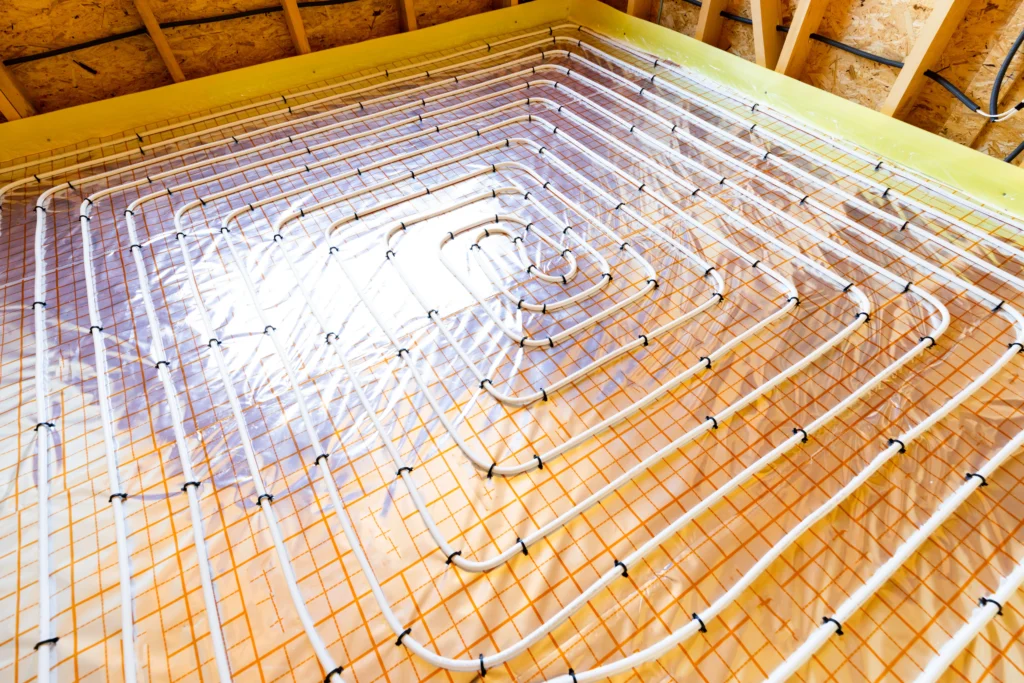
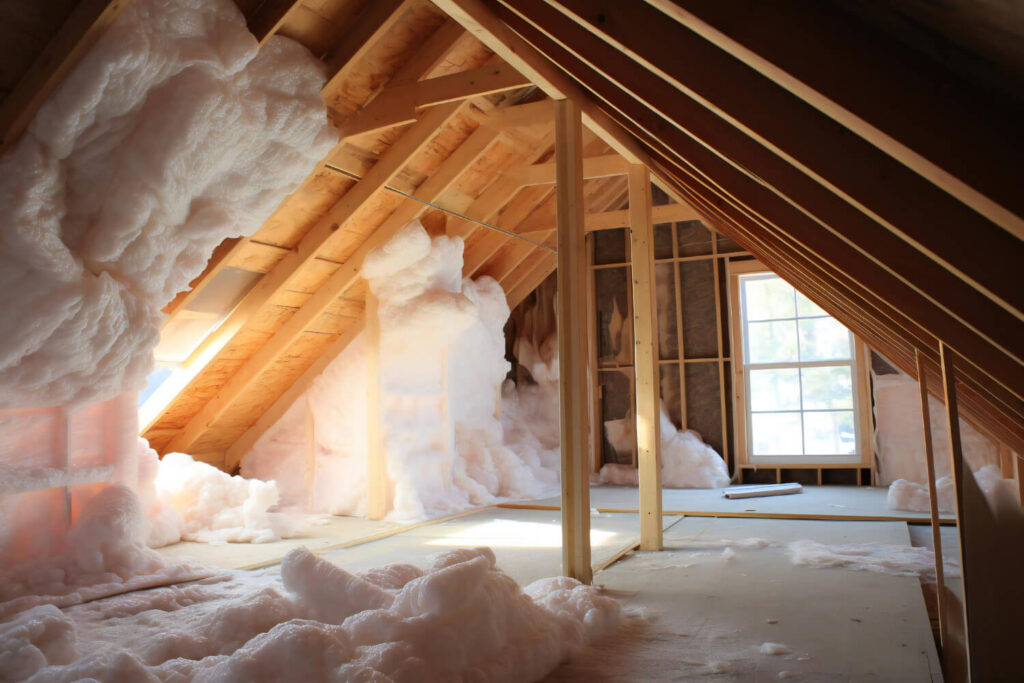
Reflective insulation is most effective in specific scenarios where radiant heat transfer is the primary concern. It is ideal for hot climates, particularly in attics, to reflect solar heat away from living spaces. It works best when facing an air gap of at least one inch, as this space is crucial for the reflective surface to effectively block radiant heat. It is less effective in cold climates where the goal is to retain heat, unless used in combination with other insulation types like fiberglass or foam. Common applications include under roof rafters, inside wall cavities facing air spaces, and around ductwork and pipes in attics to improve overall thermal performance.
Reflective insulation, often called radiant barrier insulation, operates on the principle of reducing radiant heat transfer. Its effectiveness is governed by key installation rules. A fundamental requirement is the presence of an adjacent air space of at least 3/4 inch; the reflective surface must face this open space to properly reflect radiant energy. It is crucial that the material remains clean and dust-free, as dust accumulation significantly diminishes its reflective properties. The insulation should also be installed in a way that minimizes compression and sagging. For optimal performance in attics, it is typically installed with the reflective side facing downward. Proper sealing of seams and edges with appropriate tape is recommended to maintain a continuous barrier. Following manufacturer specifications and local building codes is essential for safety and efficacy.
Reflective insulation is highly effective at managing cold temperatures by reducing radiant heat transfer. It works by reflecting radiant heat back toward its source, which in cold climates means keeping indoor warmth inside the building. When installed properly in attics, walls, or floors, it creates a barrier that significantly slows heat loss. For optimal performance in cold conditions, it should be paired with other insulation types like fiberglass or foam to address conductive and convective heat flow. This combination creates a comprehensive thermal envelope, improving overall energy efficiency and comfort while helping to lower heating costs by maintaining a more consistent indoor temperature.
Reflective insulation, often used in attics and walls, offers distinct advantages and disadvantages for spring installation. Its primary benefit is radiant heat control; by reflecting heat away, it helps keep homes cooler as temperatures rise, potentially reducing early cooling costs. This type of insulation is also thin, lightweight, and does not degrade over time, making it a durable option. However, its effectiveness is highly dependent on proper installation with an air gap, which can be tricky. A significant drawback is that it primarily addresses radiant heat only and offers minimal resistance to conductive heat flow (low R-value per inch). For comprehensive performance in spring's variable climate, it often needs to be combined with other insulation types like batts or blown-in material to effectively control both heat gain and any lingering conductive heat loss.
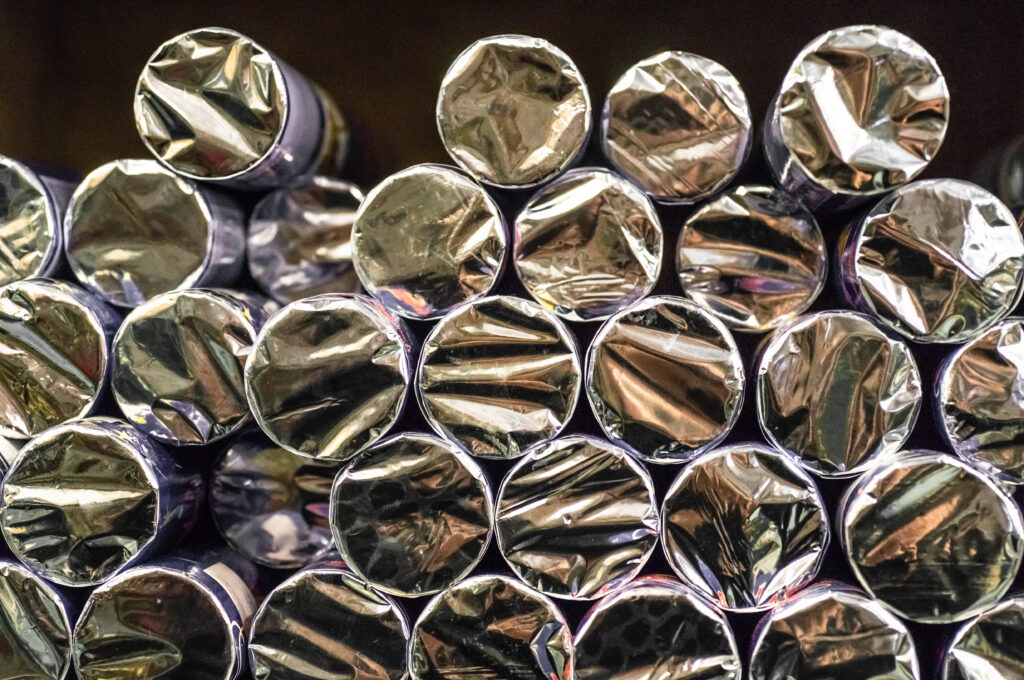
Reflective insulation is a practical choice for homes in Spring, Florida, due to its ability to manage radiant heat, which is a significant component of heat gain in hot, sunny climates. This type of insulation typically consists of a reflective surface, like aluminum foil, laminated to a substrate. It works by reflecting radiant heat away from the living space, rather than absorbing it. In attics, it is often installed under the roof rafters to reduce heat transfer into the home, complementing traditional bulk insulation. For optimal performance in Florida's humidity, proper installation with an air gap is crucial to allow the reflective surface to work effectively. This can enhance overall energy efficiency by reducing the cooling load on your HVAC system, potentially lowering utility bills.
20 reviews