Houston, TX Air Duct Cleaning Service & Insulation | Atticair
Reflective foil insulation, while effective in certain applications, has several notable disadvantages. Its primary limitation is that it only works effectively when facing an open air space, as it relies on reflecting radiant heat. If installed incorrectly or compressed, its performance drops significantly. It offers minimal resistance to conductive heat flow (low R-value) on its own and provides no inherent air sealing. It can also be prone to condensation issues if not paired with proper vapor barriers, potentially leading to mold or corrosion. Furthermore, it is easily torn or damaged during installation and is generally less effective in colder climates where conductive and convective heat loss are more dominant than radiant heat gain.
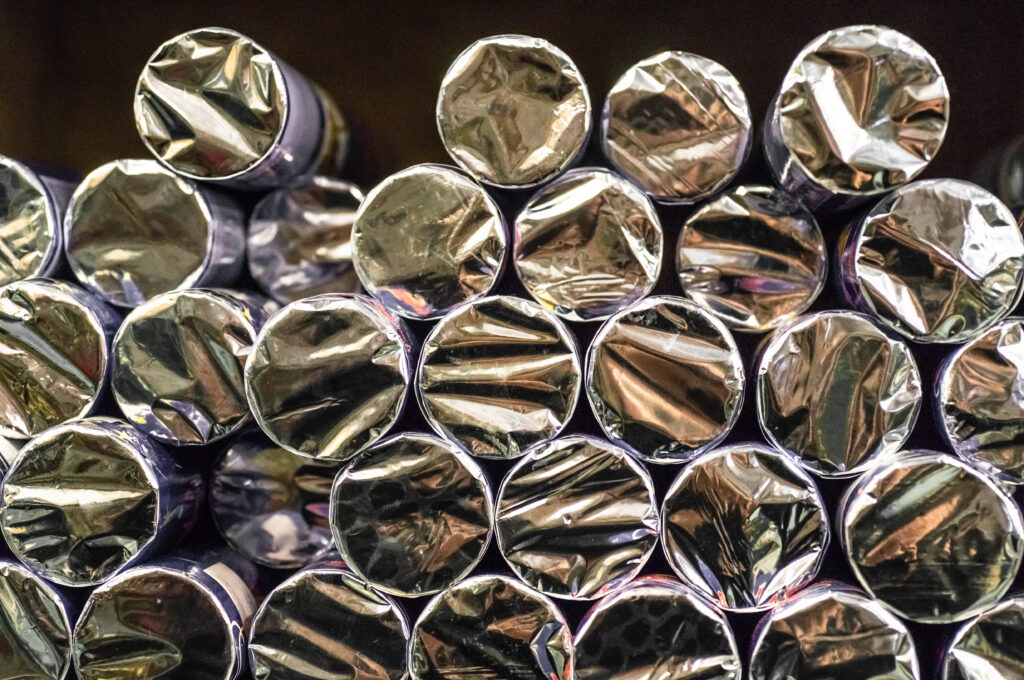
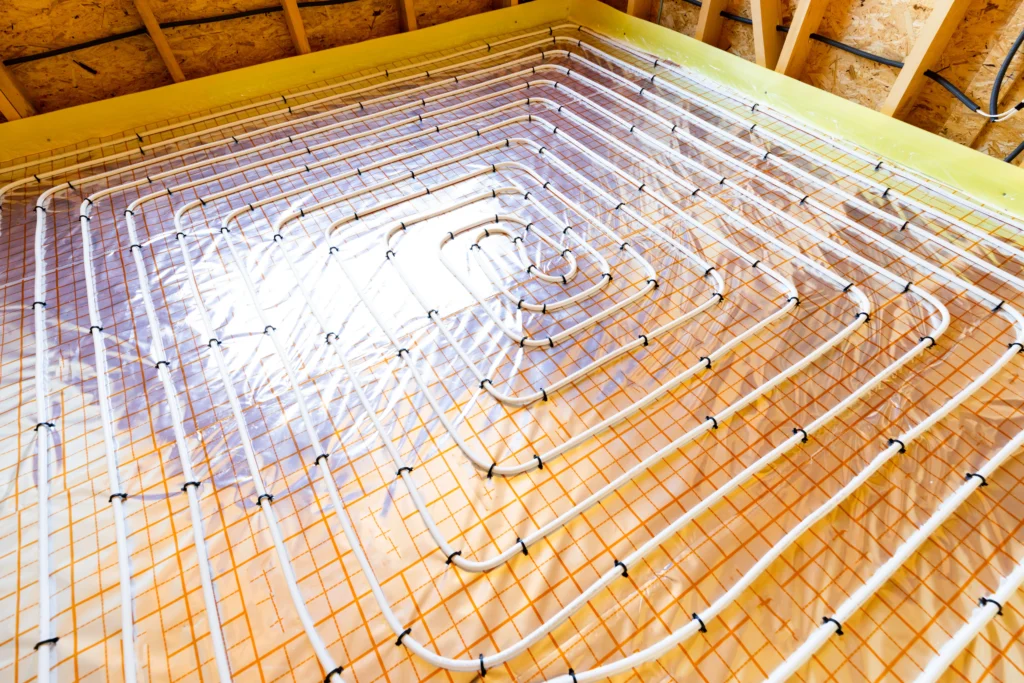
Reflective insulation is typically installed in specific areas where its ability to block radiant heat is most effective. In residential and commercial buildings, common placement includes attics, where it is often stapled to the underside of roof rafters or across attic floor joists to reflect summer heat away from living spaces. It is also used inside walls, particularly on exterior walls facing intense sun, and in crawl spaces. For maximum performance, it must face an air gap of at least 3/4 inch; the reflective surface (usually aluminum foil) must be clean and facing the open space to properly reflect radiant energy. Proper installation is crucial, as compressing it or letting it get dusty significantly reduces its insulating value.
People are removing spray foam insulation primarily due to improper installation, which can lead to significant problems. If not mixed or applied correctly by a certified professional, the foam can fail to cure fully. This off-gassing can create persistent, strong chemical odors and potentially degrade indoor air quality. In some cases, the uncured foam can also trap moisture within wall cavities, leading to hidden mold growth and wood rot that compromises structural integrity. Removal is a complex, specialized process to address these health and safety concerns, restore proper ventilation, and prepare for a correctly installed alternative insulation system.
Reflective insulation is primarily effective for reducing radiant heat transfer, making it ideal for hot climates and specific applications like attics, walls, and metal buildings. It works by reflecting radiant heat away from living spaces, often using materials like aluminum foil laminated to paper or plastic. This type of insulation is most beneficial when installed with an air gap facing the heat source, as it significantly improves performance by not allowing heat to conduct through. However, it is less effective at stopping conductive or convective heat flow, so it is often used in combination with other insulation types like fiberglass or foam for a comprehensive thermal barrier that addresses all modes of heat transfer.
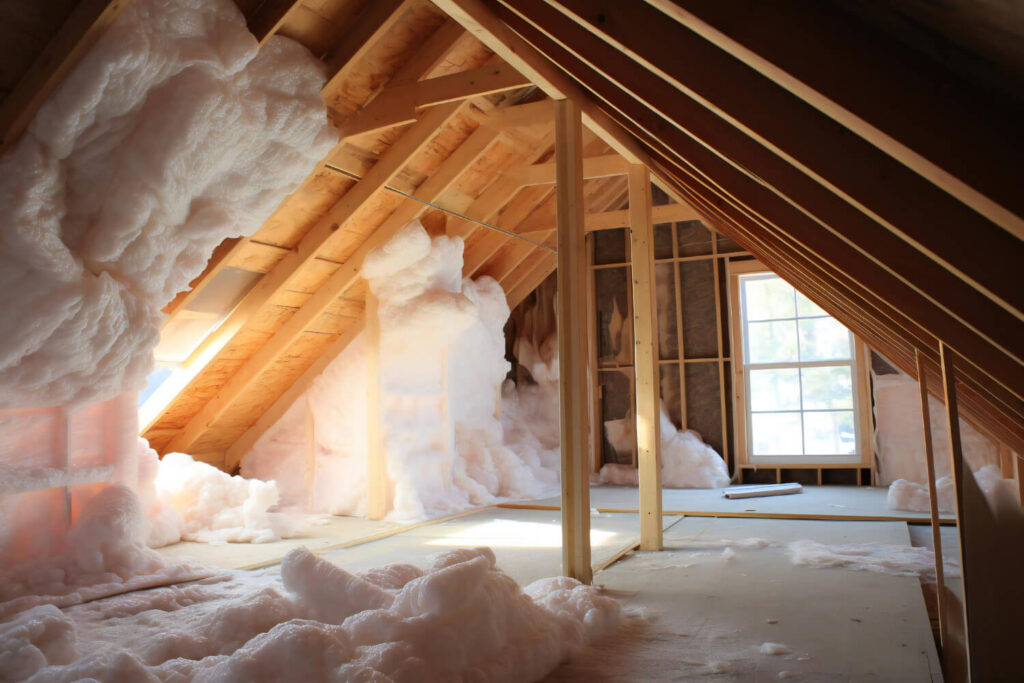
Reflective insulation is an effective solution for homes in Willis, Texas, particularly due to the region's hot and humid climate. This type of insulation works by reflecting radiant heat away from the living space, which is crucial for reducing cooling costs during long summers. It is often installed in attics, where it can significantly lower attic temperatures and lessen the burden on HVAC systems. For optimal performance in Willis, it should be combined with proper attic ventilation and air sealing to prevent moisture buildup and ensure energy efficiency. Professional assessment and installation are recommended to address local building codes and specific home needs, ensuring maximum thermal resistance and long-term savings.
20 reviews