Houston, TX Air Duct Cleaning Service & Insulation | Atticair
Reflective foil insulation, while effective in certain applications, has several notable disadvantages. Its primary limitation is that it only works effectively when facing an open air space, as it relies on reflecting radiant heat. If installed incorrectly or compressed, its performance drops significantly. It offers little to no resistance to conductive heat flow on its own, so it is often less effective in cold climates where conductive insulation like fiberglass or foam is superior. It can also be prone to condensation issues if not paired with a proper vapor barrier, potentially leading to mold or corrosion. Furthermore, installation can be challenging, as the foil must be kept clean and free of dust to maintain its reflectivity, and it requires meticulous sealing at seams to be fully effective.
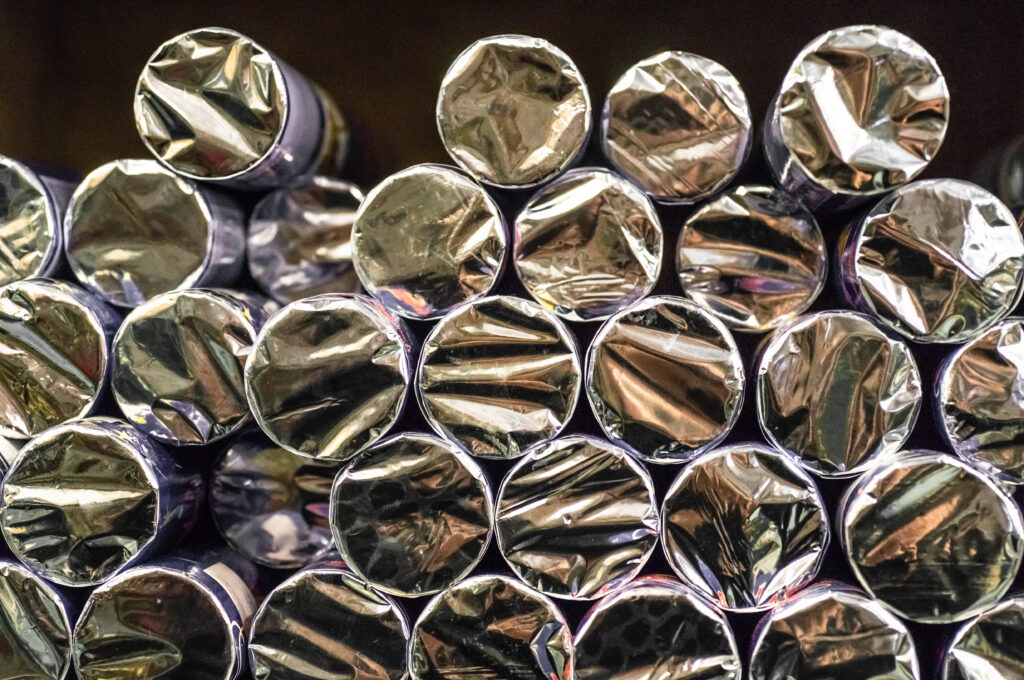
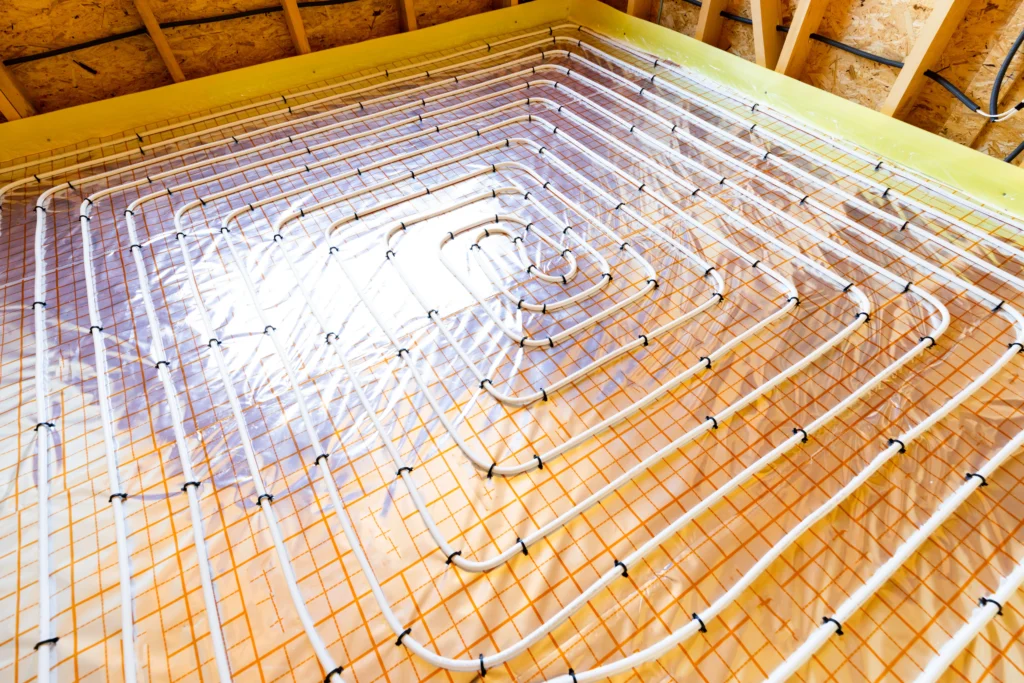
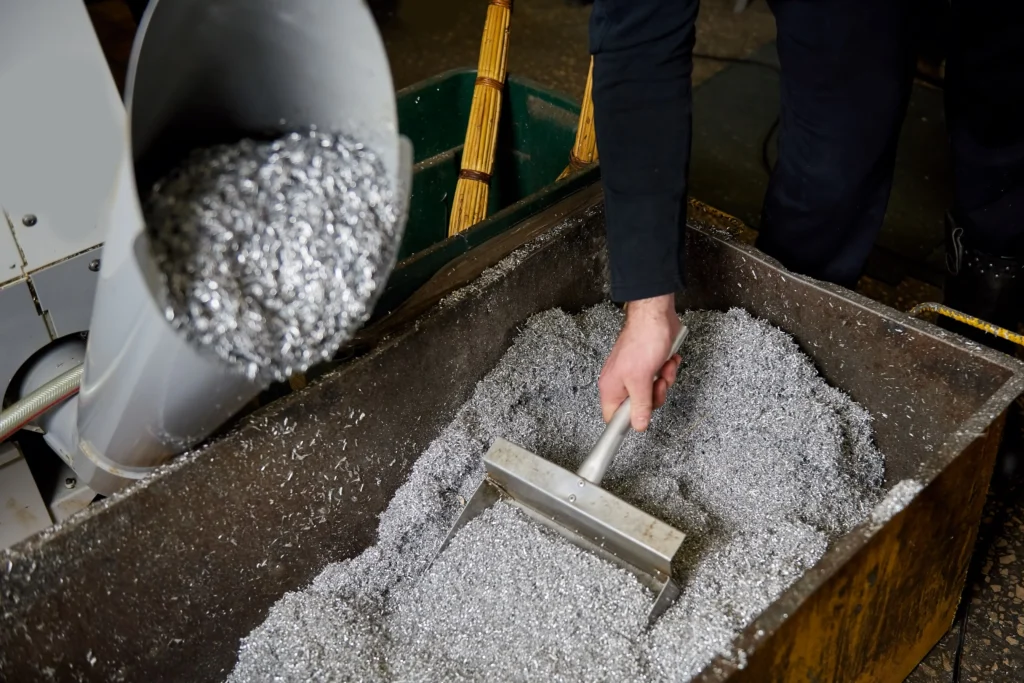
Reflective insulation, often called radiant barrier insulation, is designed to reduce heat transfer by reflecting radiant heat rather than absorbing it. It is typically made from aluminum foil laminated to paper or plastic and is most effective when installed with an air gap facing an open space, such as an attic. Its performance is highly dependent on proper installation and climate. In hot, sunny climates, it can significantly reduce cooling costs by reflecting solar heat away from the living space. However, it is less effective in colder climates where slowing conductive heat loss is more critical. For optimal energy efficiency, it is often used in combination with traditional bulk insulation like fiberglass or cellulose to address all types of heat transfer.
Reflective insulation is generally considered a cost-effective option compared to many traditional bulk insulation materials like fiberglass or spray foam. The initial material cost per square foot is often lower, and its lightweight, flexible nature typically makes DIY installation easier, saving on labor expenses. However, its effectiveness is highly dependent on proper installation with a required air gap, which is critical for reflecting radiant heat. For optimal performance in attics or walls, it is frequently used in combination with other insulation types. While not the most expensive option, the total system cost and suitability should be evaluated based on your specific climate, building codes, and the area of the home being insulated to ensure it meets your energy efficiency goals.
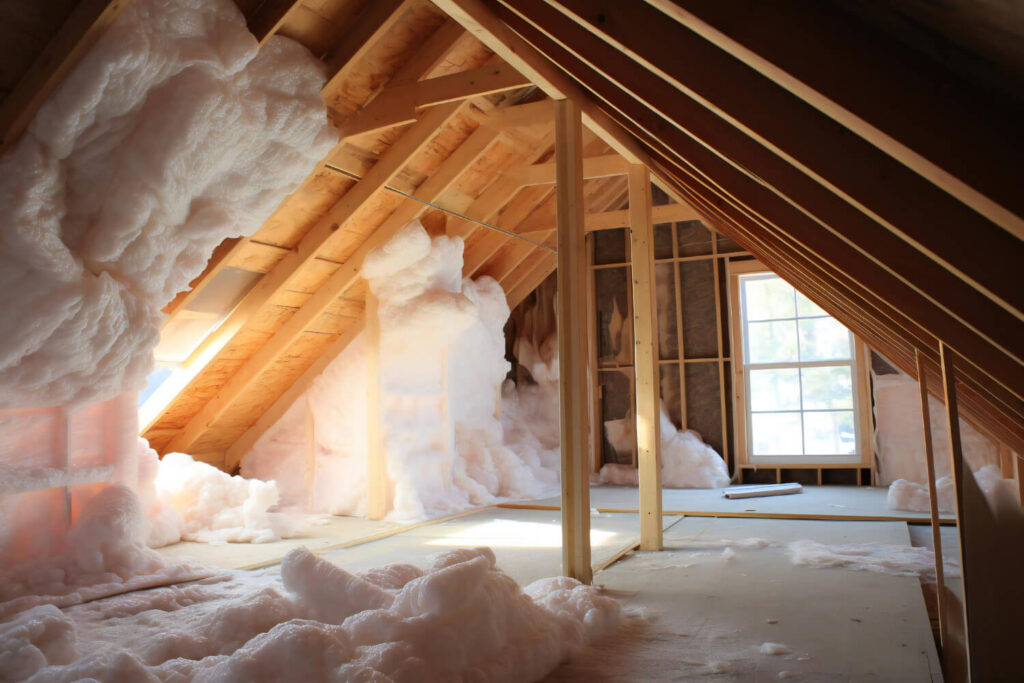
Spray foam insulation removal is increasingly common due to several key issues. Improper installation is a primary cause; if not mixed or applied correctly, it can fail to cure fully, leading to persistent off-gassing of volatile organic compounds (VOCs) and unpleasant odors that compromise indoor air quality. Moisture problems are another major driver. Spray foam can trap moisture within walls if there is a pre-existing leak or if it is applied in a way that disrupts a building's intended drying potential, leading to hidden rot and mold growth. Furthermore, homeowners sometimes remove it during renovations to access electrical wiring or plumbing, or to switch to a different insulation system that better suits their regional climate and house design. Professional assessment is crucial before undertaking removal, as the process is complex and can disturb other building materials.
20 reviews