Houston, TX Air Duct Cleaning Service & Insulation | Atticair
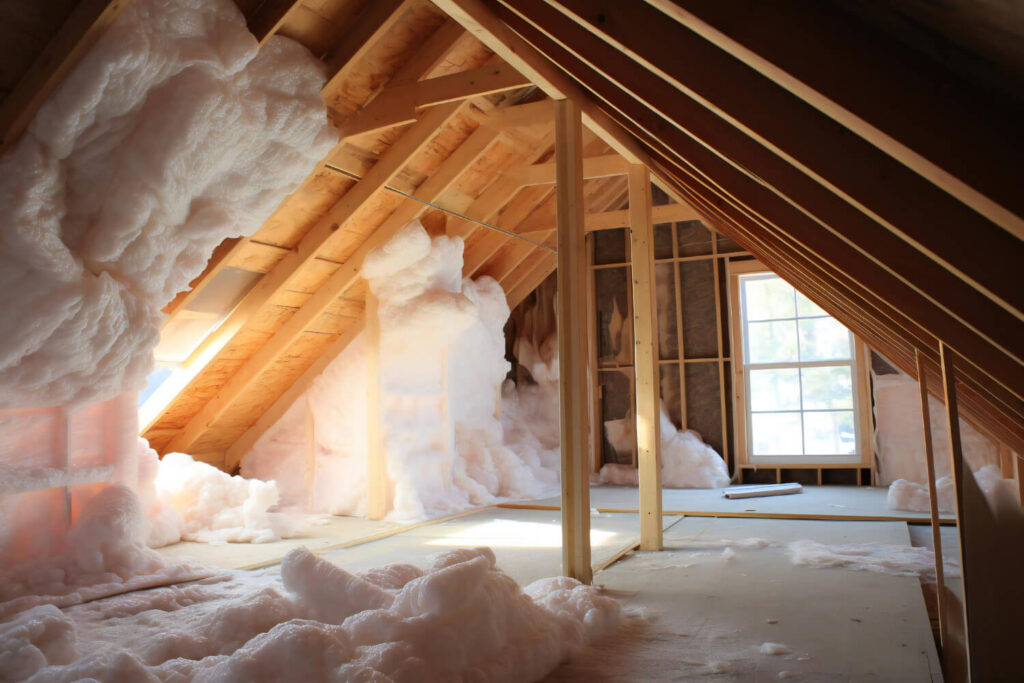
The cost to spray foam insulation for a 1000 sq ft area typically ranges from $1,500 to $4,000, with an average around $2,750. This wide range depends heavily on the type of foam used. Open-cell foam, which is less dense and has a lower R-value per inch, generally costs $0.44 to $0.65 per board foot, making it the more economical choice. Closed-cell foam, offering a higher R-value, superior air sealing, and moisture resistance, costs more, typically $1.00 to $1.50 per board foot. The final price is also influenced by the desired thickness (R-value), the complexity of the installation (like attic versus walls), regional labor rates, and the condition of the existing structure. For an accurate quote tailored to your specific project, it is always best to consult with a certified insulation professional who can assess the space.
People are removing spray foam insulation primarily due to improper installation, which can lead to significant problems. If not mixed or applied correctly, the foam may fail to cure fully, releasing unpleasant odors and potentially harmful volatile organic compounds (VOCs) into the indoor air. This can cause health concerns and persistent discomfort for occupants. Another key reason is moisture issues; spray foam is an excellent air barrier, but if installed in an existing roof leak or moisture-prone area, it can trap water against wood sheathing, leading to hidden rot and structural damage that only becomes apparent during removal. In some older homes, removal is part of a renovation to address these failures or to upgrade to newer, more expertly applied materials. Proper assessment by a qualified professional is crucial before deciding on removal, as it is a complex and costly process.
The cost to spray foam a 24x24 garage typically ranges from $1,500 to $4,500, with an average around $3,000. This wide range depends on several key factors. The type of foam is a primary cost driver: open-cell foam is less expensive (often $0.44 to $0.65 per board foot) but provides a lower R-value per inch, while closed-cell foam is more costly ($1.00 to $1.50 per board foot) but offers a superior air and moisture barrier with a higher R-value. The desired R-value and thickness of application directly impact material usage. Other variables include the complexity of the garage structure (e.g., ceiling height, obstructions), your geographic location and labor rates, and whether existing insulation needs removal. For a standard 24x24 space with an 8-foot ceiling, you are generally looking at insulating approximately 1,920 square feet of wall and ceiling area. It is crucial to obtain multiple detailed quotes from licensed and insured professionals who will assess your specific garage and provide a scope of work outlining the foam type, thickness, and total cost.
Selling a house with spray foam insulation can be challenging due to several key factors. First, if the installation was not performed correctly, it can lead to serious moisture entrapment and wood rot within walls, which is a major red flag for home inspectors and buyers. Second, some buyers are concerned about potential off-gassing of volatile organic compounds (VOCs) from certain foam materials, impacting perceived indoor air quality. Finally, spray foam can complicate future renovations or electrical work, as it is permanent and difficult to remove. While properly installed spray foam is an excellent insulator, these potential issues require thorough documentation and disclosure, which can slow down or deter a sale if not managed transparently.
Spray foam insulation can be purchased from several types of retailers in the Crosby area. For professional-grade, two-component kits, your best options are building supply and contractor supply houses. Major national chains like Home Depot or Lowe's often carry smaller, consumer-friendly spray foam kits from brands like Dow Froth-Pak or Touch 'n Seal. For a wider selection and expert advice, seek out local specialty insulation distributors or lumberyards that cater to professional contractors. It is highly recommended to consult with a professional installer, like Atticair, before purchasing, as proper equipment and training are crucial for safe and effective application. Incorrect installation can lead to performance issues and even moisture damage within the building envelope.
20 reviews