Houston, TX Air Duct Cleaning Service & Insulation | Atticair
The cost to spray foam insulation for a 1000 sq ft area typically ranges from $1,500 to $4,000, with an average around $2,750. This wide range depends heavily on the type of foam used. Open-cell foam, which is less dense and has a lower R-value per inch, generally costs $0.44 to $0.65 per board foot, making it the more economical choice. Closed-cell foam, which provides a superior air seal and higher R-value, costs between $1.00 and $1.50 per board foot. The final price is also influenced by the desired thickness (R-value), the complexity of the job (like attic obstructions or cathedral ceilings), your geographic location, and the contractor's expertise. For an accurate quote, it is essential to get a professional assessment that measures board feet, not just square footage, as thickness is a critical cost factor.
Spray foam insulation removal is increasingly common due to several key issues. Improper installation is a primary cause; if not mixed or applied correctly, it can fail to cure fully, leading to persistent off-gassing of volatile organic compounds (VOCs) and unpleasant odors that compromise indoor air quality. Moisture problems are another major driver; foam can trap water against roof decks or within walls, leading to hidden rot and structural damage. Homeowners also remove it for renovations, to access wiring or plumbing, or due to a previous installation that is now degraded or settling. In some cases, removal is necessary to rectify these problems and allow building materials to dry properly, preventing mold and ensuring a healthy, durable structure.
The cost to spray foam a 20x20 (400 sq. ft.) garage typically ranges from $1,500 to $3,000, with an average around $2,200. This price is for closed-cell spray foam, which is the standard for garage applications due to its high R-value per inch and moisture barrier properties. The final cost depends on the desired thickness (e.g., 2 inches for walls, 3-4 inches for the ceiling), local labor rates, the condition and prep work required for the existing structure, and whether the project includes the garage door. Open-cell foam is a less expensive option but is not generally recommended for garages as it is less dense and provides no vapor retarder. Always obtain multiple detailed quotes from certified insulation contractors who assess your specific space.
The cost to spray foam a 40x60 building (2,400 sq ft of floor space) varies significantly based on the type of foam, desired R-value, and regional labor rates. For closed-cell foam, which provides a high R-value per inch and acts as an air and vapor barrier, you can expect a price range of $1.50 to $3.00 per board foot. For a building with walls and a ceiling, total board feet often far exceed the square footage. A rough estimate for insulating such a structure with closed-cell foam could range from $7,000 to $15,000 or more. Open-cell foam, which is less expensive at $0.44 to $0.65 per board foot, would cost less but requires more thickness for equivalent R-value. Always obtain multiple detailed quotes from certified installers, as proper application is critical for performance and safety.
Spray foam insulation is a highly effective choice for homes in Aldine, with the "best" type depending on your specific project needs. For most residential applications, open-cell foam is excellent for interior walls and sound dampening, as it expands to fill cavities. For roofs, crawlspaces, and areas needing a high R-value and moisture barrier, closed-cell foam is superior due to its structural strength and vapor resistance. The key to a successful installation is not just the product but the certified professional applying it. A qualified contractor in Aldine will assess your home's air sealing needs, local climate considerations, and building codes to recommend the optimal foam system for energy efficiency, durability, and overall performance.
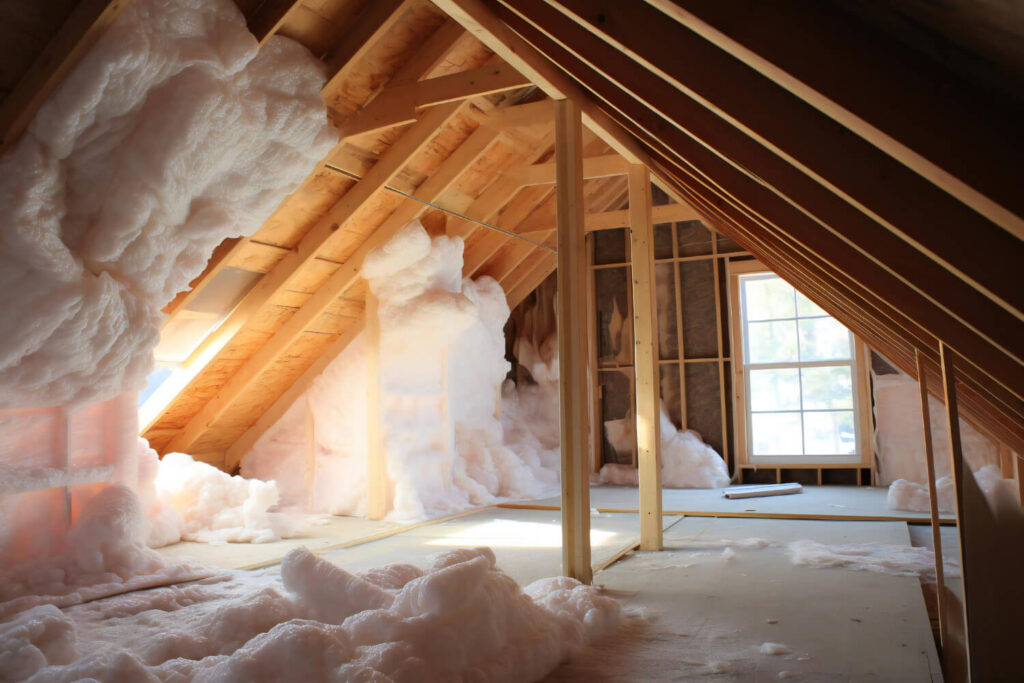
Spray foam insulation, often referred to in industry terms like "spout" or "spray" applications, is a high-performance building insulation and air barrier material. For a comprehensive service like Atticair's, professional application is critical. Closed-cell foam provides a high R-value per inch and acts as a structural reinforcement and moisture barrier, while open-cell foam is excellent for sound dampening and filling irregular cavities. A certified technician will assess your attic or building envelope to determine the correct type and thickness, ensuring it seals air leaks completely. This creates a conditioned space, improving indoor air quality by reducing allergen infiltration and significantly boosting energy efficiency, which lowers heating and cooling costs year-round. Proper installation is key to maximizing these benefits and preventing issues like off-gassing or improper curing.
20 reviews