Houston, TX Air Duct Cleaning Service & Insulation | Atticair
The cost to spray foam insulation for a 1000 sq ft area typically ranges from $1,500 to $4,000, with an average around $2,750. This wide range depends heavily on the type of foam used. Open-cell foam, which is less dense and has a lower R-value per inch, generally costs $0.44 to $0.65 per board foot, making it the more economical choice. Closed-cell foam, offering a higher R-value, superior air sealing, and moisture resistance, costs more, typically $1.00 to $1.50 per board foot. The final price is also influenced by the desired thickness (R-value), the complexity of the installation (like attic versus walls), regional labor rates, and the condition of the existing structure. For an accurate estimate, it is highly recommended to obtain a professional assessment from a certified installer who can evaluate your specific project needs.
People are removing spray foam insulation primarily due to improper installation, which can lead to significant problems. If not mixed or applied correctly, the foam may fail to cure fully, releasing unpleasant and potentially harmful volatile organic compounds (VOCs) into the indoor air. This can cause persistent odors and health concerns. Another major reason is moisture entrapment; if spray foam is applied to a roof deck or wall with existing or future leaks, it can hide water damage, leading to rot and structural issues that are costly to repair. In some older homes, removal is necessary to address these hidden defects or to upgrade to a more modern and properly installed insulation system that performs as intended for energy efficiency and safety.
The cost to spray foam insulate a 24x24 garage typically ranges from $1,500 to $4,500, with an average around $3,000. This wide range depends on several key factors. The type of foam is a primary cost driver; open-cell foam is less expensive (often $0.44 to $0.65 per board foot) but provides a lower R-value per inch, while closed-cell foam is pricier ($1.00 to $1.50 per board foot) but offers a superior air and moisture barrier with a higher R-value. The required thickness (R-value), the condition and prep work needed for the existing structure, your geographic location, and the complexity of the installation (e.g., cathedral ceilings, many obstructions) all significantly influence the final price. For a 576-square-foot area with walls and ceiling, a professional assessment is crucial for an accurate quote, as proper installation is essential for performance and safety.
Selling a house with spray foam insulation can be challenging due to several key concerns that may arise during a home inspection or buyer's due diligence. A primary issue is improper installation, which can lead to moisture being trapped within walls, potentially causing rot, mold, and structural damage. Some buyers are also wary of off-gassing from certain chemical components, though modern formulations have largely addressed this. Furthermore, if the insulation needs future repair or modification, it is difficult and costly to remove compared to traditional materials like fiberglass. To mitigate these concerns, sellers should provide documentation from a certified professional verifying the installation was done correctly and meets all building codes, as this can significantly reassure potential buyers.
Spray foam insulation pricing in the Eastex Jensen area depends on several key factors. The primary considerations are the type of foam—open-cell is generally less expensive than closed-cell—and the project's square footage and complexity. For a standard attic application, you can expect a broad range, but industry standards suggest an average cost between $1.50 to $3.50 per board foot for open-cell and $3.00 to $6.50 for closed-cell foam. Local labor rates, accessibility of the space, and the desired R-value also significantly influence the final quote. It is crucial to obtain a detailed, on-site assessment from a certified professional, as proper installation is essential for achieving the promised energy efficiency, air sealing benefits, and a strong return on investment.
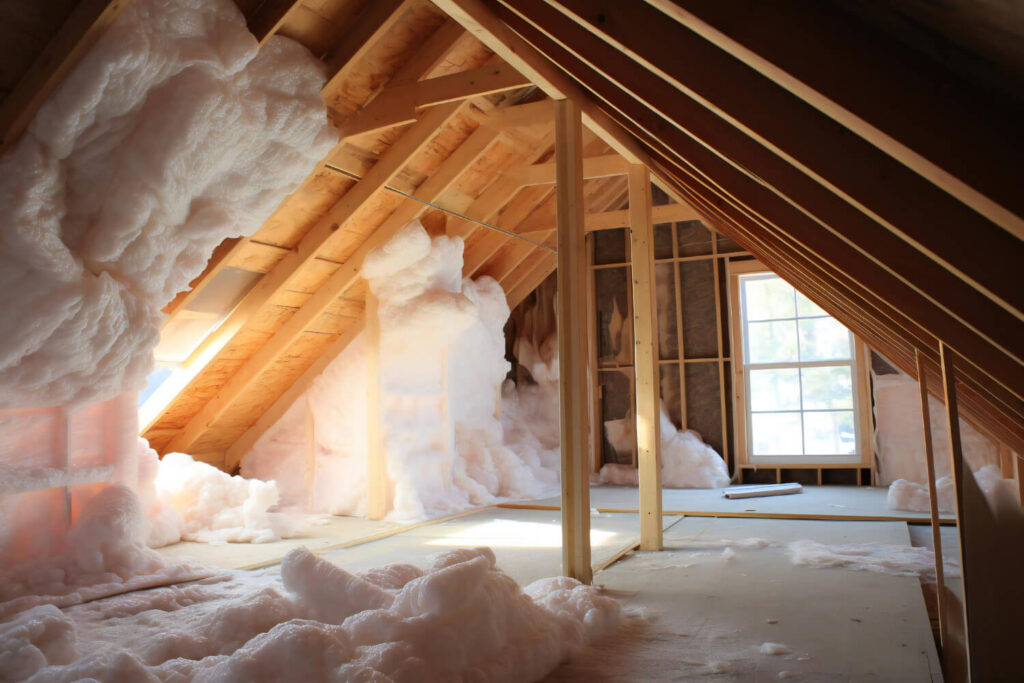
Spray foam insulation is highly effective for creating an airtight seal and improving energy efficiency in the Eastex Jensen area. The best type typically depends on your specific project needs. For most residential applications, closed-cell spray foam is often recommended due to its high R-value per inch (around R-6.5 to R-7), superior moisture barrier, and structural strength. It is ideal for attics, walls, and crawl spaces. Open-cell spray foam is a good, more cost-effective option for sound dampening and interior applications where a vapor-permeable barrier is acceptable. Always ensure your installer is certified and uses high-quality, industry-standard materials to guarantee proper installation, safety, and long-term performance that meets local building codes and climate demands.
20 reviews