Houston, TX Air Duct Cleaning Service & Insulation | Atticair

Spray Foam Insulation in Second Ward

    Spray foam insulation can be used as a great help to regulate the temperatures inside and increase the level of energy efficiency, besides making the living conditions more comfortable. Spray foam will also ensure the temperature is maintained in your Second Ward house, reduce the amount of energy lost, and make your house comfortable throughout the year, whether stuffy or cold. With the proper installation, your air conditioning and heating systems will run optimally cost lessening your electric bills and adding to the comfort they bring you indoors.

    Spray foam insulation is an ideal insulation when it comes to new buildings and when it comes to renovating a home. It provides a superior air sealing characteristic and has the ability to create a quiet and more efficient home. Our crew offers quality spray foam insulation, which is long-lasting, always dependable, and gives you long-term savings in your utility bills.

    Professional Spray Foam Insulation Services

    Spray foam insulation is available in Second Ward that we provide and tailor to the needs of your house. Your homes are different, and we would take into consideration your individual needs in terms of comfort, energy efficiency, and space when offering you the best spray foam solution to apply in your homes.

    Our services include

    Attic Spray Foam Insulation

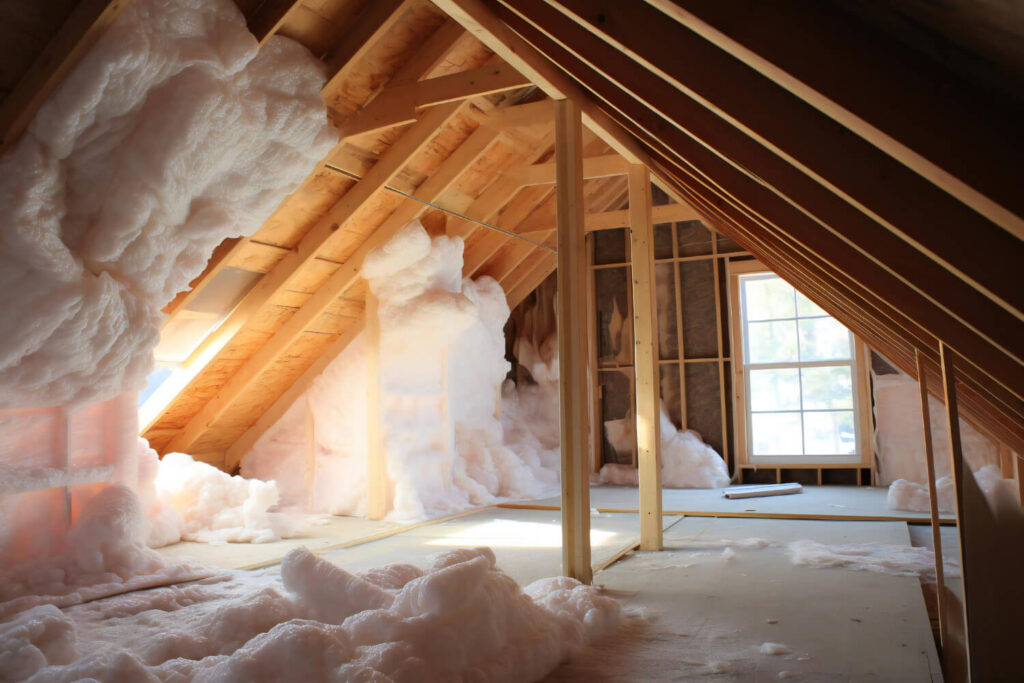
    Your attic should be sprayed with insulation foam that forms a tight enclosure that does not allow air leaks that allow heat to escape during summer and keep your house warm during the winter. This form of insulation not only assists in regulating the temperatures of your house, but it also minimises the chances of mould and moisture corrosion that can undermine the structure of your house. When the attic is insulated properly, it will enhance the efficiency of your HVAC system and will reduce your energy bills.

    Wall Spray Foam Insulation

    The advantage of insulating your walls with the spray foam is that you are able to regulate the temperature of your house internally so that you do not lose heat during the winter nor do you gain heat during the summer. The spray foam insulation can seal the holes and is also inflated to fit in which provides a tight fit that promotes the effectiveness of your heating and cooling systems. Soundproofing is also beneficial and reduces drafts, and thus makes it more comfortable to live in all year round.

    Garage & Exterior Wall Insulation

    By insulating your garage and the exterior walls with spray foam, you will maintain the interior temperature of your garage and walls at the same level and reduce the amount of heat that permeates your house. This is needed especially during high seasons such as summer in Second Ward, when the air can be overly hot, and this will overwork your HVAC system. The moisture is kept out of the walls, which may result in mould and structural damage, with adequate insulation. Outside wall insulation will also allow your HVAC system to attain the desired temperature with less effort, which will save you money in your utility bills.

    Crawl Space & Basement Insulation

    The area where spray foam insulation is highly applicable is the insulation of crawl spaces and basements, which, in most situations, are not factored in regarding energy efficiency. These spaces would open the drafts, moisture, and air, and this would make the temperature inside your house fluctuate. These spaces are sealed with spray foam, which assists in keeping the warm air during winter and the cool air during summer. It also contributes towards the prevention of mould and mildew growth, which may destroy the framework of your house and affect the quality of the air within the house. When your crawl space or basement is insulated appropriately, then you will also be able to make a contribution to the overall effectiveness and comfort of your home.

    Client Reviews

    Our services

    Why Choose Us for Spray Foam Insulation?

    When installing spray foam insulation, it is important to choose the right contractor so as to have the best results. Leakages, energy losses and gaps may occur as a result of poor installation. Our group has extensive experience in dealing with homes in Second Ward and is well knowledgeable on the local climate and construction needs. We apply the best quality materials and also offer long-lasting and sustainable solutions in all projects.

    Here’s why homeowners in Second Ward trust us:

    Zip Codes we serve in Second Ward

    Service Areas

    Get a Free Estimate for Spray Foam Installation

    When you are willing to make your home comfortable, energy-efficient and with better indoor air quality, we are there to assist. Spray foam insulation is also among the investments that you can make in the long-run to save more and live better.

    Call us today for a free estimate and let us show you the difference professional spray foam insulation can make in your Second Ward home.

    People Also Ask

    Spray foam insulation can make selling a house challenging due to common buyer misconceptions and potential inspection issues. While it is a high-performance air barrier and offers excellent energy efficiency, some buyers fear it may conceal structural problems like roof leaks or wood rot, as it adheres directly to sheathing. There is also concern over improper installation, which can lead to off-gassing of chemicals if not mixed correctly. Additionally, if the foam was added to an older home without addressing ventilation, it can create moisture problems. To ease sales, sellers should provide documentation from a certified installer, recent energy bills showing savings, and consider a specialized inspection to verify the installation's integrity and safety.

    Spray foam insulation should not be used in certain areas due to fire safety, moisture, and structural concerns. Avoid applying it directly to the underside of roof sheathing in unconditioned attics without proper ventilation, as this can trap moisture and lead to rot. It is also unsuitable for areas around heat-producing fixtures like recessed lighting or chimney flues unless using a fire-rated barrier. Do not use it to insulate over knob-and-tube wiring, as it can overheat the old wires. Furthermore, spray foam should not be applied in confined spaces without proper protective gear for the installer due to toxic fumes during application. Always consult building codes and a professional for specific project guidance.

    Spray foam insulation can sometimes lead to home loan rejections due to concerns over improper installation and moisture damage. If installed incorrectly in enclosed roof spaces like attics, it can trap moisture against the roof sheathing, leading to undetectable rot and mold that compromises structural integrity. Some types of older spray foam also used blowing agents that are now restricted. Lenders and appraisers may flag these risks, fearing costly repairs and potential health hazards that affect the home's value and marketability. To avoid issues, homeowners should ensure installation is performed by certified professionals following all building codes and may need to provide documentation and moisture inspections to satisfy lender requirements.

    Insurance companies may hesitate to insure homes with spray foam insulation due to concerns over improper installation and long-term risks. If installed incorrectly, it can trap moisture within walls, leading to hidden rot, mold growth, and structural damage. Some older formulations also posed potential off-gassing issues. Insurers view these as significant liabilities that could lead to costly claims. However, this is not a universal ban. Many insurers will provide coverage if the installation is performed by a certified professional, includes proper ventilation detailing, and is accompanied by a thorough inspection report. Homeowners should always verify contractor credentials and ensure the product meets current building codes.

    Spray foam insulation is a highly effective solution for homes in Second Ward, Houston, TX, offering superior energy efficiency and air sealing. In Houston's humid climate, closed-cell spray foam is particularly valuable as it acts as a moisture barrier, helping to prevent mold growth and improving indoor air quality. It also strengthens the building structure and provides excellent thermal resistance, which is crucial for managing high cooling costs. When considering this upgrade, it's essential to hire a certified professional who understands local building codes and can properly assess your attic's ventilation needs to avoid potential issues like roof damage. Proper installation ensures long-term savings and enhanced home comfort.

    The cost of spray foam insulation in the Second Ward area varies based on project specifics. For open-cell spray foam, which is less dense and has a lower R-value per inch, prices might range from $1.00 to $1.50 per board foot. Closed-cell foam, offering a higher R-value and moisture barrier, typically costs between $1.50 and $3.00 per board foot. The total price is influenced by the square footage, desired R-value, and the complexity of the installation, such as accessibility in attics or walls. We recommend obtaining a detailed, in-person estimate from a certified professional, as proper installation is crucial for performance, energy savings, and maintaining indoor air quality by preventing moisture issues.

    Spray foam insulation in the Second Ward area offers a highly effective solution for improving energy efficiency and indoor air quality. This professional service involves applying polyurethane foam that expands to seal every crack and crevice, creating a superior air barrier compared to traditional materials like fiberglass. For residents and businesses in Second Ward, proper installation by certified technicians is crucial, as it requires precise mixing and application to ensure optimal performance and safety. A reputable local provider like Atticair can assess your specific needs, ensuring the foam is correctly installed in attics, walls, or crawl spaces to reduce energy bills, minimize moisture intrusion, and enhance overall comfort. Always verify that the contractor follows local building codes and manufacturer specifications for lasting results.

    Google

    Overall Rating

    5.0
    ★★★★★

    20 reviews