Houston, TX Air Duct Cleaning Service & Insulation | Atticair
The cost to spray foam insulation for a 1000 sq ft area typically ranges from $1,500 to $4,000, with an average around $2,750. This wide range depends heavily on the type of foam used. Open-cell foam, which is less dense and has a lower R-value per inch, usually costs $0.44 to $0.65 per board foot, making it the more economical choice. Closed-cell foam, offering a higher R-value and moisture barrier, costs significantly more, typically $1.00 to $1.50 per board foot. The final price is also influenced by the desired thickness (R-value), the complexity of the attic or wall cavities, regional labor rates, and the condition of the existing structure. For an accurate quote, it is essential to get a professional assessment from a certified installer who can evaluate the specific project requirements and local building codes.
People are removing spray foam insulation primarily due to improper installation, which can lead to significant problems. If not mixed or applied correctly, the foam may fail to cure fully, releasing unpleasant and potentially harmful volatile organic compounds (VOCs) into the indoor air. This can cause persistent odors and health concerns. Another key reason is moisture entrapment; if spray foam is applied over existing moisture or a leak develops later, it can trap water against roof decks or wall sheathing, leading to hidden rot and structural damage. Removal is often a last resort to address these air quality and integrity issues, requiring professional remediation to restore the building envelope safely.
The cost to spray foam a 20x20 (400 sq. ft.) garage typically ranges from $1,500 to $3,000, with an average around $2,200. This price is for closed-cell spray foam, which is the most common and effective choice for garage applications due to its high R-value per inch and moisture barrier properties. The final cost depends on the desired thickness (R-value), the condition and prep work needed for the existing structure, local labor rates, and the height of the walls and ceiling. Open-cell foam is a less expensive option but is not generally recommended for garages as it requires a vapor barrier and offers less structural strength. Always obtain multiple detailed quotes from certified insulation contractors who assess your specific space, including any air sealing needs, to ensure proper installation and performance.
Selling a house with spray foam insulation can be challenging due to potential buyer concerns about its long-term implications. While it offers excellent energy efficiency and air sealing, some buyers worry about future issues. A primary concern is the difficulty and cost of inspecting or repairing wiring, plumbing, or roof leaks hidden behind the foam, which may require professional removal. There is also lingering apprehension about older installations using certain chemical formulas that could off-gas if improperly mixed. To mitigate these issues, sellers should provide documentation from a certified installer, including product specifications and any relevant building code approvals, to demonstrate the insulation was professionally and correctly applied.
For purchasing spray foam insulation in Denver Harbor, Houston, start by checking local home improvement stores like Home Depot or Lowe's, which often carry DIY spray foam kits. For professional-grade materials or larger projects, consider specialized insulation suppliers such as Insulation Depot USA or ABC Supply Co., which have locations in the greater Houston area. It's crucial to choose the right type—open-cell for sound dampening or closed-cell for moisture resistance—based on your specific needs. Always consult with a professional, like Atticair, to ensure proper installation, as incorrect application can lead to inefficiency and moisture issues. Verify product ratings and local building codes before purchase.
Spray foam insulation costs in Denver Harbor, Houston, can vary based on project specifics. For open-cell spray foam, which is less dense and provides excellent sound dampening, homeowners might expect a price range of approximately $1.00 to $1.50 per board foot. Closed-cell foam, offering a higher R-value per inch and moisture resistance, typically costs between $1.50 and $3.00 per board foot. The total project cost is influenced by the area's square footage, the desired R-value, and the complexity of the installation, such as accessibility in attics or walls. Local factors like labor rates and material availability in the Houston area also affect pricing. For an accurate estimate, it is essential to obtain a professional assessment from a certified insulation contractor who can evaluate the specific needs of your property.
Spray foam insulation is a highly effective choice for Denver Harbor homes, with the best option typically being closed-cell spray foam due to its superior air sealing and moisture resistance. It provides an exceptional R-value per inch, which is crucial for creating a strong thermal barrier against Houston's humidity and temperature swings. When selecting a provider, ensure they are certified by organizations like the Spray Polyurethane Foam Alliance (SPFA) and use high-quality, industry-standard materials. A professional assessment is vital to determine the correct foam type and thickness for your specific attic or wall cavities, ensuring optimal energy efficiency, indoor air quality, and long-term structural protection from the local climate.
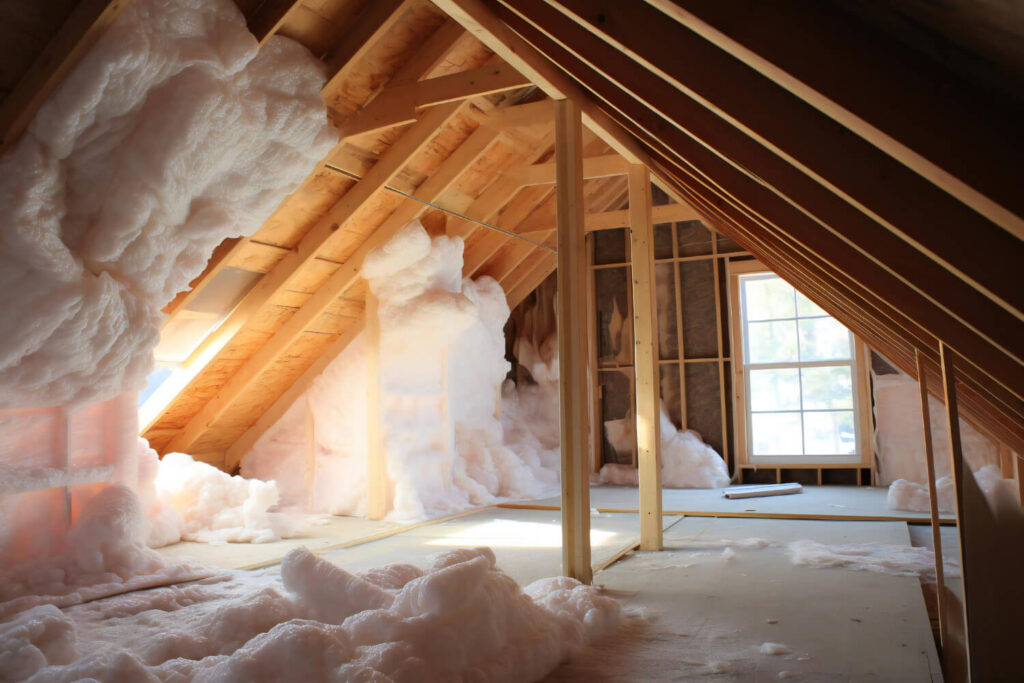
Rocky Mountain Spray Foam is a professional insulation method that involves applying polyurethane foam to create an airtight and moisture-resistant barrier in a building's structure. This technique is highly effective for both new construction and retrofitting older homes, particularly in regions with extreme temperature fluctuations. The foam expands to fill cracks, gaps, and hard-to-reach areas, providing superior thermal resistance compared to traditional materials like fiberglass. Proper installation by certified professionals is crucial to ensure performance and safety, as incorrect application can lead to off-gassing or moisture issues. For optimal indoor air quality and energy efficiency, combining spray foam insulation with a comprehensive duct cleaning and sealing service from a company like Atticair is recommended.
20 reviews