Houston, TX Air Duct Cleaning Service & Insulation | Atticair
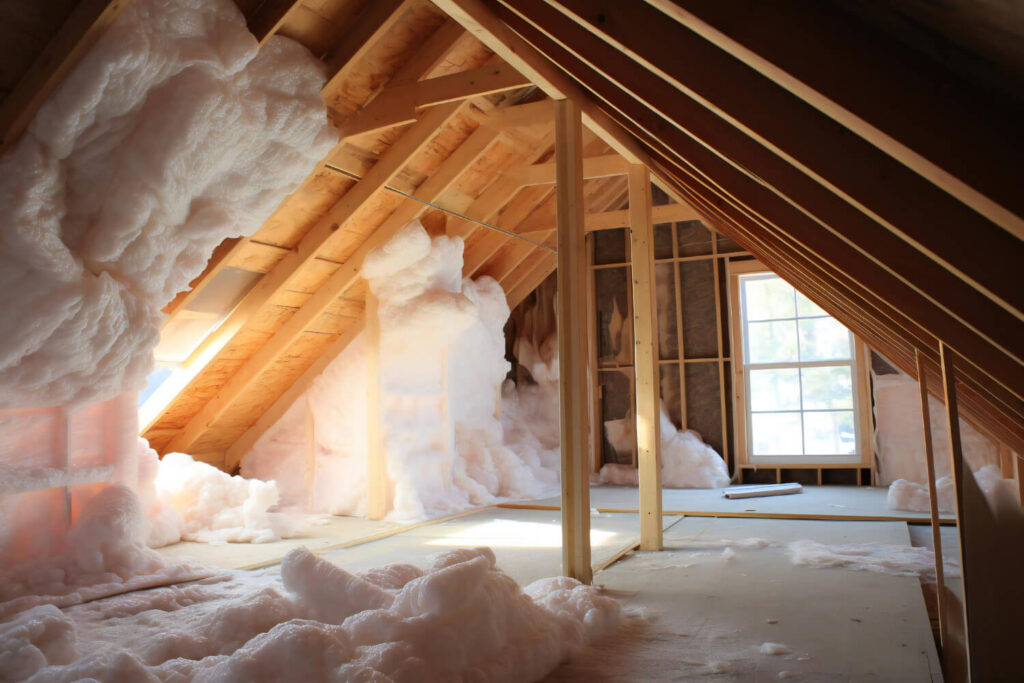
The cost to spray foam insulation for a 1000 sq ft area typically ranges from $1,500 to $4,000, with an average around $2,750. This wide range depends heavily on the type of foam used. Open-cell foam, which is less dense and has a lower R-value per inch, generally costs $0.44 to $0.65 per board foot, making it the more economical choice. Closed-cell foam, offering a higher R-value, superior air sealing, and moisture resistance, costs significantly more, usually $1.00 to $1.50 per board foot. The final price is also influenced by the desired thickness (R-value), the complexity of the installation (attic vs. walls, accessibility), regional labor rates, and the condition of the existing structure. For an accurate quote, it is highly recommended to obtain a professional assessment from a certified installer who can evaluate your specific project needs.
People are removing spray foam insulation primarily due to improper installation, which can lead to significant problems. If not mixed or applied correctly, the foam may fail to cure fully, releasing unpleasant and potentially harmful volatile organic compounds (VOCs) into the indoor air. This can cause persistent odors and health concerns. Another key reason is moisture entrapment; if spray foam is applied to a roof deck or in areas with existing leaks, it can trap moisture against wood, leading to hidden rot and structural damage that goes undetected until it is severe. Removal is a complex, costly process often necessary to address these health and safety risks and to rectify the original installation errors.
The cost to spray foam insulate a 24x24 garage can vary widely, typically ranging from $1,500 to $4,500 or more. The final price depends on several key factors. The most significant is the desired R-value and foam thickness; open-cell foam is less expensive but provides a lower R-value per inch, while closed-cell foam is costlier but offers a superior air and moisture barrier. Other cost variables include the condition and prep work needed for the existing structure, local labor rates, the height of the walls and ceiling, and whether you are insulating just the walls or the ceiling as well. For a project of this size, obtaining multiple detailed quotes from certified insulation contractors is essential to compare specifications and ensure proper installation for maximum energy efficiency.
Spray foam insulation can complicate home sales due to potential buyer concerns about moisture and structural integrity. While it is an excellent air barrier when installed correctly, improper application can trap moisture within walls, leading to undetected rot or mold. Some buyers are wary of the material's permanence and the difficulty of inspecting or repairing wiring or plumbing behind it. Additionally, if the foam was not installed with proper fire-rated coatings, it can raise insurance and safety questions. To mitigate these issues, sellers should provide documentation from a certified installer, including any building code approvals and manufacturer specifications, to demonstrate the installation was performed to professional standards.
Spray foam insulation costs in the Pleasantville area typically range from $1.50 to $3.50 per board foot for open-cell foam and $2.50 to $5.50 per board foot for closed-cell foam. The total project cost depends heavily on the area's square footage, the foam type, and the job's complexity, such as attic accessibility or wall cavity installations. For a standard attic, homeowners might invest between $2,000 and $7,000. It is crucial to obtain multiple detailed quotes from licensed and insured local contractors. These quotes should include material specifications, labor, and any necessary air sealing preparation. Professional installation is vital for achieving the advertised R-value and ensuring proper ventilation to prevent moisture issues.
When considering the best spray foam insulation in the Pleasantville area, it is crucial to evaluate both open-cell and closed-cell foam types. Open-cell foam is more cost-effective and offers excellent sound dampening, while closed-cell foam provides a higher R-value per inch and acts as a superior moisture and air barrier. For most residential applications in varying climates, closed-cell foam is often recommended for its structural strength and energy efficiency. Always ensure your contractor is certified and uses high-quality, industry-standard materials. Proper installation is key to maximizing performance, preventing air leaks, and achieving long-term savings on heating and cooling costs. Local building codes and specific home needs should guide the final choice.
County insulation refers to the specific insulation standards and practices that may be mandated or recommended by local county building codes and health departments. These regulations often address minimum R-values for different areas of a home, proper installation techniques to prevent moisture issues, and requirements for ventilation in attics and crawl spaces. Adhering to county-specific codes is crucial for ensuring energy efficiency, preventing mold growth, and maintaining indoor air quality. Homeowners should always consult their local county building authority before undertaking insulation projects to ensure compliance and to potentially qualify for local energy rebates. Professional insulation contractors are typically well-versed in these localized requirements.
20 reviews