Houston, TX Air Duct Cleaning Service & Insulation | Atticair
Selling a house with spray foam insulation can be challenging due to potential buyer misconceptions and legitimate concerns. While it offers superior air sealing and energy efficiency, some buyers worry about improper installation. If not mixed or applied correctly, it can lead to off-gassing of volatile organic compounds (VOCs) or moisture entrapment, causing rot. Furthermore, it can complicate future renovations or electrical work, as the foam is permanent and difficult to remove. Appraisers and home inspectors may lack specific training to assess it properly, raising red flags. The key is having full documentation from a certified installer to prove its performance and safety, reassuring potential buyers of its value as a premium upgrade.
Spray foam insulation should not be used in areas where it could trap moisture or interfere with necessary ventilation. Avoid applying it directly to the underside of roof sheathing in unconditioned attics in certain climates, as this can prevent proper drying and lead to rot. It is also unsuitable for enclosing heat-producing appliances like recessed lighting fixtures, furnaces, or water heater flues without proper clearance, as it is combustible and a fire hazard. Do not use it to insulate around knob-and-tube wiring due to overheating risks. Furthermore, spray foam should not be applied by untrained individuals, as improper installation can lead to off-gassing issues and structural damage. Always consult building codes and a professional.
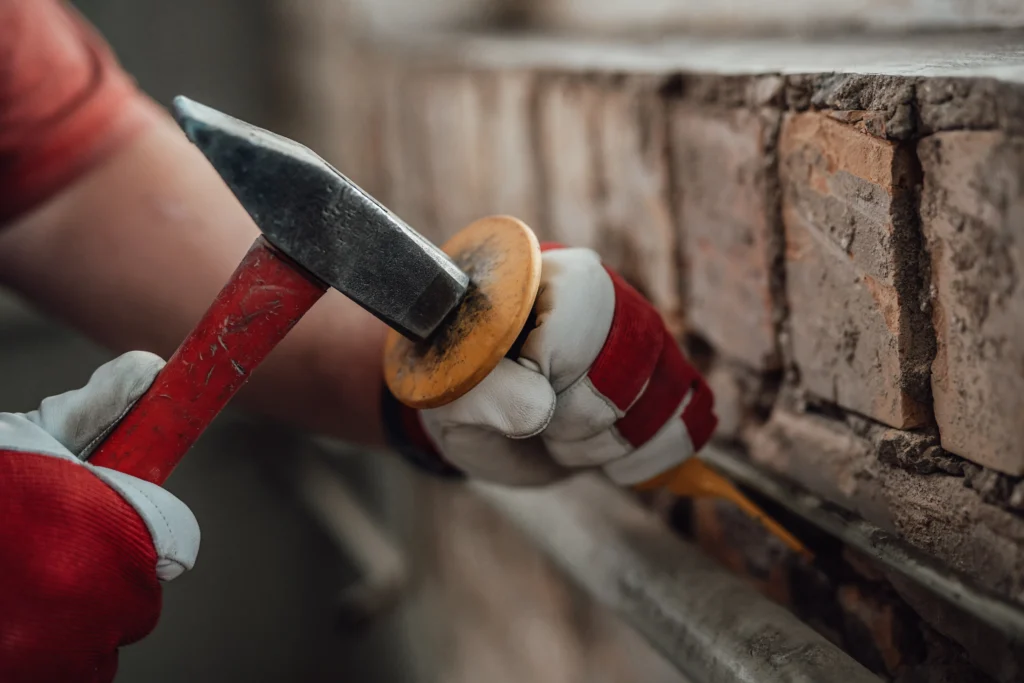
People are removing spray foam insulation primarily due to improper installation, which can lead to significant problems. If not mixed or applied correctly, the foam may fail to cure fully, releasing unpleasant and potentially harmful volatile organic compounds (VOCs) into the indoor air. This can cause persistent odors and health concerns. Another key reason is moisture entrapment; if spray foam is applied to a roof deck or in areas with existing leaks, it can trap moisture against wood, leading to hidden rot and structural damage that goes undetected until it is severe. Removal is often necessary to address these health and safety issues, allowing for proper repairs and a new, correctly installed insulation system.
The cost to spray foam insulation for a 1000 sq ft area typically ranges from $1,500 to $4,000, with an average around $2,750. This wide range depends heavily on the type of foam used. Open-cell foam, which is less dense and has a lower R-value per inch, generally costs $0.44 to $0.65 per board foot, making it the more economical choice. Closed-cell foam, which provides a superior air barrier and higher R-value, costs between $1.00 and $1.50 per board foot. The final price is also influenced by the job's complexity, the thickness required, regional labor rates, and the condition of the existing structure. For an accurate estimate, it is essential to get a professional assessment from a certified installer who can evaluate your specific attic or wall cavity needs.
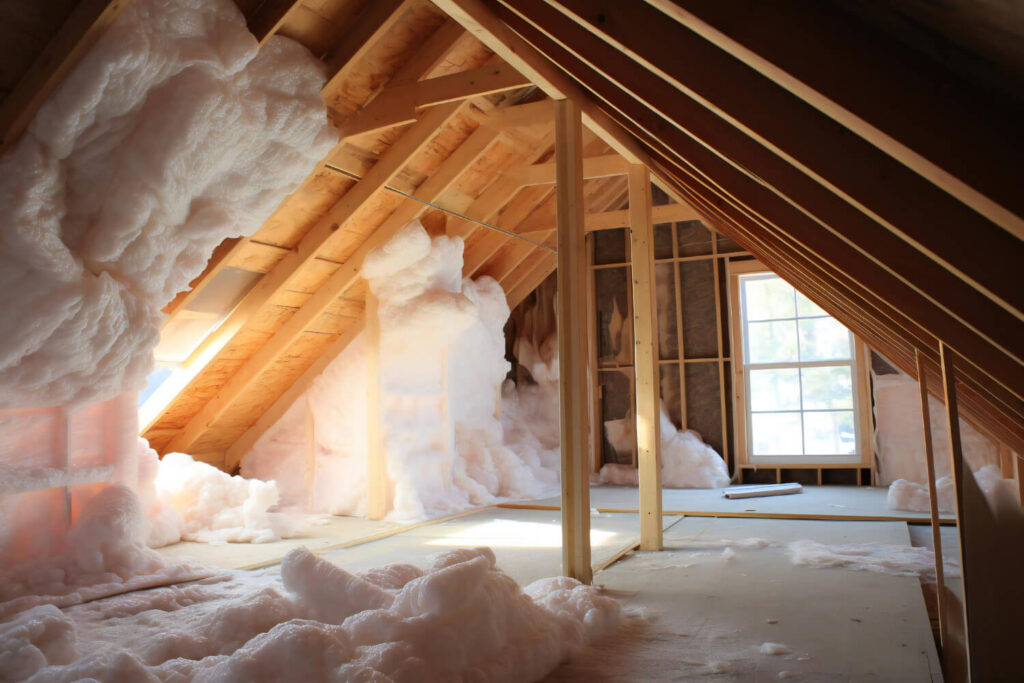
Spray foam insulation in Settegast, Texas, offers significant benefits for improving home energy efficiency and comfort. This type of insulation creates an airtight seal that minimizes air leaks, reduces utility bills, and enhances indoor air quality by limiting moisture and allergen infiltration. When considering this service, it's crucial to hire a certified professional who assesses your attic's specific needs, as proper installation is key to performance and safety. Costs can vary based on the project's scope, the type of spray foam (open-cell or closed-cell), and the square footage. For an accurate estimate in the Settegast area, obtaining quotes from licensed, insured contractors who follow local building codes and manufacturer specifications is highly recommended.
20 reviews