Houston, TX Air Duct Cleaning Service & Insulation | Atticair
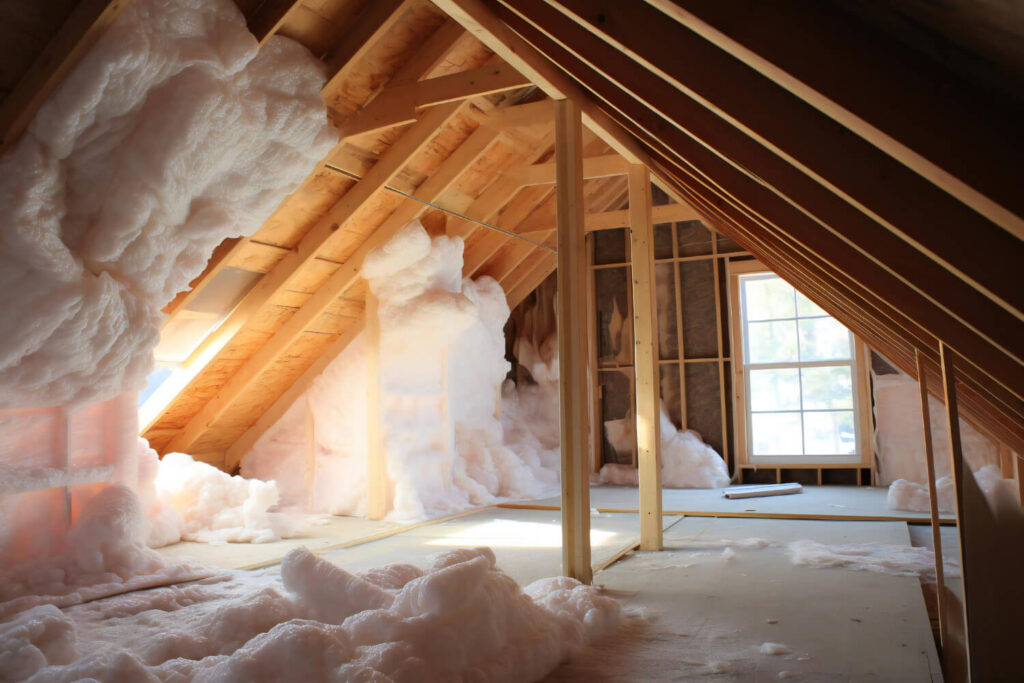
The cost to install fiberglass insulation typically ranges from $1 to $4 per square foot for materials and labor, with the national average often between $1,500 and $3,500 for a standard attic. Key factors influencing price include the project's size and scope, the insulation's R-value (thermal resistance), whether it's batt/roll or blown-in, and your geographic location. Accessibility of the space and any necessary prep work, like old insulation removal, also add to the cost. For an accurate estimate, it is best to obtain quotes from licensed professionals who can assess your specific needs, ensure proper installation for maximum energy efficiency, and comply with all building safety codes.
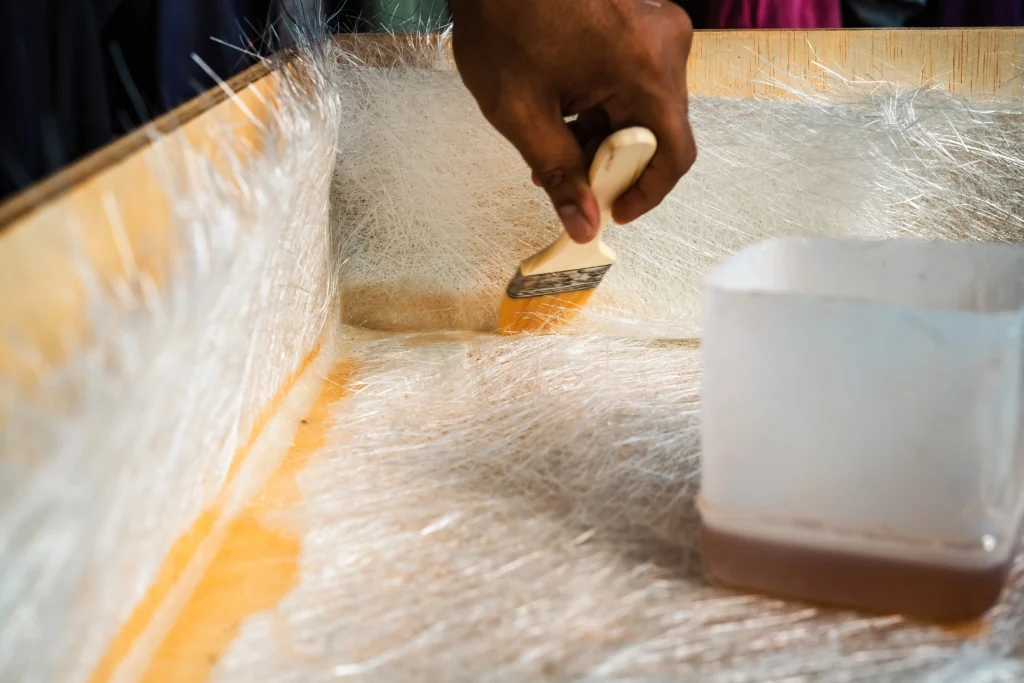
Fiberglass insulation, while cost-effective and widely used, has a notable disadvantage related to moisture management. When exposed to water or high humidity, fiberglass batts can absorb moisture, which significantly reduces their thermal resistance (R-value) and promotes mold growth. This compromises both energy efficiency and indoor air quality. Additionally, the installation process requires careful handling, as the tiny glass fibers can become airborne and cause skin, eye, and respiratory irritation if proper protective gear is not worn. Unlike some modern alternatives, fiberglass does not provide an airtight seal on its own, potentially allowing for drafts and thermal bridging if not installed with meticulous attention to detail.
The R-value requirement in Texas varies by climate zone, as defined by the International Energy Conservation Code (IECC), which the state adopts. Most of Texas falls into Climate Zones 2 and 3. For residential attics, the typical requirement is R-38 in the hot-humid south (Zone 2) and R-49 in the mixed-humid north (Zone 3). For walls, R-13 to R-20 is common. These are minimum code standards; higher R-values are often recommended for greater energy efficiency and cost savings. It is crucial to consult local building codes for specific city or county amendments, as requirements can differ, especially in areas like the Panhandle. Proper installation is as important as the R-value itself to achieve stated performance.
The cost to insulate a 1000 sq ft area varies widely based on the insulation type, material, and labor. For a standard attic, you can expect a broad range. Blown-in fiberglass or cellulose typically costs between $1,500 to $2,500 for professional installation. Spray foam insulation is significantly more expensive, ranging from $3,000 to $7,000 or more due to higher material and application costs. Key factors affecting price include the existing insulation's R-value, the attic's accessibility, and your geographic location. It is highly recommended to obtain multiple quotes from certified professionals who can assess your specific needs, ensure proper ventilation, and comply with local building codes for optimal energy efficiency and safety.
Fiberglass insulation costs in Texas City typically range from $1 to $4 per square foot installed, depending on the project's scope and the insulation's R-value. For a standard attic, total costs often fall between $1,500 and $3,500. Key factors influencing price include the attic's accessibility, the amount of old insulation needing removal, and the chosen R-value, with higher R-values like R-38 or R-49 recommended for Texas's climate to improve energy efficiency. Professional installation is advised to ensure proper coverage and safety, as incorrect installation can create gaps and reduce effectiveness. Always obtain multiple estimates from licensed, insured contractors who assess your specific attic conditions and ventilation needs.
Thermal industrial insulation is a critical component for energy efficiency and safety in manufacturing, power generation, and processing facilities. It involves applying specialized materials like mineral wool, fiberglass, or calcium silicate to pipes, boilers, tanks, and equipment. The primary goals are to conserve energy by minimizing heat loss or gain, control process temperatures, protect personnel from burns, and prevent condensation. Proper installation and maintenance are essential; damaged or deteriorated insulation can lead to significant energy waste, increased operational costs, and safety hazards. Regular professional assessment ensures the insulation system performs to its specified R-value and remains compliant with industry standards for fire resistance and thermal performance.
22 reviews