People Also Ask
The cost of fiberglass insulation typically ranges from $0.50 to $2.00 per square foot for materials, with professional installation adding significantly to the total. The wide price variation depends on the R-value (thermal resistance), batt versus loose-fill type, and whether it is faced or unfaced. For a standard R-13 batt for 2x4 walls, you might pay around $0.50-$0.70 per sq. ft. For higher R-values like R-38 for attics, costs can rise to $1.50-$2.00 per sq. ft. It is crucial to consider that proper installation is key to performance; gaps or compression drastically reduce effectiveness. Always consult with a professional to assess your specific needs, as local material costs and labor rates can vary widely.
Fiberglass insulation, while cost-effective and widely used, has a significant disadvantage related to moisture management. When exposed to water or high humidity, fiberglass batts can absorb moisture, which drastically reduces their thermal resistance (R-value) and promotes mold growth and wood rot within wall cavities. Unlike some modern materials, wet fiberglass does not easily dry out and often requires complete replacement to restore effectiveness. This vulnerability makes proper vapor barriers and installation in dry conditions critical. Additionally, during installation, it requires careful handling as the tiny glass fibers can become airborne, posing respiratory and skin irritation risks without proper protective equipment.
The cost to insulate a 2000 sq ft area varies widely based on the type of insulation and whether it's a new installation or an upgrade. For professional installation of common materials like fiberglass batts, you might expect a range of $1,500 to $3,000. For higher-performance materials such as spray foam, costs can range from $3,000 to $7,000 or more. These estimates include labor and materials but are highly dependent on your region's labor rates, the accessibility of the space (attic vs. walls), and the desired R-value. It is crucial to obtain multiple detailed quotes from certified professionals who can assess your specific home's needs, as proper installation is key to achieving energy efficiency and comfort.
Yes, fiberglass remains one of the most common materials used in residential and commercial insulation today. It is widely available in both batt (blanket) and loose-fill forms. Modern fiberglass insulation is manufactured to higher standards than in the past, often with improved binders and facing materials that reduce airborne particles. It is valued for its cost-effectiveness, fire resistance, and thermal performance. However, it is crucial that fiberglass insulation is installed properly with a complete air barrier, as it does not stop air leakage on its own. For optimal energy efficiency, a comprehensive approach that includes sealing ducts and adding adequate insulation is recommended by industry professionals.
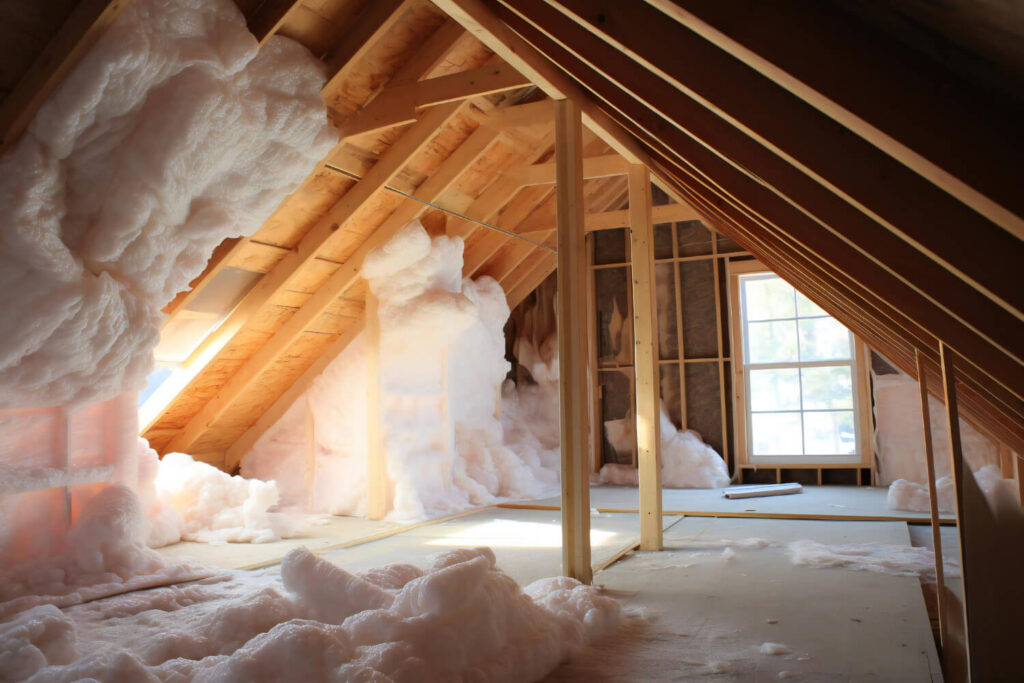
Fiberglass insulation is a common choice for homes in Aldine, Texas, due to its cost-effectiveness and thermal performance. It consists of fine glass fibers and is typically installed in batts or rolls within wall cavities, attics, and floors. In Aldine's climate, which features hot, humid summers and mild winters, proper installation is crucial to prevent moisture issues and maintain energy efficiency. Homeowners should ensure the insulation has an appropriate R-value, often R-30 to R-60 for attics, to resist heat flow effectively. It is also important to pair fiberglass with adequate air sealing and ventilation to avoid condensation, which can reduce its insulating properties and potentially lead to mold growth. Regular inspections by professionals can help maintain its performance and longevity.
The cost of fiberglass insulation in Aldine, Texas, typically ranges from $1 to $4 per square foot installed, depending on the project's specifics. Key factors influencing price include the R-value (thermal resistance) needed, the area's accessibility (like attics or walls), and whether it's a new installation or a replacement. Labor costs are a significant component, especially for batt insulation which is common in residential attics. For an accurate estimate, homeowners should obtain quotes from licensed professionals who can assess the home's specific needs, ensure proper ventilation, and adhere to local building codes. Proper installation is crucial for maximizing energy efficiency and indoor air quality.