Houston, TX Air Duct Cleaning Service & Insulation | Atticair
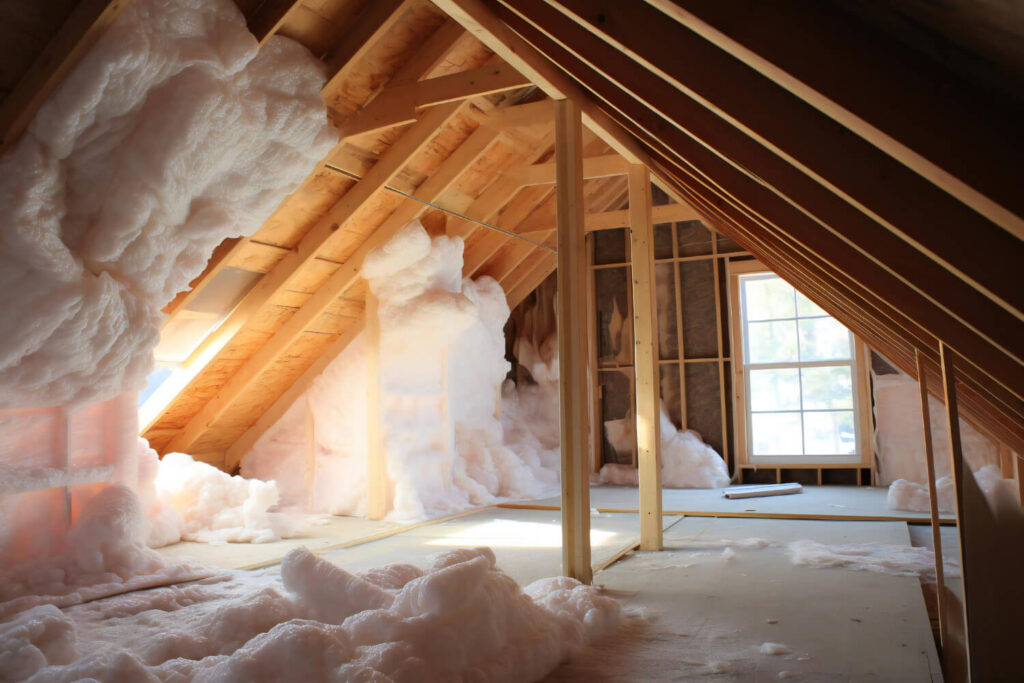
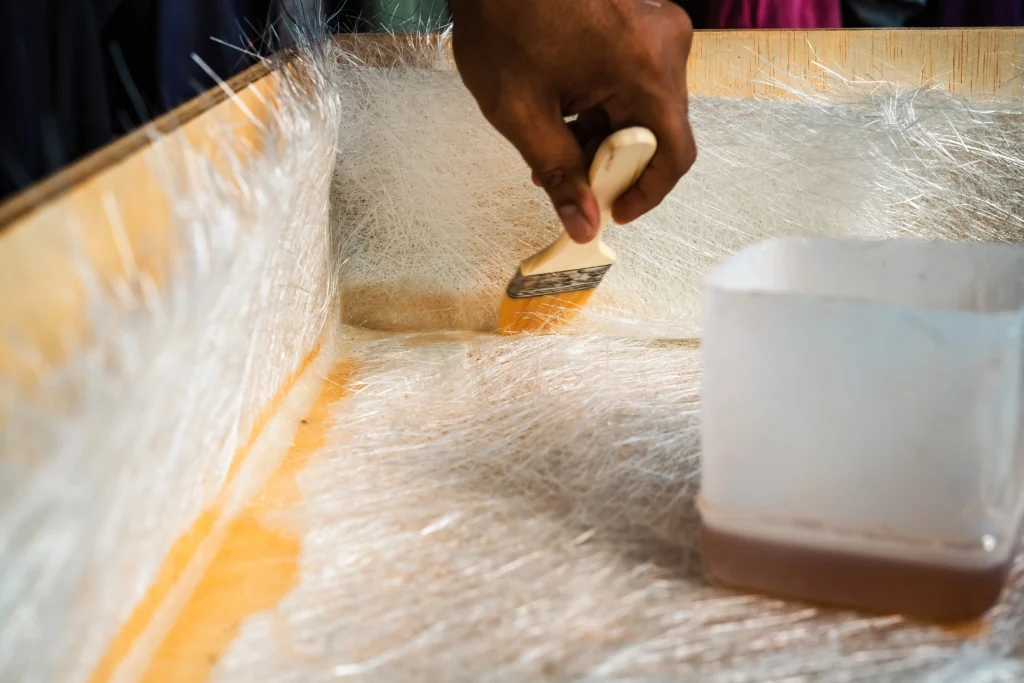
The biggest problem with fiberglass insulation is its potential to degrade indoor air quality and pose health risks if not properly installed and sealed. The material consists of extremely fine glass fibers that can become airborne during installation or if the insulation is disturbed, damaged, or aged. Inhalation of these fibers can irritate the skin, eyes, and respiratory tract. Furthermore, fiberglass batts can sag or compress over time, creating gaps and thermal bridges that significantly reduce their insulating effectiveness (R-value). It also does not effectively block air leakage on its own, allowing drafts, moisture, and allergens to infiltrate the living space, which can lead to mold growth and higher energy bills. Proper installation with a complete air seal is critical.
The cost to install fiberglass insulation varies widely based on factors like project size, location, and whether it's a new build or retrofit. For a typical attic, homeowners can expect to pay between $1,500 and $3,500, with a national average around $2,500. This generally includes materials and professional labor. Costs are often quoted per square foot, ranging from $1.50 to $3.50. Key price drivers include the insulation's R-value (thermal resistance), the accessibility of the space, and any necessary preparation work like old insulation removal. For an accurate estimate, it is crucial to obtain a detailed, in-person assessment from a qualified contractor who can evaluate your specific home's needs and local building codes.
The cost to insulate a 1000 sq ft area varies significantly based on the insulation type, material, and labor. For a standard attic or wall application, you can expect a broad range. Using common fiberglass batts, the material cost might be $0.50 to $1.50 per sq ft, leading to a rough estimate of $500 to $1,500 for a DIY project. Professional installation of materials like blown-in cellulose or fiberglass typically ranges from $1,500 to $3,000 for 1000 sq ft, factoring in labor and equipment. Higher-performance materials like spray foam can cost $3,000 to $7,000 or more. The final price depends on the existing conditions, desired R-value, and regional labor rates. Always obtain multiple detailed quotes from certified professionals for an accurate assessment.
People are removing spray foam insulation primarily due to improper installation, which can lead to significant problems. If not mixed or applied correctly, the foam may fail to cure fully, releasing unpleasant and potentially harmful volatile organic compounds (VOCs) into the indoor air. This can cause persistent odors and health concerns. Another key reason is moisture entrapment; if spray foam is applied to a roof deck or in areas with existing leaks, it can trap moisture against wood, leading to hidden rot and structural damage that goes undetected until it is severe. Removal is a complex, costly process necessary to address these health and safety risks and to rectify the original installation errors.
The cost of fiberglass insulation in Webster depends on several factors. For a standard R-13 batt, you might pay between $0.30 and $0.50 per square foot for the material alone. Professional installation typically adds $1.00 to $2.50 per square foot, bringing the total installed cost to roughly $1.50 to $3.00 per square foot. The final price is influenced by the project's scope, attic accessibility, and the specific R-value needed for our climate. It is crucial to get a detailed, in-person estimate from a licensed contractor. They can assess your attic's specific conditions and recommend the correct insulation depth and type to ensure optimal energy efficiency and performance, which is a smart long-term investment.
Fiberglass insulation is a popular choice for its cost-effectiveness and thermal performance. In Webster, the best fiberglass insulation typically meets or exceeds local building codes and R-value recommendations for the region's climate. Key factors include proper installation to avoid gaps and compression, which can significantly reduce effectiveness. It is crucial to choose products from reputable manufacturers that offer high R-values per inch, such as R-13 for walls and R-30 to R-60 for attics, depending on the specific application. For optimal results, consider professional assessment and installation by a certified technician to ensure safety, as fiberglass requires handling with protective gear to avoid irritation.
20 reviews