Houston, TX Air Duct Cleaning Service & Insulation | Atticair
The cost to install fiberglass insulation typically ranges from $1 to $4 per square foot, with the national average for a standard project falling between $1,500 and $3,500. This wide range depends heavily on several factors. The primary cost drivers are the project's scope—whether it's for an attic, walls, or a new build—and the insulation's R-value, which measures thermal resistance. Higher R-values cost more. Labor, which includes old material removal and preparation, is a significant portion of the expense. Home size, accessibility of the work area, and your geographic location also influence the final price. For an accurate estimate, it is always best to obtain a professional assessment from a qualified insulation contractor who can evaluate your specific needs.
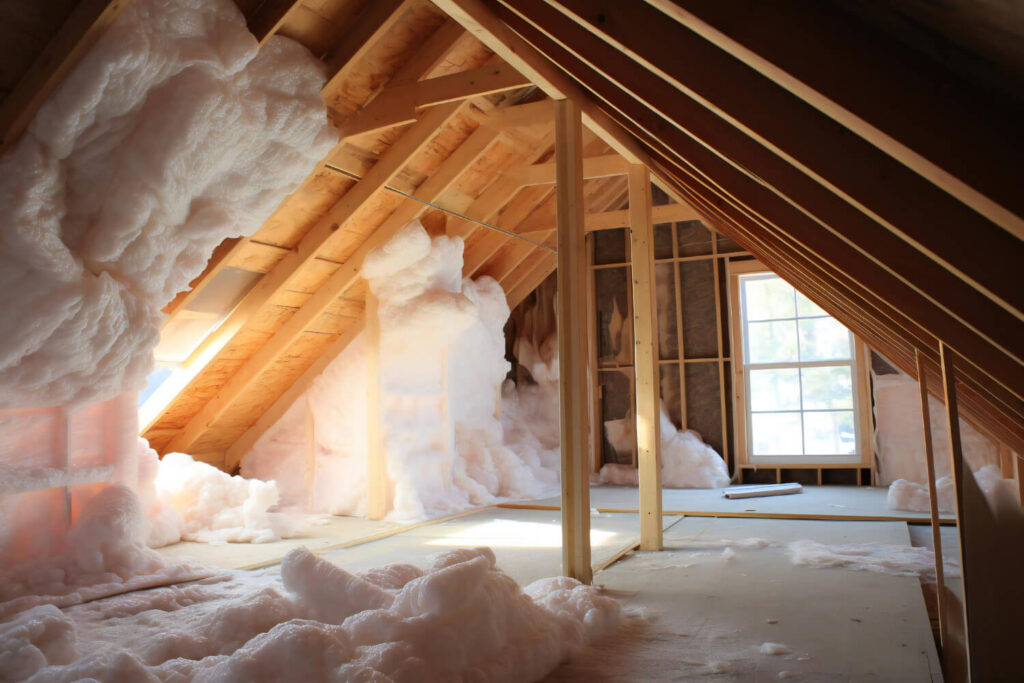
Fiberglass insulation, while cost-effective and widely used, has a notable disadvantage related to moisture management. When exposed to water or high humidity, fiberglass batts can absorb moisture, leading to a significant reduction in their insulating R-value. This moisture retention can promote mold growth and compromise indoor air quality. Additionally, the material can sag or settle over time in unconditioned spaces like attics, creating gaps that allow thermal bridging and energy loss. Proper installation with vapor barriers is crucial, but if compromised, performance suffers. Compared to some modern alternatives like spray foam, it offers less effective air sealing, potentially leading to higher long-term energy costs if not meticulously installed and maintained.
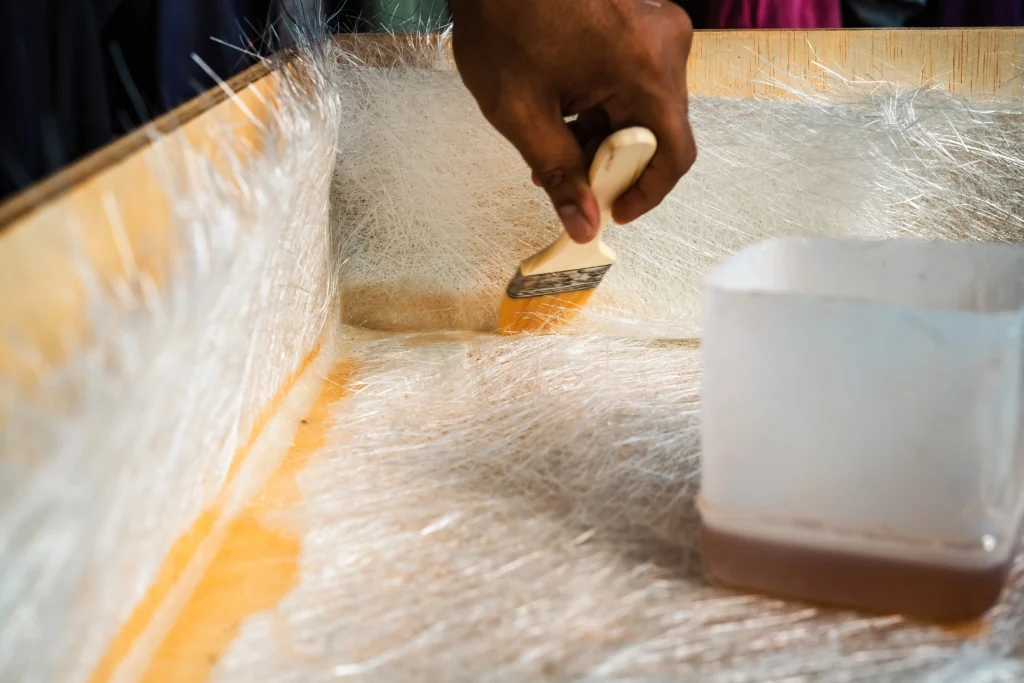
Yes, fiberglass remains one of the most common and widely used materials for insulation in residential and commercial buildings. It is favored for its cost-effectiveness, fire resistance, and excellent thermal performance. Modern fiberglass insulation is typically made from fine glass fibers and is available in batts, rolls, or loose-fill forms. While alternative materials like cellulose, mineral wool, and spray foam have gained popularity for specific applications, fiberglass continues to be a standard choice in new construction and retrofit projects due to its proven reliability and ease of installation. Industry standards ensure it meets strict safety and performance codes for energy efficiency.
When comparing rockwool and fiberglass insulation, the "better" choice depends on your specific needs. Rockwool, made from molten rock or slag, offers superior fire resistance, sound dampening, and moisture resistance. It is denser and maintains its R-value more effectively when wet. Fiberglass, composed of fine glass fibers, is typically more cost-effective and easier to install for DIY projects. For most residential applications, fiberglass is sufficient and budget-friendly. However, for areas requiring exceptional fire safety, noise control, or in damp environments like basements, rockwool is often the preferred professional choice. Both are effective, so consider your priorities for performance, budget, and the specific area being insulated.
Fiberglass insulation is a common choice for homes in Lake Jackson, Texas, due to its cost-effectiveness and thermal performance. In the local humid, subtropical climate, proper installation is crucial to prevent moisture issues that can reduce effectiveness and promote mold. It's essential to ensure the insulation has a proper vapor barrier and is not compressed, as this lowers its R-value. For attic spaces, adequate ventilation is key to managing heat and humidity. Homeowners should consider professional assessment to verify that existing fiberglass insulation is dry, intact, and sufficient for energy efficiency. Over time, insulation can settle or become damaged, so periodic checks are recommended to maintain optimal home comfort and lower utility bills.
Fiberglass insulation costs in Lake Jackson, Texas, are influenced by several factors, including the project's scope, material R-value, and labor. For a standard installation in an attic, homeowners can generally expect a price range of $1.50 to $3.50 per square foot. This estimate includes both the batts or rolls of fiberglass and professional installation. The final cost depends on the insulation's thickness and density, which determine its thermal resistance (R-value), with higher R-values costing more. Local market conditions and the accessibility of the attic space also play significant roles. For an accurate quote tailored to a specific home, it is always recommended to obtain a detailed assessment from a certified local insulation contractor who can evaluate the existing conditions and recommend the proper material and R-value for the region's climate.
20 reviews