Houston, TX Air Duct Cleaning Service & Insulation | Atticair
Fiberglass insulation can be used in basement walls, but it requires careful consideration. It is a cost-effective option for thermal performance, but its primary drawback is that it loses insulating value if it gets damp or wet. Basements are prone to moisture, so installing fiberglass batts directly against concrete or block walls is generally not recommended. Best practice involves creating a moisture-managed assembly. This often includes a vapor barrier against the foundation, a stud wall to create an air gap, and then the fiberglass insulation installed between the studs, covered by an interior drywall layer. For optimal results and to prevent mold, ensure the basement is properly waterproofed and has adequate ventilation before insulating.
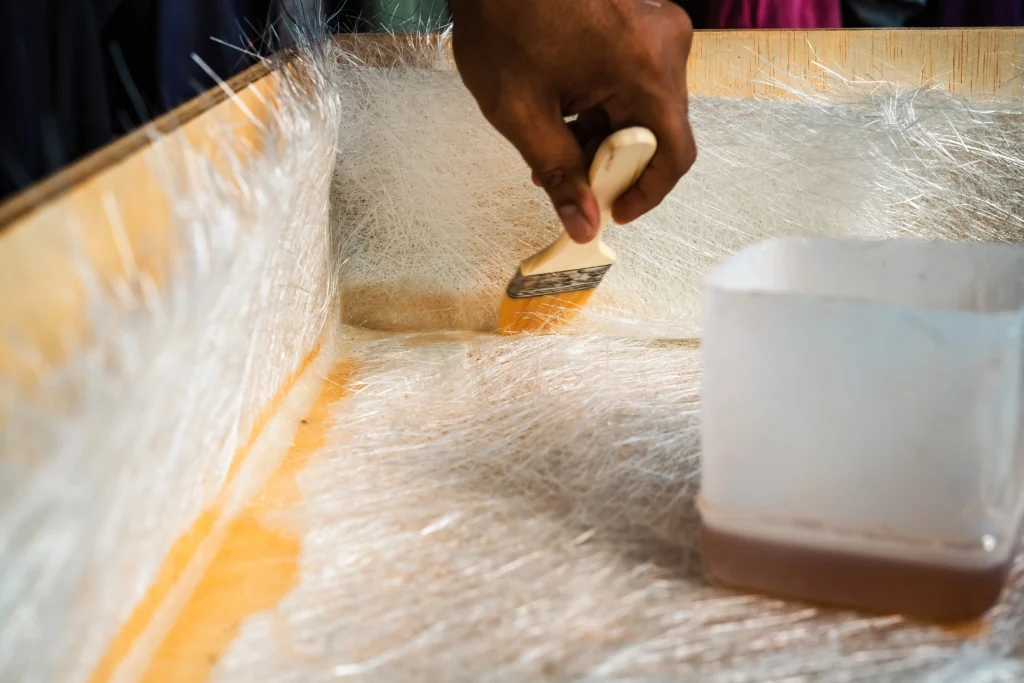
Fiberglass insulation, while cost-effective and widely used, has several notable disadvantages. One primary drawback is its potential to irritate the skin, eyes, and respiratory system during installation if proper protective gear is not worn, as the tiny glass fibers can become airborne. It also tends to settle over time, which can reduce its R-value and thermal performance, leading to energy inefficiency. Furthermore, fiberglass is less effective at blocking air infiltration compared to some other insulation types, potentially allowing drafts and moisture issues if not paired with a proper air barrier. In damp conditions, it can retain moisture, promoting mold growth and further degrading its insulating properties.
While fiberglass insulation is a common and effective material, direct contact or proximity to airborne fibers can pose health risks. The tiny glass fibers can irritate the skin, eyes, and throat, and may cause respiratory discomfort if inhaled. It is generally safe when properly installed and left undisturbed behind walls or in attics. However, during installation, removal, or if it is damaged and exposed, precautions are essential. Always wear appropriate personal protective equipment (PPE) like gloves, long sleeves, goggles, and an N95 respirator mask. For a detailed guide on handling and the properties of this material, refer to our resource Fiberglass Insulation. Professional assessment and handling are recommended for any significant disturbance.
No, you should never put fiberglass insulation inside an electrical box. This practice is a significant fire hazard and violates electrical codes. Electrical boxes are designed to contain heat and potential sparks from wires and connections. Adding insulation inside the box traps this heat, which can lead to overheating of the wires, degradation of insulation, and potentially cause a fire. Furthermore, loose fibers from fiberglass batts can interfere with electrical connections and create a shock risk. For areas around boxes, insulation should be carefully placed outside and not obstruct the box's interior or its cover plate. Always follow the National Electrical Code (NEC) and consult a licensed electrician for proper installation methods that ensure safety and compliance.
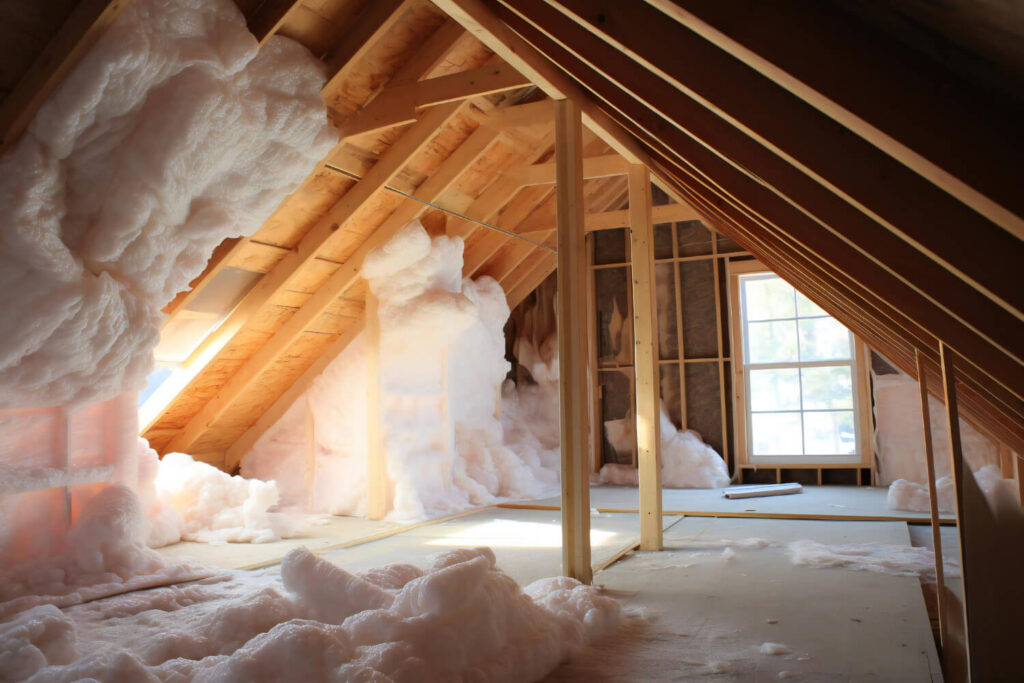
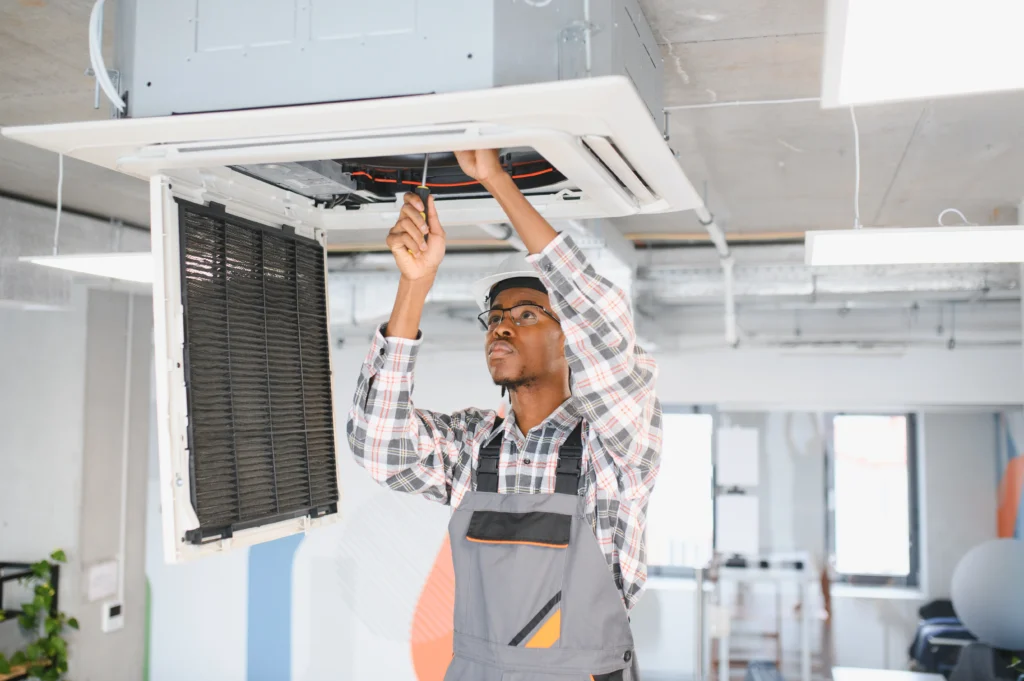
Fiberglass insulation is a common and effective material for improving energy efficiency and comfort in homes, including those in the Second Ward area. It works by trapping air pockets to reduce heat transfer. Professional installation is crucial, as improper handling can lead to skin irritation and reduced effectiveness. For residents seeking services, it's important to choose a licensed contractor who assesses your attic's specific needs, ensures proper ventilation, and follows all safety protocols. Regular inspection and maintenance, combined with air duct cleaning, can maximize your home's performance and indoor air quality. Always verify local service providers through reviews and certifications.
Fiberglass insulation is a common choice for homes in Second Ward, Houston, due to its cost-effectiveness and thermal resistance. Proper installation is crucial to maximize energy efficiency and comfort in the area's humid, subtropical climate. It's important to ensure the insulation has a suitable R-value for local building codes and is installed without gaps or compression. Over time, insulation can settle or become contaminated by dust, moisture, or pests, reducing its effectiveness. Homeowners should consider professional assessment to check for degradation or air leaks. For older homes, upgrading or adding insulation can significantly lower energy bills and improve indoor air quality by creating a better thermal barrier against Houston's heat and humidity.
20 reviews