Houston, TX Air Duct Cleaning Service & Insulation | Atticair
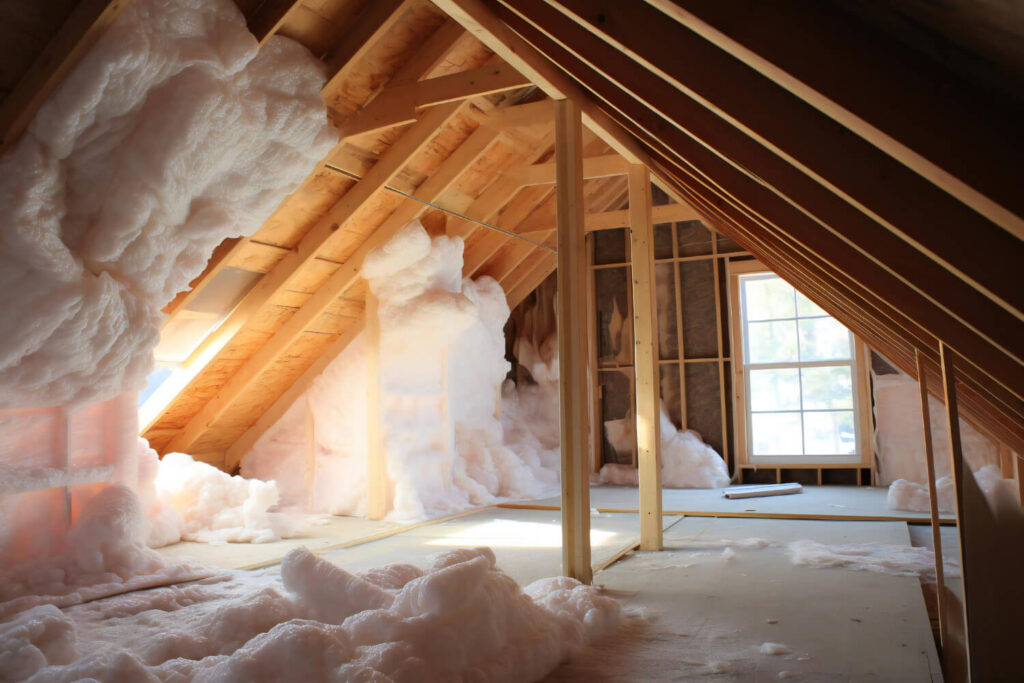
The cost to install fiberglass insulation typically ranges from $1 to $4 per square foot, with the national average for a standard project falling between $1,500 and $3,500. This wide range depends heavily on several factors. The primary cost drivers are the project's scope—whether it's for an attic, walls, or a new build—and the insulation's R-value, which measures thermal resistance. Higher R-value batts or rolls cost more. Labor for installation, which can be DIY for batts but often requires professionals for blown-in fiberglass, significantly impacts the price. Additional considerations include the accessibility of the area, local labor rates, and whether old insulation needs removal. For an accurate estimate, it's best to obtain quotes from licensed insulation contractors who can assess your specific home and regional climate needs.
The cost to insulate a 1000 sq ft area varies significantly based on the insulation type, material, and labor. For a standard attic or walls, you can expect a broad range. Using common materials like fiberglass batts, costs might average between $1,000 to $2,500 for a DIY project. For professional installation of higher-performance materials like spray foam or cellulose, the price can range from $1,500 to $4,000 or more. Key factors influencing cost include the R-value (thermal resistance) required for your climate zone, the accessibility of the space, and whether old insulation needs removal. Always obtain multiple quotes from certified professionals who can assess your specific needs for optimal energy efficiency and air quality.
Fiberglass insulation, while cost-effective and widely used, has several notable disadvantages. Its primary drawback is that it can be irritating to skin, eyes, and the respiratory system during installation if proper protective gear is not worn. The tiny glass fibers can become airborne and cause itching and discomfort. Furthermore, fiberglass is susceptible to moisture; when it gets wet, its insulating properties are significantly reduced, and it can promote mold growth if not dried properly. Over time, it can also settle and compact in wall cavities, creating gaps that reduce its overall thermal performance. For optimal safety and efficiency, professional installation following industry standards is highly recommended.
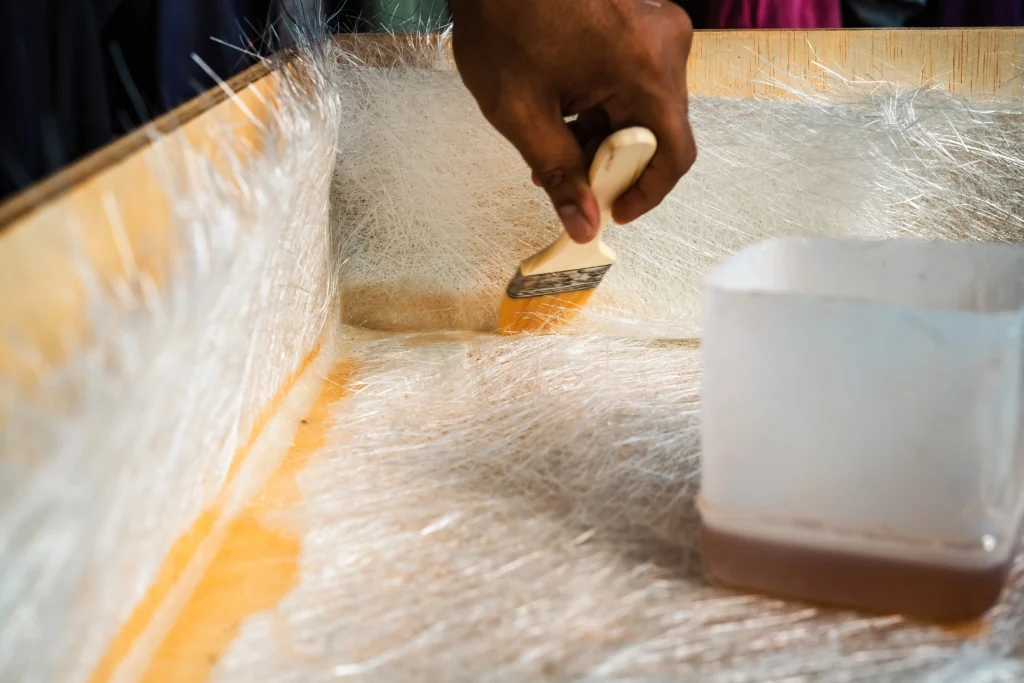
Yes, fiberglass remains one of the most common materials used in residential and commercial insulation today. It is widely chosen for its cost-effectiveness, fire resistance, and thermal performance. Modern fiberglass insulation is typically made from fine glass fibers and is available in batts, rolls, or loose-fill forms. While alternative materials like cellulose, mineral wool, and spray foam have gained popularity for specific applications, fiberglass continues to be a standard option installed in attics, walls, and crawl spaces. It is crucial that fiberglass insulation is properly installed with an effective air barrier, as it primarily resists conductive heat flow and does not stop air leakage on its own.
Fiberglass insulation is a common and cost-effective choice for homes in Conroe, Texas, due to its thermal resistance and fire-retardant properties. In the local climate, which features hot, humid summers and mild winters, proper installation is crucial to prevent moisture issues and maintain energy efficiency. It is typically installed in attics, walls, and crawl spaces. Homeowners should ensure the insulation has an appropriate R-value, with recommendations often being R-30 to R-60 for attics in this region. Professional installation by a certified technician, like those at Atticair, helps avoid gaps, compression, or inadequate coverage that can reduce effectiveness. Regular inspections are advised to check for settling, moisture damage, or pest intrusion, which can compromise performance over time.
The cost of fiberglass insulation installation in Conroe, Texas, varies based on project scope and material type. For a standard batts installation in an attic, homeowners can expect a general price range. Key factors influencing the final cost include the attic's square footage, the desired R-value (thermal resistance), and whether the project is a new installation or a replacement of old material. Labor costs for professional installation are a significant component, ensuring proper placement for maximum energy efficiency and safety. It is highly recommended to obtain multiple detailed estimates from licensed, insured local contractors who can assess your specific home's needs, check for existing damage, and provide a comprehensive quote that includes all materials and labor.
20 reviews