Houston, TX Air Duct Cleaning Service & Insulation | Atticair
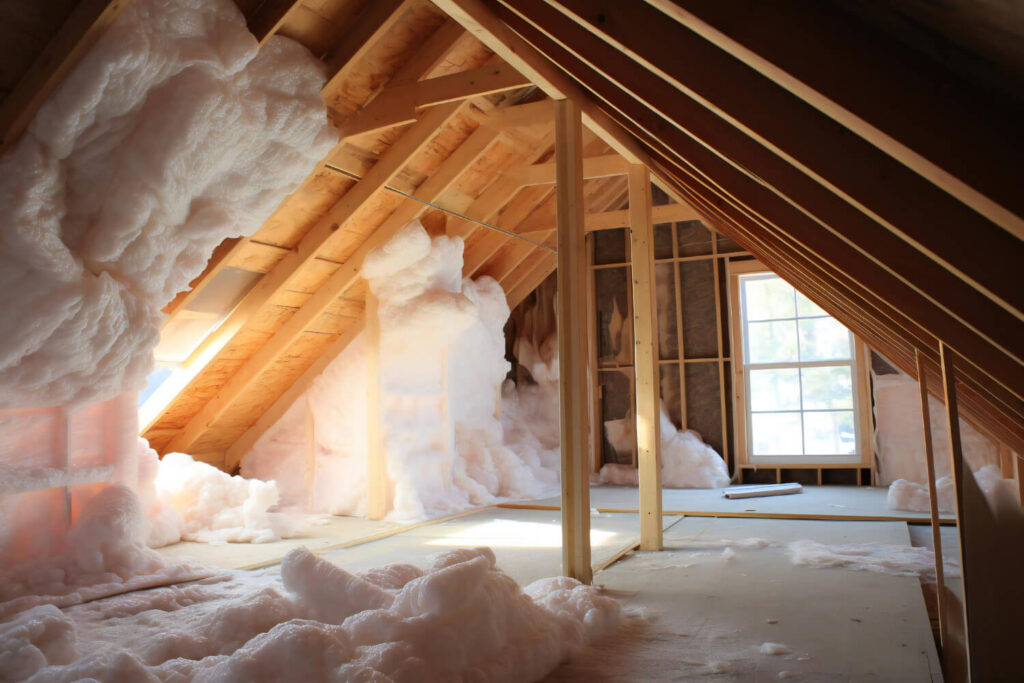
The biggest problem with fiberglass insulation is its potential to degrade indoor air quality and occupant health if improperly installed or disturbed. The primary concern is the release of microscopic glass fibers into the air, which can be inhaled and cause respiratory irritation, skin irritation, and itchy eyes. Over time, settled insulation can also lose its R-value if compressed, and it is notoriously ineffective at blocking air leaks because it does not form a complete air seal. Furthermore, if it gets wet, it can sag, compact, and foster mold growth, losing its insulating properties permanently. Proper installation with a complete air barrier and protective gear is crucial to mitigate these issues.
To avoid getting fiberglass insulation on you while working in the attic, proper personal protective equipment (PPE) and techniques are essential. Always wear a long-sleeved shirt, long pants, gloves, and safety goggles to prevent skin contact and eye irritation. Use a high-quality respirator or N95 mask to avoid inhaling airborne particles. Before starting, cover any exposed skin by taping cuffs and collars. Work slowly and deliberately to minimize disturbing the insulation; avoid compressing or tearing batts. If possible, install temporary walk boards to limit direct contact. After finishing, carefully remove clothing outdoors and wash separately to prevent spreading fibers. These steps align with industry safety standards to protect your health during attic projects.
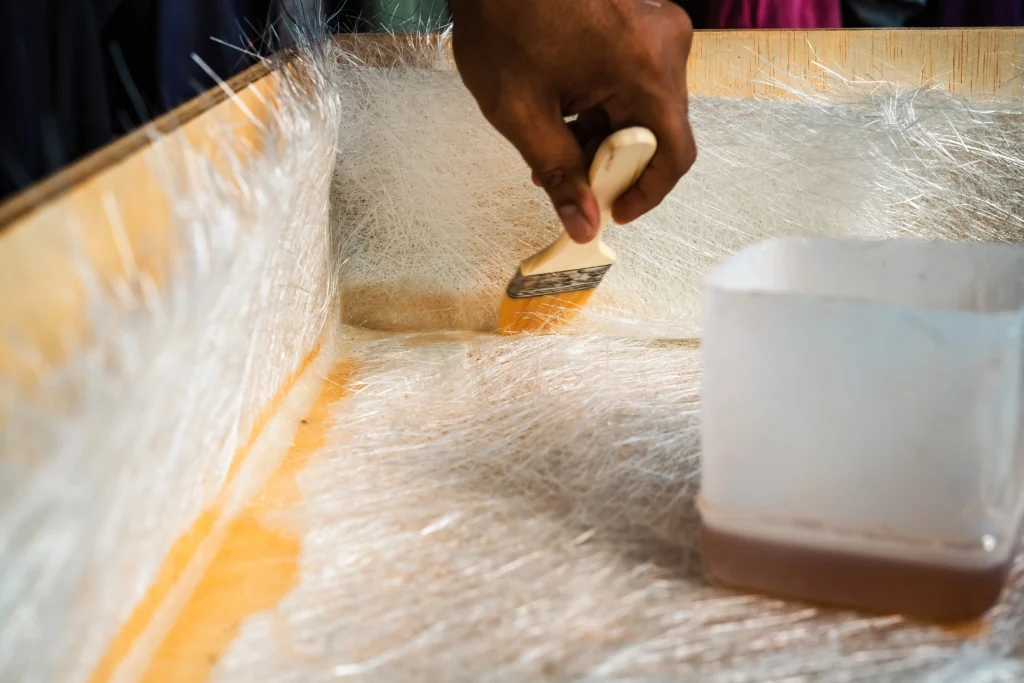
Yes, fiberglass remains one of the most common and widely used types of insulation in residential and commercial buildings today. It is favored for its cost-effectiveness, fire resistance, and thermal performance. Modern fiberglass insulation is typically made from fine glass fibers and is available in batts, rolls, and loose-fill forms. While alternative materials like cellulose, mineral wool, and spray foam have gained popularity for specific applications, fiberglass continues to be a standard choice in new construction and retrofit projects due to its established reliability and ease of installation. Industry standards ensure it meets strict safety and performance codes for energy efficiency.
To determine if insulation contains fiberglass, start by looking for visual cues. Fiberglass insulation typically appears as pink, yellow, or white fluffy batts or rolls with a slightly shiny, fibrous texture. Wear protective gloves, a mask, and safety glasses before any close inspection. Gently touch a small, inconspicuous area; fiberglass often feels soft yet prickly due to its fine glass fibers. Check for any labeling on the insulation or its packaging, which usually states the material. In older homes, if the insulation is loose-fill and grayish, it might be mineral wool, while cellulose looks more like shredded paper. When in doubt, consider hiring a professional from a service like Atticair for a safe assessment, as disturbing fiberglass can release irritating particles into the air.
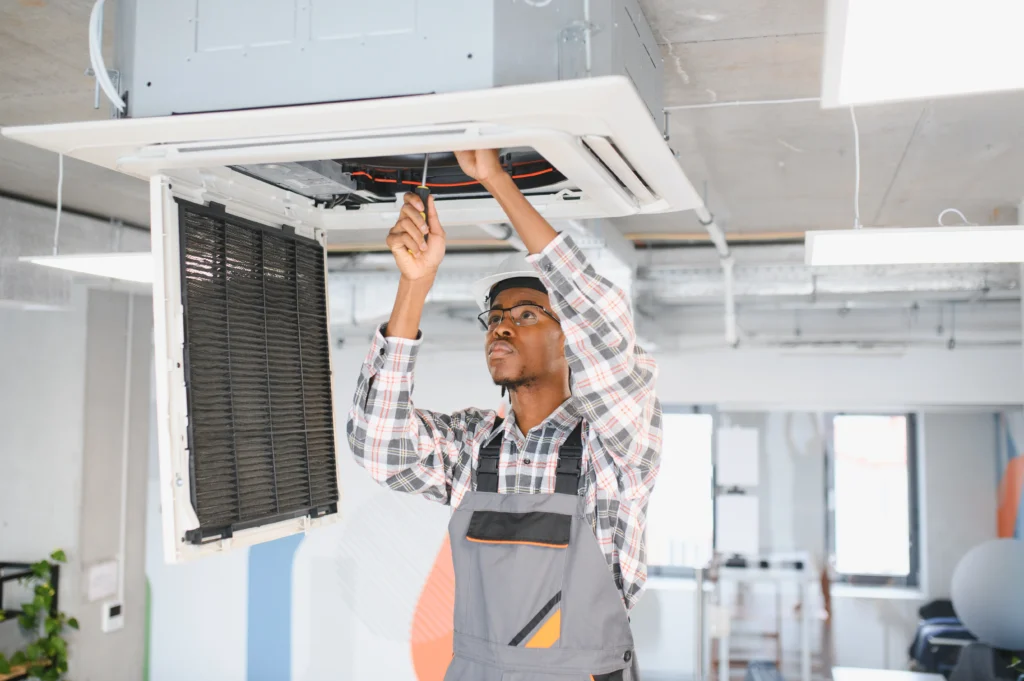
Fibreglass insulation is a common choice for homes in Settegast, Houston, due to its cost-effectiveness and thermal performance. Proper installation is crucial to maximize energy efficiency and indoor comfort in the local climate, which features hot, humid summers and mild winters. Over time, this insulation can settle or become compromised by moisture, pests, or ductwork issues, reducing its R-value. Homeowners should consider professional inspection to assess if insulation is intact and adequately filling attic and wall cavities. For optimal home performance, combining effective insulation with a sealed and clean duct system is recommended. This approach helps maintain consistent temperatures and improves overall air quality.
20 reviews