People Also Ask
The biggest problem with fiberglass insulation is its potential to degrade indoor air quality and occupant health if not properly installed and sealed. The primary issue is that microscopic glass fibers can become airborne during installation or if the material is disturbed, such as during renovations or if air moves through leaky ducts in an attic. Inhalation of these fibers can cause skin, eye, and respiratory tract irritation. Furthermore, fiberglass batts often perform poorly if compressed or if gaps are left during installation, significantly reducing their stated R-value and creating thermal bridges. This compromises energy efficiency. Proper installation with a complete air barrier and encapsulation is crucial, and any disturbance of existing insulation should be handled by professionals wearing appropriate protective equipment.
Fiberglass insulation is designed to withstand high temperatures, but its breakdown point depends on the specific type and binder materials. Generally, fiberglass begins to soften around 1000°F (538°C) and can melt at temperatures exceeding 1400°F (760°C). However, the organic binders that hold the fibers together typically degrade at much lower temperatures, often between 250°F to 450°F (121°C to 232°C). This degradation can cause the insulation to lose its structural integrity and thermal performance. In residential attics and duct systems, temperatures should remain well below these thresholds, but proper installation away from heat sources like recessed lighting or flues is crucial to prevent damage and maintain efficiency and safety.
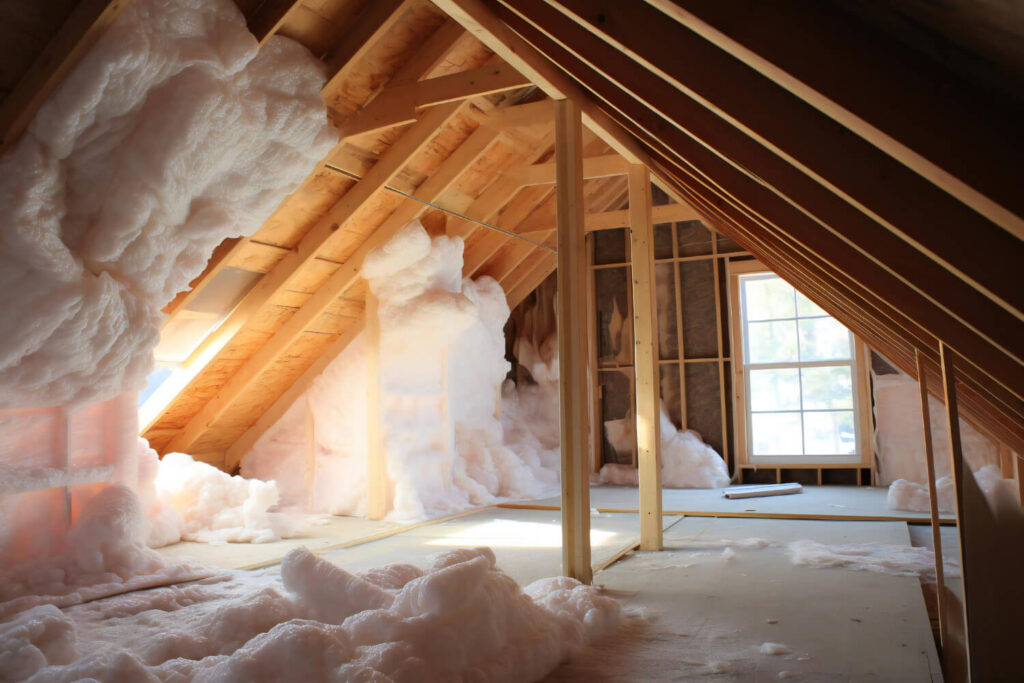
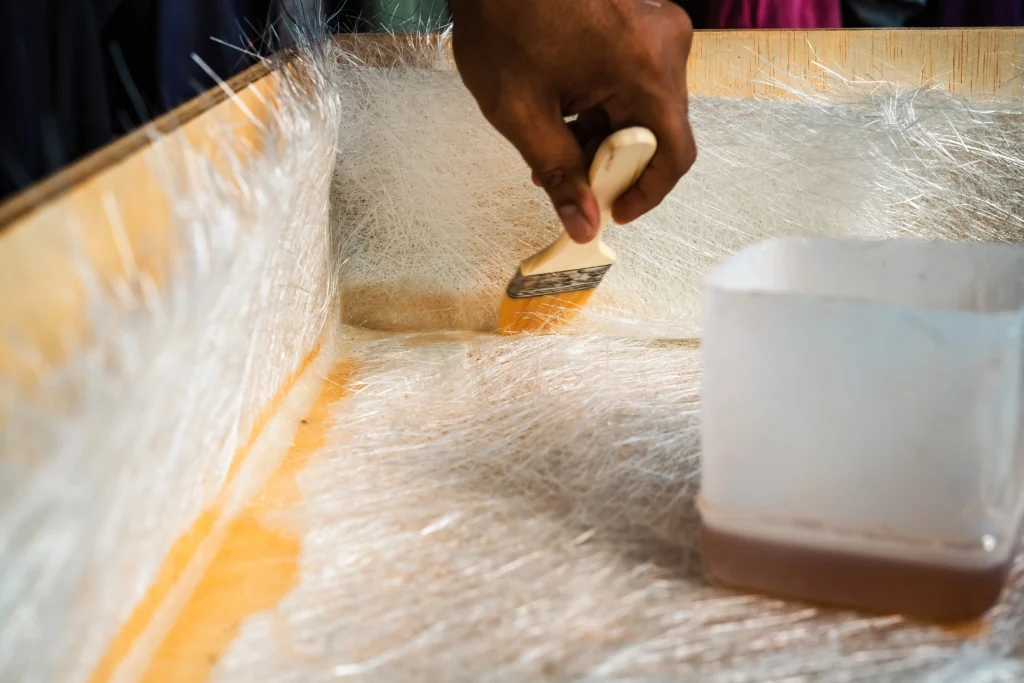
Yes, fiberglass remains one of the most common and widely used insulation materials in residential and commercial construction. It is valued for its cost-effectiveness, fire resistance, and thermal performance. Modern fiberglass insulation is typically made from fine glass fibers and is often installed in batts, rolls, or as loose-fill in attics and wall cavities. While alternative materials like cellulose, spray foam, and mineral wool have gained popularity for specific applications, fiberglass continues to be a standard choice due to its established track record and ease of installation. Proper handling is crucial, as it requires safety gear to prevent irritation from airborne fibers during installation.
Sleeping in a room with exposed or disturbed fiberglass insulation is not recommended and can pose health risks. Fiberglass consists of tiny glass fibers that can become airborne if the insulation is damaged, unsealed, or during renovation work. Inhaling these particles can irritate the respiratory system, causing coughing, throat irritation, or worsened asthma symptoms. Skin contact can lead to itching, redness, and rash. For a safe bedroom, ensure all fiberglass insulation is properly contained behind drywall, vapor barriers, or in an attic floor sealed from the living space. If you suspect contamination, professional cleaning of ducts and surfaces is advised to remove settled particles and improve indoor air quality.
The cost of fiberglass insulation installed in the spring typically ranges from $1 to $4 per square foot, with the national average for a professional project around $1,500 to $2,500. Spring is often an ideal time for this upgrade, as moderate weather allows for proper installation and ventilation. Key factors influencing price include the project's scope (attic vs. walls), the insulation's R-value, and regional labor rates. While DIY batts are cheaper upfront, professional installation ensures correct placement, vapor barrier handling, and air sealing for maximum energy efficiency. Investing in proper fiberglass insulation during spring can lead to significant savings on summer cooling costs and improved home comfort.
Fiberglass insulation is generally safe when properly installed and undisturbed, but it does require careful handling due to potential health risks. The primary concern is from the tiny glass fibers, which can irritate the skin, eyes, and respiratory system if inhaled during installation or removal. For ongoing safety in a home, encapsulated fiberglass in walls and attics poses minimal risk if left intact. However, if it becomes damaged or friable, fibers can become airborne. Professional installation and removal are recommended, using personal protective equipment like masks, goggles, and gloves. Following industry standards for containment and cleanup ensures that fiberglass insulation is managed without significant danger to occupants.