Houston, TX Air Duct Cleaning Service & Insulation | Atticair
Fiberglass insulation, while cost-effective and widely used, has a notable disadvantage related to moisture management. When exposed to water or high humidity, fiberglass batts can absorb moisture, which significantly reduces their thermal resistance (R-value). This wet insulation becomes less effective at blocking heat transfer and can promote mold growth and wood rot within wall cavities or attics. Additionally, during installation, fiberglass requires careful handling as it can release tiny glass particles into the air, potentially causing skin, eye, or respiratory irritation if proper protective gear like gloves, goggles, and masks are not used. Ensuring a perfect fit around obstacles like wiring and pipes is also challenging, which can lead to gaps and reduced energy efficiency if not meticulously installed.
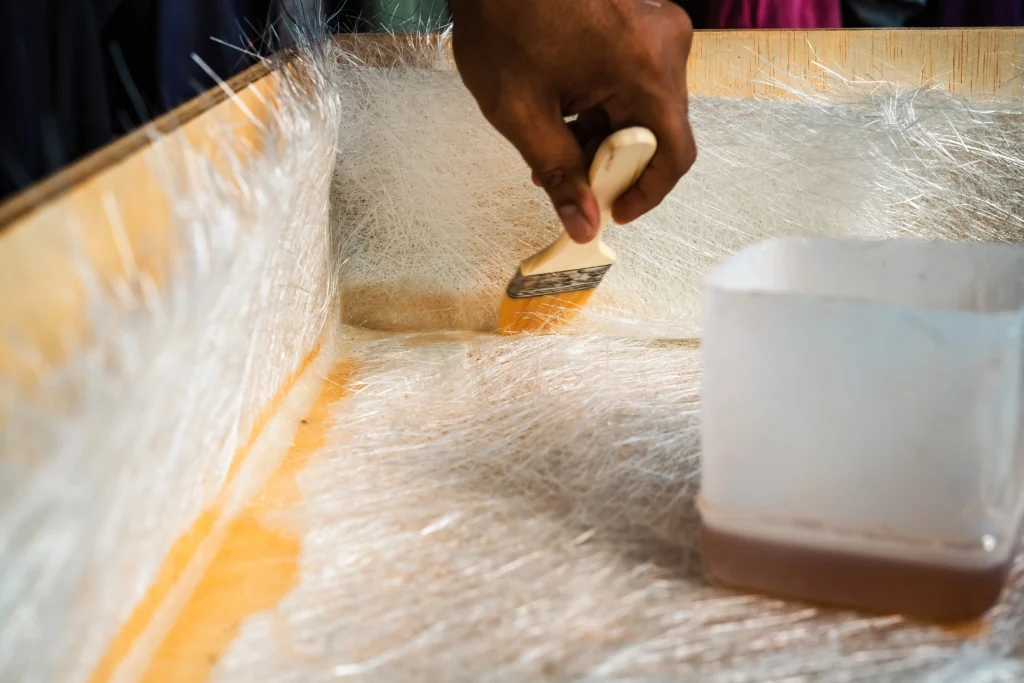
Yes, fiberglass remains one of the most common and widely used materials for insulation in residential and commercial buildings. It is composed of extremely fine glass fibers and is typically installed in batts, rolls, or as loose-fill. Fiberglass is favored for its cost-effectiveness, fire resistance, and thermal performance. Modern fiberglass insulation often incorporates recycled glass content and is designed to minimize irritation during installation, though proper protective gear is still recommended. While newer materials like cellulose, spray foam, and mineral wool offer alternatives, fiberglass continues to be a standard choice in new construction and retrofit projects due to its proven track record and affordability.
The cost of fiberglass insulation typically ranges from $0.50 to $2.00 per square foot when professionally installed, with batts being on the lower end and high-performance options like spray-applied fiberglass on the higher end. The final price depends heavily on the R-value (thermal resistance) required, the accessibility of the area, and regional labor rates. For a standard R-13 to R-19 batt for a wall, you might pay $0.50 to $1.00 per sq. ft., while attic insulation to a higher R-38 or R-49 can cost $1.50 to $2.00 per sq. ft. It is crucial to get a professional assessment, as proper installation is key to achieving the stated R-value and energy efficiency. DIY material-only costs are lower but carry a high risk of gaps and compression that severely reduce performance.
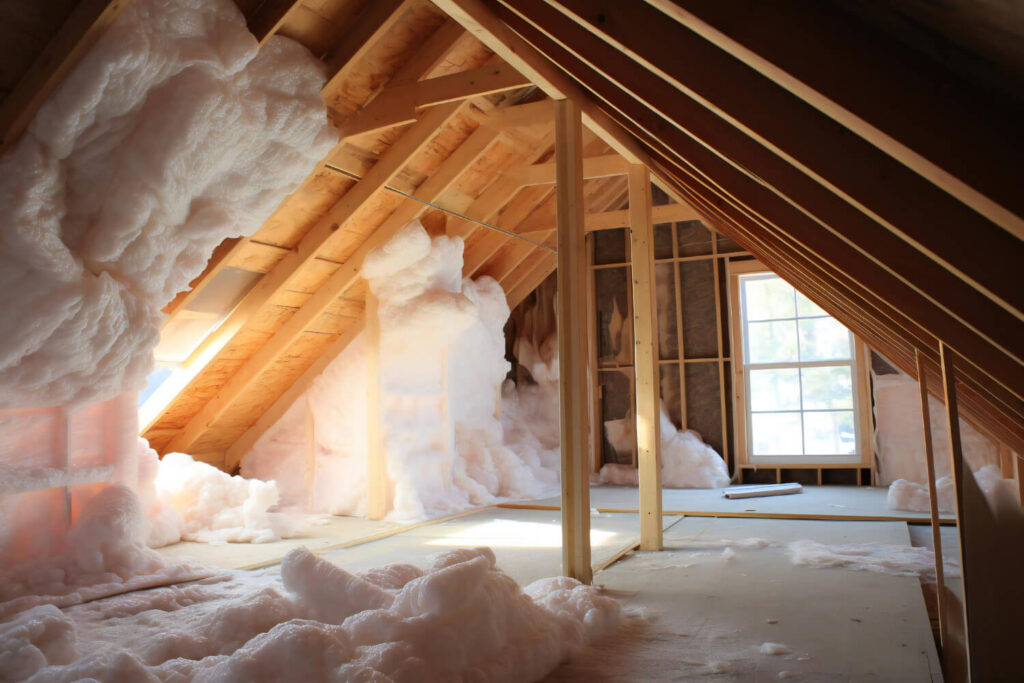
Fibreglass loft insulation is a widely used and effective material, but it does have potential drawbacks that homeowners should be aware of. The primary concerns involve installation and handling. During installation, the tiny glass fibres can become airborne and irritate the skin, eyes, and respiratory system, making proper protective gear essential. If not installed correctly with complete coverage and the right thickness, it can lead to thermal bridging and reduced energy efficiency. Over time, it can also settle or become compressed, diminishing its R-value. Furthermore, if it gets damp or wet from a roof leak, it loses insulating properties and can promote mould growth. For optimal performance and safety, professional installation following all manufacturer guidelines and building codes is highly recommended.
22 reviews