Houston, TX Air Duct Cleaning Service & Insulation | Atticair
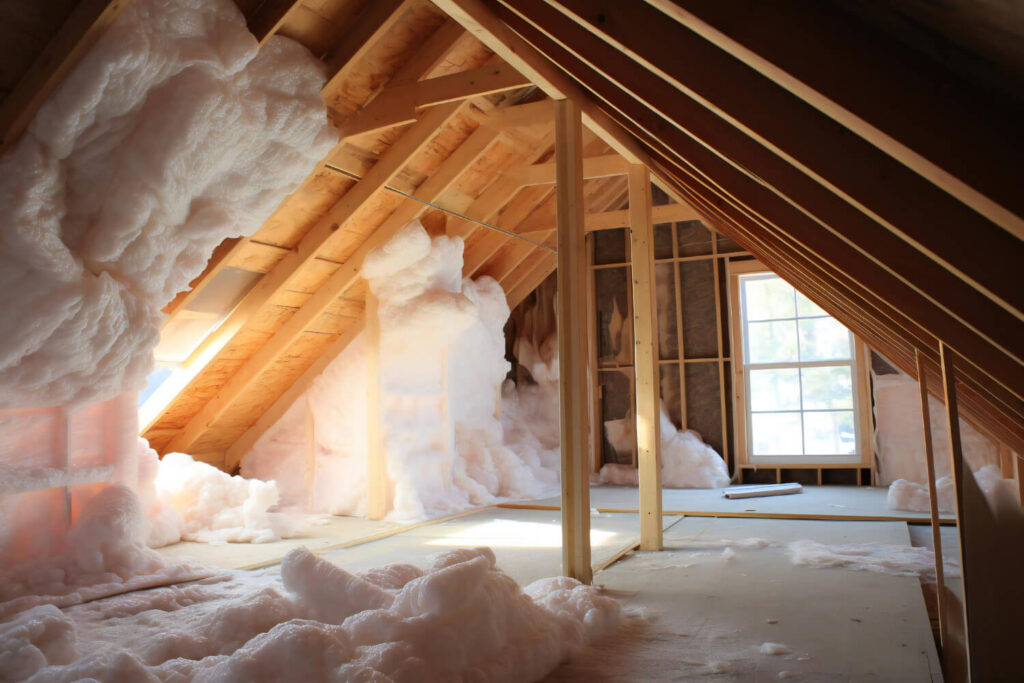
The biggest problem with fiberglass insulation is its potential to degrade indoor air quality and occupant health if not properly installed and sealed. The primary issue is that microscopic glass fibers can become airborne during installation or if the material is disturbed, such as during renovations or if air moves through leaky ducts in an attic. Inhalation of these fibers can cause skin, eye, and respiratory tract irritation. Furthermore, fiberglass batts can settle over time, creating gaps that reduce their thermal performance (R-value), and they are notoriously poor at blocking air infiltration if not paired with a comprehensive air sealing strategy. This can lead to significant energy loss, uncomfortable drafts, and increased strain on HVAC systems, ultimately raising utility costs.
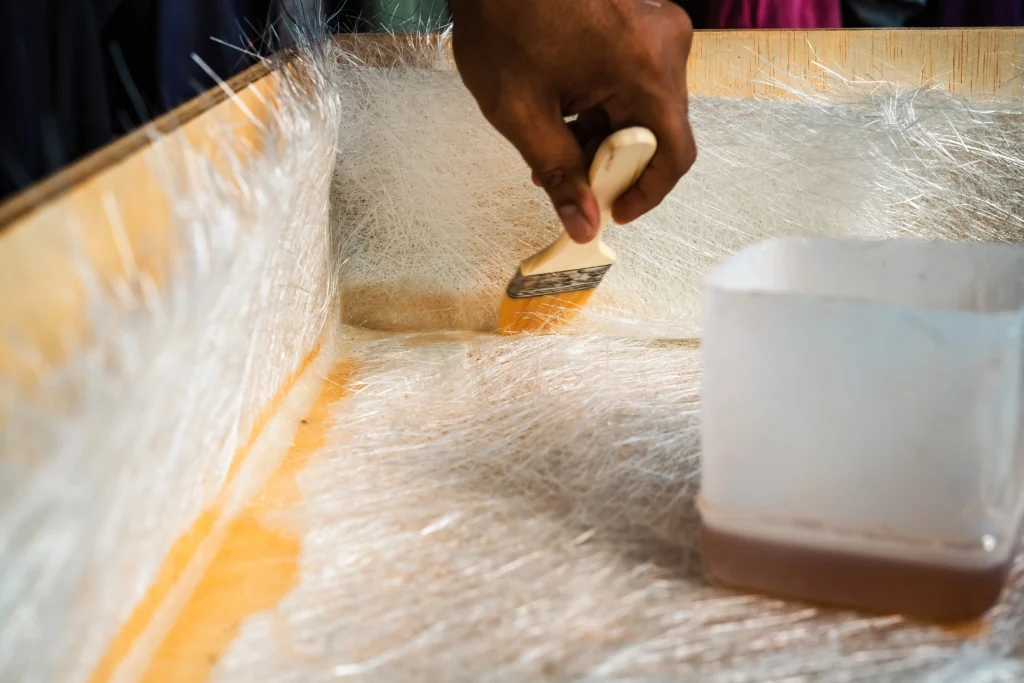
Yes, fiberglass remains one of the most common and widely used insulation materials in residential and commercial construction. It is valued for its cost-effectiveness, fire resistance, and thermal performance. Modern fiberglass insulation is typically made from fine glass fibers and is often installed in batts, rolls, or as loose-fill in attics and wall cavities. While alternative materials like cellulose, spray foam, and mineral wool have gained popularity for specific applications, fiberglass continues to be a standard choice due to its established track record and ease of installation. Proper handling is crucial, as it requires protective gear to avoid skin and respiratory irritation during installation.
The fiberglass insulation market has experienced fluctuations, but a widespread, persistent shortage is not typically the norm. Supply chain disruptions in recent years, including raw material constraints and transportation delays, have occasionally led to regional shortages and longer lead times. However, the industry is generally resilient. For homeowners, this means that while specific brands or R-values might be temporarily unavailable, alternatives usually exist. It is always advisable to plan projects in advance and consult with professional installers like Atticair who can assess material availability and recommend the best insulation solutions for your home's energy efficiency and air sealing needs, ensuring optimal performance regardless of market conditions.
The cost to insulate a 2000 sq ft house varies widely based on the insulation type, material, and labor. On average, you can expect to pay between $1,500 and $6,000 for a professional installation. Key factors include the chosen material—fiberglass batts are typically the most affordable, while spray foam is premium and more expensive—and which areas are being insulated (attic, walls, basement). Existing insulation condition and regional labor rates also significantly impact the final price. For an accurate estimate, it is essential to obtain a professional assessment from a qualified contractor who can evaluate your home's specific needs and recommend the most effective and energy-efficient solutions.
Fiberglass insulation is a popular choice for its cost-effectiveness and thermal performance. In the central northwest region, where temperatures can vary significantly, selecting the right R-value is crucial. For attics, R-38 to R-60 is often recommended, while walls may require R-13 to R-21. Look for products with proper certifications, like those from NAIMA (North American Insulation Manufacturers Association), ensuring they meet safety and performance standards. Proper installation is key—ensure it fits snugly without gaps or compression to maximize energy efficiency and prevent moisture issues. Consulting a local professional, like Atticair, can help determine the best specific product for your home's needs and climate challenges.
22 reviews