Houston, TX Air Duct Cleaning Service & Insulation | Atticair
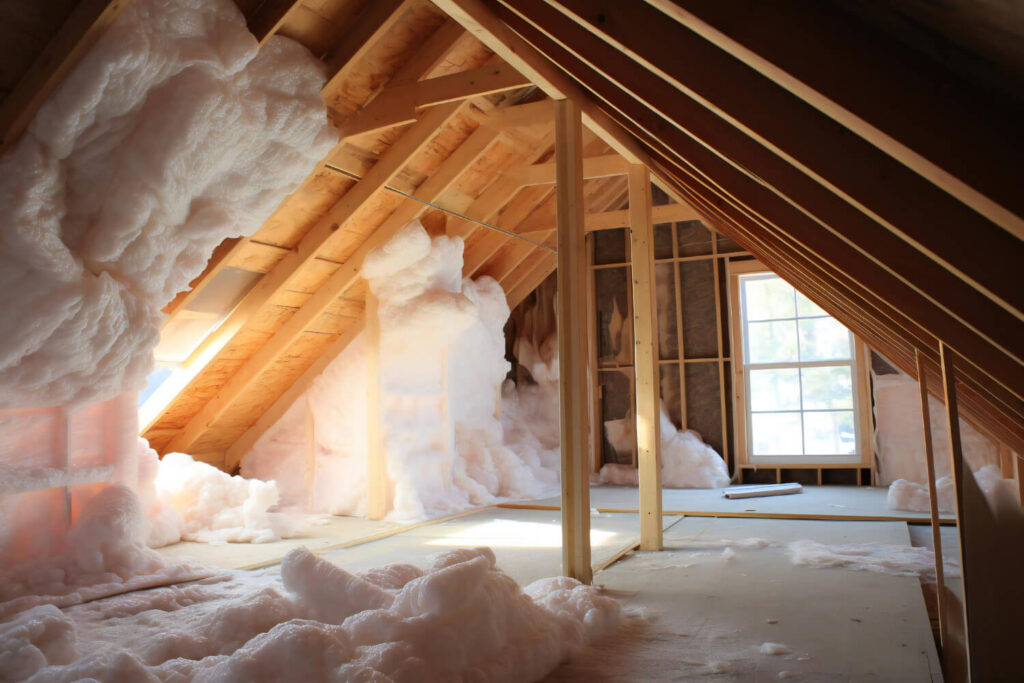
Cellulose insulation, while an eco-friendly and effective material, has several notable downsides. Its primary disadvantage is its susceptibility to moisture; cellulose can absorb water, leading to reduced insulating value, potential mold growth, and settling over time, which creates gaps. It also requires specialized installation with proper dense-packing techniques to be effective, and if not installed correctly, it can settle significantly. Furthermore, as a loose-fill material made primarily from recycled paper, it is treated with fire retardants like borates, but it can still be a dustier option during installation compared to fiberglass. For long-term performance in humid climates or areas prone to leaks, other insulation types might offer more durability and consistent R-value.
The recommended R-value for attic insulation in Houston, Texas, is typically between R-38 and R-60. This range is based on the U.S. Department of Energy's climate zone recommendations, where Houston falls into a hot-humid zone. Higher R-values provide better resistance to heat flow, which is crucial for keeping hot, humid air out in summer and retaining conditioned air inside, leading to significant energy savings. Proper attic insulation works in tandem with air sealing and a well-maintained ventilation system. For a deeper look at advanced insulation methods suitable for our climate, including their performance benefits, we recommend reading our internal article, Spray Foam Insulation.
Cellulose and rockwool are both effective insulation materials with distinct advantages. Cellulose, made from recycled paper, is often praised for its excellent air-sealing properties and environmental friendliness due to its high recycled content. It can be densely packed to reduce air infiltration. Rockwool, a mineral wool product, is known for superior fire resistance, sound dampening, and moisture resilience, as it does not absorb water easily. The choice depends on specific project needs: cellulose may be better for maximizing air sealing in attics or walls, while rockwool is often preferred for areas requiring fire safety, acoustic control, or where moisture is a concern. Professional assessment of your home's structure and local climate is recommended to determine the optimal material.
Mice do not hate cellulose insulation; in fact, they may find it an attractive nesting material. Cellulose insulation, typically made from recycled paper treated with fire retardants like borates, is not a rodent repellent. While borates can offer some mild deterrent properties against pests due to their bitter taste, they are not a guaranteed barrier. Mice can and will tunnel through cellulose to create nests, especially in attics and wall cavities. To truly deter rodents, it is essential to combine insulation with comprehensive exclusion techniques. This includes sealing all potential entry points with materials like steel wool or hardware cloth and maintaining overall attic and duct cleanliness to remove food sources and shelter opportunities.
Cellulose insulation is a popular choice for homes in Rosharon, Texas, due to its effective thermal performance and eco-friendly properties. Made primarily from recycled paper treated with fire retardants, it offers excellent resistance to heat flow, which is crucial for managing the region's hot and humid climate. Proper installation is key to maximizing its R-value and preventing issues like settling or moisture absorption, which can compromise efficiency. Homeowners should ensure it is installed by certified professionals who understand local building codes. Regular inspections are recommended to maintain its integrity, as cellulose can be susceptible to pest intrusion if not properly treated and sealed.
The cost of cellulose insulation in Rosharon, Texas, typically ranges from $1.50 to $3.50 per square foot installed, depending on the project's scope and specific conditions. This material is favored for its strong thermal performance and sound-dampening qualities. Key factors influencing the final price include the attic's square footage, the desired R-value (depth), existing insulation removal needs, and the accessibility of the work area. For an accurate estimate tailored to your home, it is essential to obtain a professional assessment. A certified technician can evaluate your attic's current state, recommend the proper R-value for our climate, and provide a detailed quote that covers all preparation and installation work.
20 reviews